

cyanuric chloride 34c in the yields of 8–19%. These target macrocycles 44–47 could
also be synthesized in higher total yields by a two-step fragment-coupling method.
With 1c or 43 as materials, the [1 + 2] products 48a–b and 49a–b were first
synthesized in high yields by the reaction of 2,7-diaminotriptycene with the
corresponding electrophilic reagents. Then, the [1 + 2] products further reacted
with 2,7-diaminotriptycenes 1c or 43 in CH 3 CN in the presence of DIPEA to afford
the macrocycles 44–47.
As shown in Scheme 10, we [30] synthesized a series of triptycene-derived
diazadioxacalixarenes 50a–c and 51a–c by a two-step S N Ar reaction of 2,7dihydroxytriptycene 1b or 2,7-diaminotriptycene 1c with proper electrophilic
reagents, such as cyanuric chloride, 1,5-difluoro-2,4-dinitrobenzene, and 2,6dichloropyridine-3,5-dicarbonitrile. When 2,7-dihydroxytriptycene 1b was reacted
with the electrophilic reagents in THF in the presence of DIPEA, the corresponding
[1 + 2] products could be obtained in high yields. The further macrocyclization
reaction between the [1 + 2] products and the corresponding electrophilic reagents
gave the target triptycene-derived diazadioxacalixarenes 50a–c and 51a–c in moderate yields.
N
N
O
O
OH
HO
Cs 2 CO 3
DMSO, 100°C
37b
DIPEA, acetone
paraquat
38a R = Cl
N
N
O
O
O
O
N
N
N
R
aniline
acetone, K 2 CO 3
reflux, 78%
38b R = NHC 6 H 5
1b
34c
34d
+
82%
35%
N
+
N
Cl
Cl
OH
OH
O
O
O
O
O
O
O
O
35d (37%)
35d (9%)
N
N
1b
34d
Cs 2 CO 3
1,4-dioxane, reflux
(a)
N
+
N
Cl
Cl
OH
OH
35d (17%) +
1b
34d
Cs 2 CO 3
DMSO, 105 °C
(b)
N
N
N
N
N
N
(c)
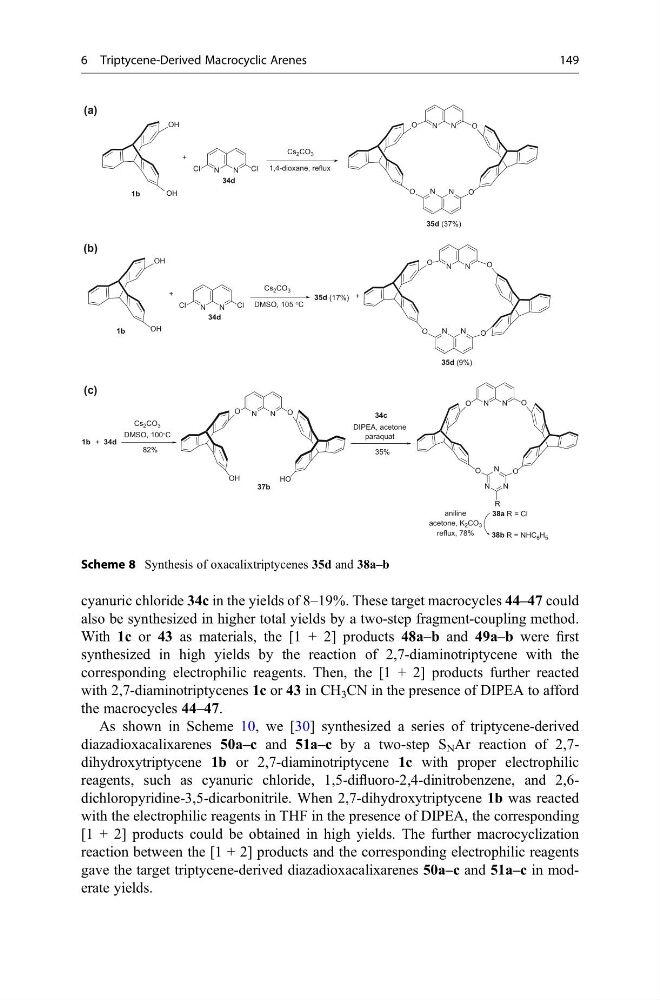
Scheme 8 Synthesis of oxacalixtriptycenes 35d and 38a–b
6 Triptycene-Derived Macrocyclic Arenes
149
also be synthesized in higher total yields by a two-step fragment-coupling method.
With 1c or 43 as materials, the [1 + 2] products 48a–b and 49a–b were first
synthesized in high yields by the reaction of 2,7-diaminotriptycene with the
corresponding electrophilic reagents. Then, the [1 + 2] products further reacted
with 2,7-diaminotriptycenes 1c or 43 in CH 3 CN in the presence of DIPEA to afford
the macrocycles 44–47.
As shown in Scheme 10, we [30] synthesized a series of triptycene-derived
diazadioxacalixarenes 50a–c and 51a–c by a two-step S N Ar reaction of 2,7dihydroxytriptycene 1b or 2,7-diaminotriptycene 1c with proper electrophilic
reagents, such as cyanuric chloride, 1,5-difluoro-2,4-dinitrobenzene, and 2,6dichloropyridine-3,5-dicarbonitrile. When 2,7-dihydroxytriptycene 1b was reacted
with the electrophilic reagents in THF in the presence of DIPEA, the corresponding
[1 + 2] products could be obtained in high yields. The further macrocyclization
reaction between the [1 + 2] products and the corresponding electrophilic reagents
gave the target triptycene-derived diazadioxacalixarenes 50a–c and 51a–c in moderate yields.
N
N
O
O
OH
HO
Cs 2 CO 3
DMSO, 100°C
37b
DIPEA, acetone
paraquat
38a R = Cl
N
N
O
O
O
O
N
N
N
R
aniline
acetone, K 2 CO 3
reflux, 78%
38b R = NHC 6 H 5
1b
34c
34d
+
82%
35%
N
+
N
Cl
Cl
OH
OH
O
O
O
O
O
O
O
O
35d (37%)
35d (9%)
N
N
1b
34d
Cs 2 CO 3
1,4-dioxane, reflux
(a)
N
+
N
Cl
Cl
OH
OH
35d (17%) +
1b
34d
Cs 2 CO 3
DMSO, 105 °C
(b)
N
N
N
N
N
N
(c)
Scheme 8 Synthesis of oxacalixtriptycenes 35d and 38a–b
6 Triptycene-Derived Macrocyclic Arenes
149