

514
higher percentage of female adopters in Dowa may have been influenced by a high
concentration of NGO projects that promote female lead farmers, resulting in more
female lead farmers in Dowa than in Nkhotakota and Phalombe. In some cases,
more female farmers adopted CSA technologies than their male counterparts.
Although most of the sampled women farmers are in patrilineal marriage system in
Dowa, their adoption of CSA technologies does not seem to be constrained by their
limited user rights to land. This implies that access to other resources for production, such as agricultural inputs and extension services, is also essential in the adoption of CSA technologies.
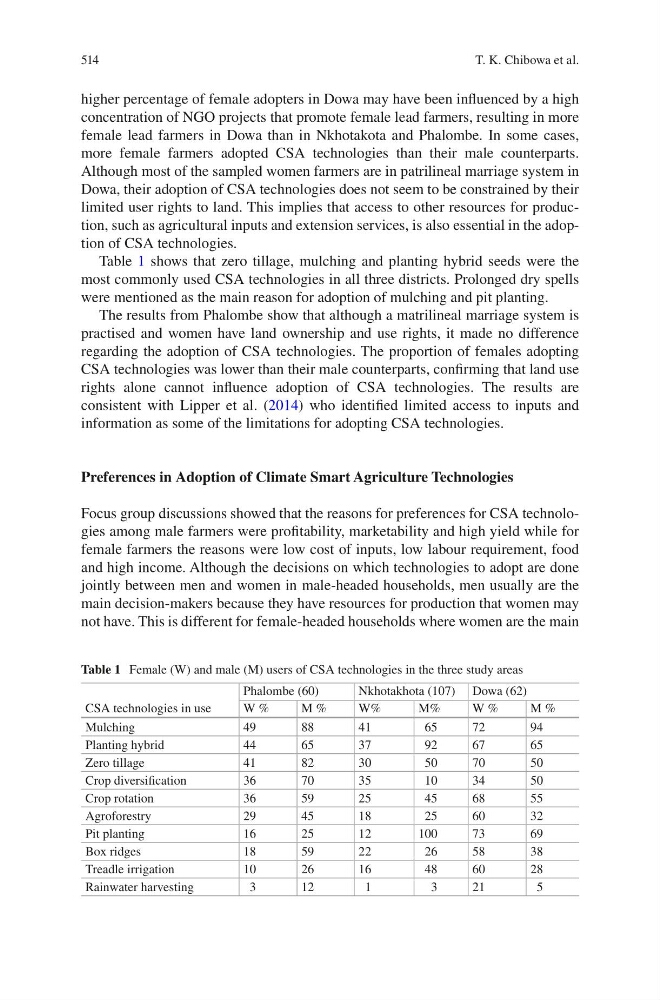
Table 1 shows that zero tillage, mulching and planting hybrid seeds were the
most commonly used CSA technologies in all three districts. Prolonged dry spells
were mentioned as the main reason for adoption of mulching and pit planting.
The results from Phalombe show that although a matrilineal marriage system is
practised and women have land ownership and use rights, it made no difference
regarding the adoption of CSA technologies. The proportion of females adopting
CSA technologies was lower than their male counterparts, confirming that land use
rights alone cannot influence adoption of CSA technologies. The results are
consistent with Lipper et al. (2014) who identified limited access to inputs and
information as some of the limitations for adopting CSA technologies.
Preferences in Adoption of Climate Smart Agriculture Technologies
Focus group discussions showed that the reasons for preferences for CSA technologies among male farmers were profitability, marketability and high yield while for
female farmers the reasons were low cost of inputs, low labour requirement, food
and high income. Although the decisions on which technologies to adopt are done
jointly between men and women in male-headed households, men usually are the
main decision-makers because they have resources for production that women may
not have. This is different for female-headed households where women are the main
Table 1 Female (W) and male (M) users of CSA technologies in the three study areas
CSA technologies in use
Phalombe (60)
Nkhotakhota (107) Dowa (62)
W %
M %
W%
M%
W %
M %
Mulching
49
88
41
65
72
94
Planting hybrid
44
65
37
92
67
65
Zero tillage
41
82
30
50
70
50
Crop diversification
36
70
35
10
34
50
Crop rotation
36
59
25
45
68
55
Agroforestry
29
45
18
25
60
32
Pit planting
16
25
12
100
73
69
Box ridges
18
59
22
26
58
38
Treadle irrigation
10
26
16
48
60
28
Rainwater harvesting
3
12
1
3
21
5
T. K. Chibowa et al.
higher percentage of female adopters in Dowa may have been influenced by a high
concentration of NGO projects that promote female lead farmers, resulting in more
female lead farmers in Dowa than in Nkhotakota and Phalombe. In some cases,
more female farmers adopted CSA technologies than their male counterparts.
Although most of the sampled women farmers are in patrilineal marriage system in
Dowa, their adoption of CSA technologies does not seem to be constrained by their
limited user rights to land. This implies that access to other resources for production, such as agricultural inputs and extension services, is also essential in the adoption of CSA technologies.
Table 1 shows that zero tillage, mulching and planting hybrid seeds were the
most commonly used CSA technologies in all three districts. Prolonged dry spells
were mentioned as the main reason for adoption of mulching and pit planting.
The results from Phalombe show that although a matrilineal marriage system is
practised and women have land ownership and use rights, it made no difference
regarding the adoption of CSA technologies. The proportion of females adopting
CSA technologies was lower than their male counterparts, confirming that land use
rights alone cannot influence adoption of CSA technologies. The results are
consistent with Lipper et al. (2014) who identified limited access to inputs and
information as some of the limitations for adopting CSA technologies.
Preferences in Adoption of Climate Smart Agriculture Technologies
Focus group discussions showed that the reasons for preferences for CSA technologies among male farmers were profitability, marketability and high yield while for
female farmers the reasons were low cost of inputs, low labour requirement, food
and high income. Although the decisions on which technologies to adopt are done
jointly between men and women in male-headed households, men usually are the
main decision-makers because they have resources for production that women may
not have. This is different for female-headed households where women are the main
Table 1 Female (W) and male (M) users of CSA technologies in the three study areas
CSA technologies in use
Phalombe (60)
Nkhotakhota (107) Dowa (62)
W %
M %
W%
M%
W %
M %
Mulching
49
88
41
65
72
94
Planting hybrid
44
65
37
92
67
65
Zero tillage
41
82
30
50
70
50
Crop diversification
36
70
35
10
34
50
Crop rotation
36
59
25
45
68
55
Agroforestry
29
45
18
25
60
32
Pit planting
16
25
12
100
73
69
Box ridges
18
59
22
26
58
38
Treadle irrigation
10
26
16
48
60
28
Rainwater harvesting
3
12
1
3
21
5
T. K. Chibowa et al.