

106
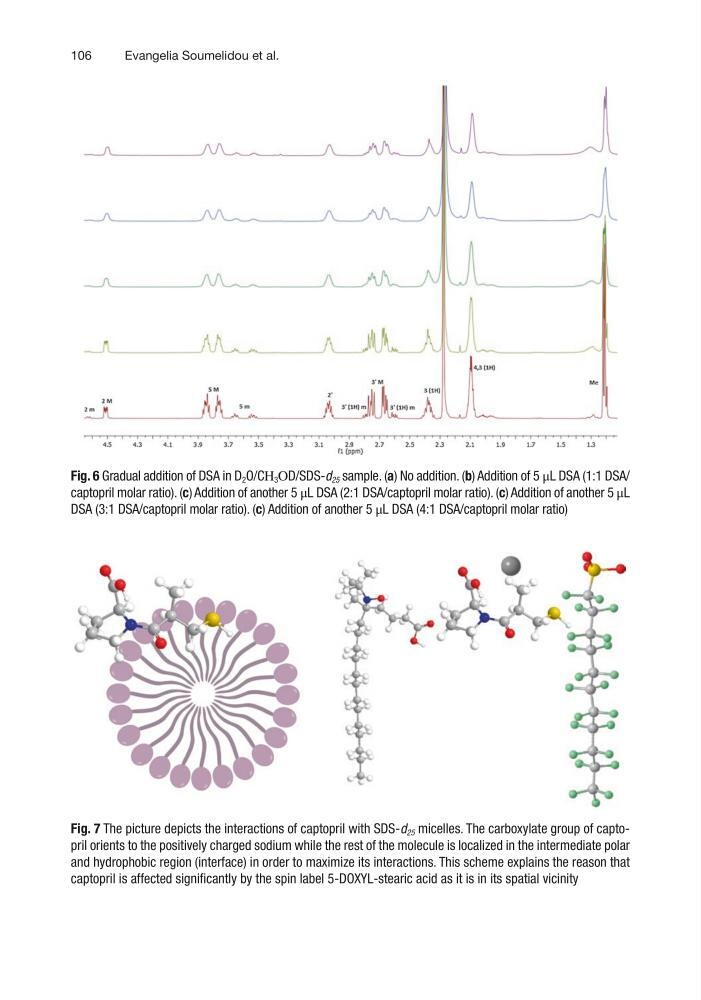
Fig. 6 Gradual addition of DSA in D 2 O/CΗ 3 ΟD/SDS-d 25 sample. (a) No addition. (b) Addition of 5 μL DSA (1:1 DSA/
captopril molar ratio). (c) Addition of another 5 μL DSA (2:1 DSA/captopril molar ratio). (c) Addition of another 5 μL
DSA (3:1 DSA/captopril molar ratio). (c) Addition of another 5 μL DSA (4:1 DSA/captopril molar ratio)
Fig. 7 The picture depicts the interactions of captopril with SDS-d 25 micelles. The carboxylate group of captopril orients to the positively charged sodium while the rest of the molecule is localized in the intermediate polar
and hydrophobic region (interface) in order to maximize its interactions. This scheme explains the reason that
captopril is affected significantly by the spin label 5-DOXYL-stearic acid as it is in its spatial vicinity
Evangelia Soumelidou et al.
Fig. 6 Gradual addition of DSA in D 2 O/CΗ 3 ΟD/SDS-d 25 sample. (a) No addition. (b) Addition of 5 μL DSA (1:1 DSA/
captopril molar ratio). (c) Addition of another 5 μL DSA (2:1 DSA/captopril molar ratio). (c) Addition of another 5 μL
DSA (3:1 DSA/captopril molar ratio). (c) Addition of another 5 μL DSA (4:1 DSA/captopril molar ratio)
Fig. 7 The picture depicts the interactions of captopril with SDS-d 25 micelles. The carboxylate group of captopril orients to the positively charged sodium while the rest of the molecule is localized in the intermediate polar
and hydrophobic region (interface) in order to maximize its interactions. This scheme explains the reason that
captopril is affected significantly by the spin label 5-DOXYL-stearic acid as it is in its spatial vicinity
Evangelia Soumelidou et al.