

542
T. F. Ng et al.
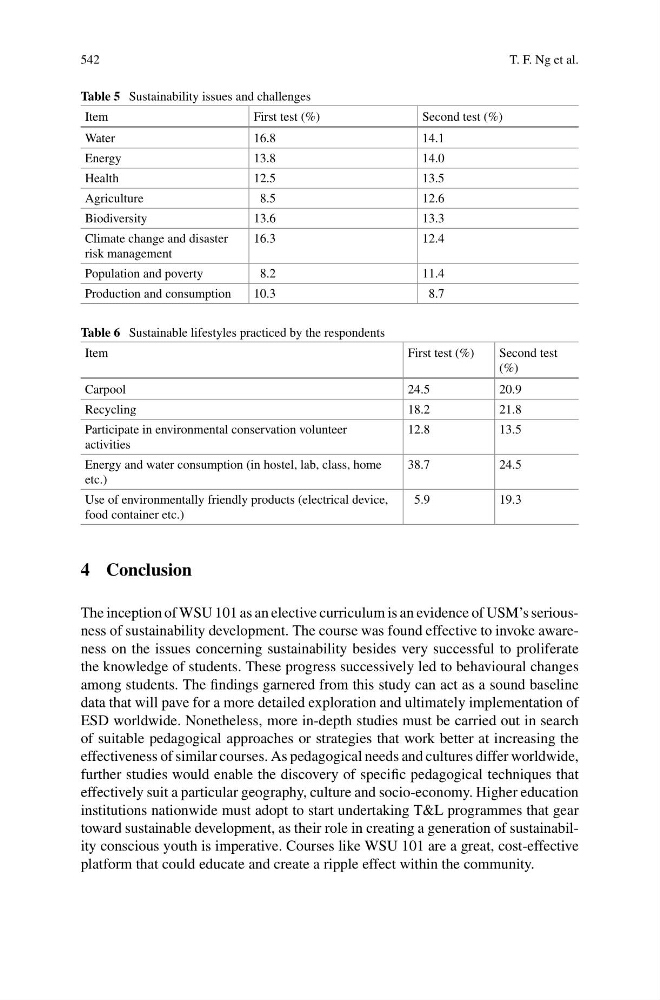
Table 5 Sustainability issues and challenges
Item
First test (%)
Second test (%)
Water
16.8
14.1
Energy
13.8
14.0
Health
12.5
13.5
Agriculture
8.5
12.6
Biodiversity
13.6
13.3
Climate change and disaster
risk management
16.3
12.4
Population and poverty
8.2
11.4
Production and consumption
10.3
8.7
Table 6 Sustainable lifestyles practiced by the respondents
Item
First test (%)
Second test
(%)
Carpool
24.5
20.9
Recycling
18.2
21.8
Participate in environmental conservation volunteer
activities
12.8
13.5
Energy and water consumption (in hostel, lab, class, home
etc.)
38.7
24.5
Use of environmentally friendly products (electrical device,
food container etc.)
5.9
19.3
4 Conclusion
The inception of WSU 101 as an elective curriculum is an evidence of USM’s seriousness of sustainability development. The course was found effective to invoke awareness on the issues concerning sustainability besides very successful to proliferate
the knowledge of students. These progress successively led to behavioural changes
among students. The findings garnered from this study can act as a sound baseline
data that will pave for a more detailed exploration and ultimately implementation of
ESD worldwide. Nonetheless, more in-depth studies must be carried out in search
of suitable pedagogical approaches or strategies that work better at increasing the
effectiveness of similar courses. As pedagogical needs and cultures differ worldwide,
further studies would enable the discovery of specific pedagogical techniques that
effectively suit a particular geography, culture and socio-economy. Higher education
institutions nationwide must adopt to start undertaking T&L programmes that gear
toward sustainable development, as their role in creating a generation of sustainability conscious youth is imperative. Courses like WSU 101 are a great, cost-effective
platform that could educate and create a ripple effect within the community.
T. F. Ng et al.
Table 5 Sustainability issues and challenges
Item
First test (%)
Second test (%)
Water
16.8
14.1
Energy
13.8
14.0
Health
12.5
13.5
Agriculture
8.5
12.6
Biodiversity
13.6
13.3
Climate change and disaster
risk management
16.3
12.4
Population and poverty
8.2
11.4
Production and consumption
10.3
8.7
Table 6 Sustainable lifestyles practiced by the respondents
Item
First test (%)
Second test
(%)
Carpool
24.5
20.9
Recycling
18.2
21.8
Participate in environmental conservation volunteer
activities
12.8
13.5
Energy and water consumption (in hostel, lab, class, home
etc.)
38.7
24.5
Use of environmentally friendly products (electrical device,
food container etc.)
5.9
19.3
4 Conclusion
The inception of WSU 101 as an elective curriculum is an evidence of USM’s seriousness of sustainability development. The course was found effective to invoke awareness on the issues concerning sustainability besides very successful to proliferate
the knowledge of students. These progress successively led to behavioural changes
among students. The findings garnered from this study can act as a sound baseline
data that will pave for a more detailed exploration and ultimately implementation of
ESD worldwide. Nonetheless, more in-depth studies must be carried out in search
of suitable pedagogical approaches or strategies that work better at increasing the
effectiveness of similar courses. As pedagogical needs and cultures differ worldwide,
further studies would enable the discovery of specific pedagogical techniques that
effectively suit a particular geography, culture and socio-economy. Higher education
institutions nationwide must adopt to start undertaking T&L programmes that gear
toward sustainable development, as their role in creating a generation of sustainability conscious youth is imperative. Courses like WSU 101 are a great, cost-effective
platform that could educate and create a ripple effect within the community.