

110
K. S. Konidena and T. Timblo
expertise by the State level Agency (Consortium of 13 agencies) with support from
SCIMMU and the Municipal Administration Department.
• Schedule TOTs: Training of Trainers (TOT) sessions were conducted for the
above-mentioned Trainer categories. Identified trainers delivered series of training
sessions to pool of experts. Trainers were assessed on subject knowledge and
training deliveries and were rated based on their performance. Seventeen ToT
sessions have been conducted so far targeting close to 100 trainers.
• e-Learning through the Learning Management System (LMS): Before elearning began, employee data of all ULBs was uploaded onto the LMS, with the
help of dedicated coordinators from Regional agencies, under Director, Municipal
Administration’s approval. Once enrolled all the officials were provided with their
credentials for logging into the LMS via email and SMS. The dedicated coordinators were also required to complete e-learning before they could handhold the
Municipal officials on completing their e-learning.
Box 2: Learning Management System (LMS)
ALearning Management System (LMS) based on the Moodle Platform has
been used as the ICT anchor for the Capacity Building Programme. LMS
helps in
• Creating and maintaining a database of all the users—the Municipal Officials
as well as the trainers who are part of the programme.
• Hosting all the content prepared for the programme and making the content
accessible based on the roles.
• Scheduling sessions for focus groups and sending out notifications to the
users via email and SMS with respect to schedules.
• Generation of reports in various formats to appraise the officials of the status
of the Capacity Building Programme.
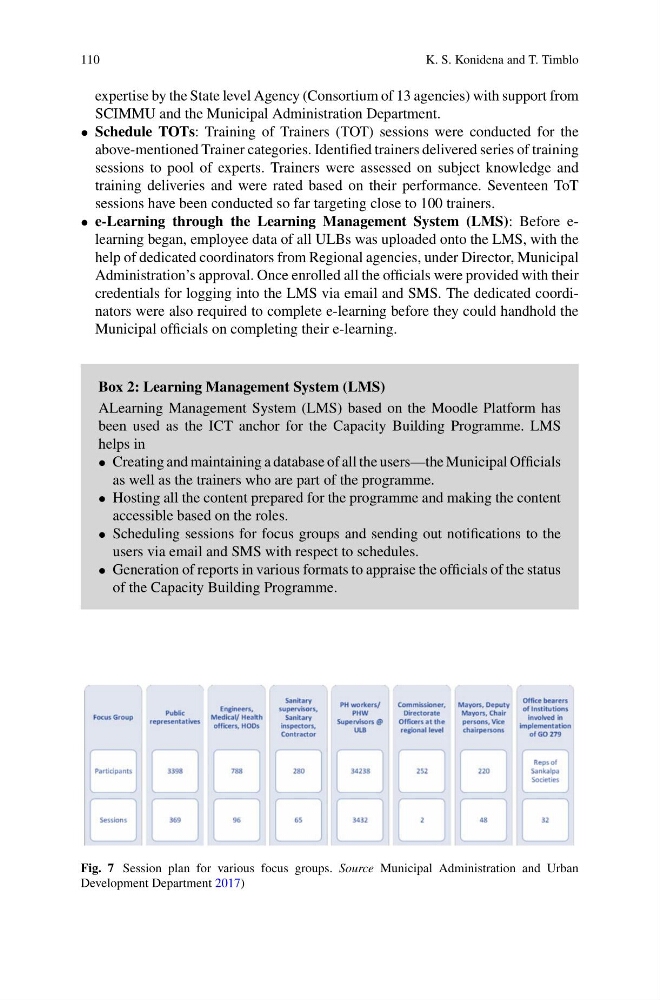
Fig. 7 Session plan for various focus groups. Source Municipal Administration and Urban
Development Department 2017)
K. S. Konidena and T. Timblo
expertise by the State level Agency (Consortium of 13 agencies) with support from
SCIMMU and the Municipal Administration Department.
• Schedule TOTs: Training of Trainers (TOT) sessions were conducted for the
above-mentioned Trainer categories. Identified trainers delivered series of training
sessions to pool of experts. Trainers were assessed on subject knowledge and
training deliveries and were rated based on their performance. Seventeen ToT
sessions have been conducted so far targeting close to 100 trainers.
• e-Learning through the Learning Management System (LMS): Before elearning began, employee data of all ULBs was uploaded onto the LMS, with the
help of dedicated coordinators from Regional agencies, under Director, Municipal
Administration’s approval. Once enrolled all the officials were provided with their
credentials for logging into the LMS via email and SMS. The dedicated coordinators were also required to complete e-learning before they could handhold the
Municipal officials on completing their e-learning.
Box 2: Learning Management System (LMS)
ALearning Management System (LMS) based on the Moodle Platform has
been used as the ICT anchor for the Capacity Building Programme. LMS
helps in
• Creating and maintaining a database of all the users—the Municipal Officials
as well as the trainers who are part of the programme.
• Hosting all the content prepared for the programme and making the content
accessible based on the roles.
• Scheduling sessions for focus groups and sending out notifications to the
users via email and SMS with respect to schedules.
• Generation of reports in various formats to appraise the officials of the status
of the Capacity Building Programme.
Fig. 7 Session plan for various focus groups. Source Municipal Administration and Urban
Development Department 2017)