

Design of Capacity Building Strategy for Municipal Solid …
109
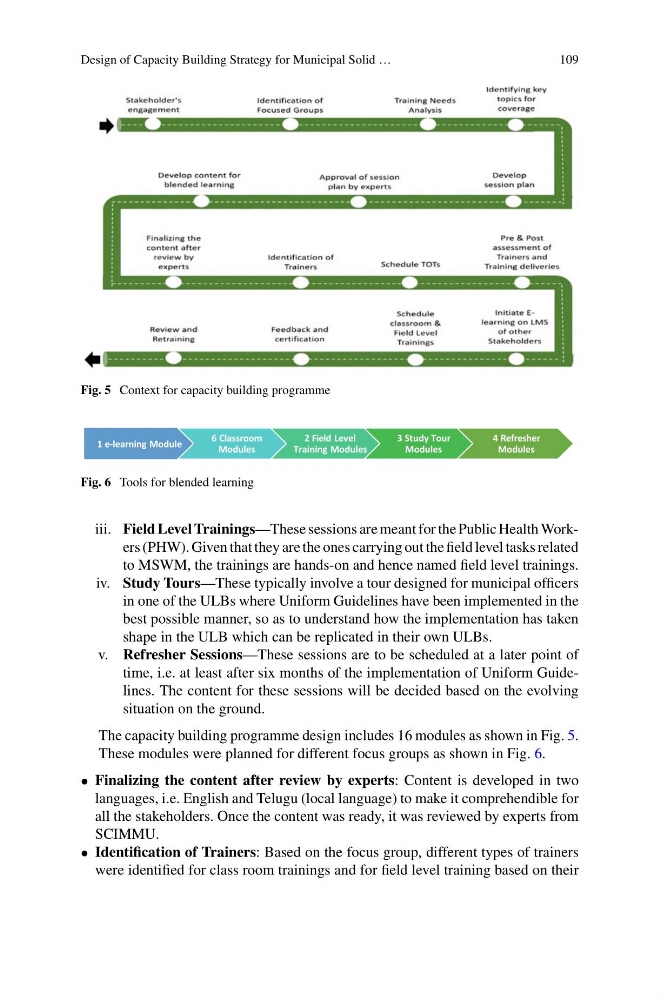
Fig. 5 Context for capacity building programme
1 e-learning Module
6 Classroom
Modules
2 Field Level
Training Modules
3 Study Tour
Modules
4 Refresher
Modules
Fig. 6 Tools for blended learning
iii. Field Level Trainings—These sessions are meant for the Public Health Workers (PHW). Given that they are the ones carrying out the field level tasks related
to MSWM, the trainings are hands-on and hence named field level trainings.
iv. Study Tours—These typically involve a tour designed for municipal officers
in one of the ULBs where Uniform Guidelines have been implemented in the
best possible manner, so as to understand how the implementation has taken
shape in the ULB which can be replicated in their own ULBs.
v. Refresher Sessions—These sessions are to be scheduled at a later point of
time, i.e. at least after six months of the implementation of Uniform Guidelines. The content for these sessions will be decided based on the evolving
situation on the ground.
The capacity building programme design includes 16 modules as shown in Fig. 5.
These modules were planned for different focus groups as shown in Fig. 6.
• Finalizing the content after review by experts: Content is developed in two
languages, i.e. English and Telugu (local language) to make it comprehendible for
all the stakeholders. Once the content was ready, it was reviewed by experts from
SCIMMU.
• Identification of Trainers: Based on the focus group, different types of trainers
were identified for class room trainings and for field level training based on their
109
Fig. 5 Context for capacity building programme
1 e-learning Module
6 Classroom
Modules
2 Field Level
Training Modules
3 Study Tour
Modules
4 Refresher
Modules
Fig. 6 Tools for blended learning
iii. Field Level Trainings—These sessions are meant for the Public Health Workers (PHW). Given that they are the ones carrying out the field level tasks related
to MSWM, the trainings are hands-on and hence named field level trainings.
iv. Study Tours—These typically involve a tour designed for municipal officers
in one of the ULBs where Uniform Guidelines have been implemented in the
best possible manner, so as to understand how the implementation has taken
shape in the ULB which can be replicated in their own ULBs.
v. Refresher Sessions—These sessions are to be scheduled at a later point of
time, i.e. at least after six months of the implementation of Uniform Guidelines. The content for these sessions will be decided based on the evolving
situation on the ground.
The capacity building programme design includes 16 modules as shown in Fig. 5.
These modules were planned for different focus groups as shown in Fig. 6.
• Finalizing the content after review by experts: Content is developed in two
languages, i.e. English and Telugu (local language) to make it comprehendible for
all the stakeholders. Once the content was ready, it was reviewed by experts from
SCIMMU.
• Identification of Trainers: Based on the focus group, different types of trainers
were identified for class room trainings and for field level training based on their