

17 Carotenoids as Food Additives
427
COOH
COOH
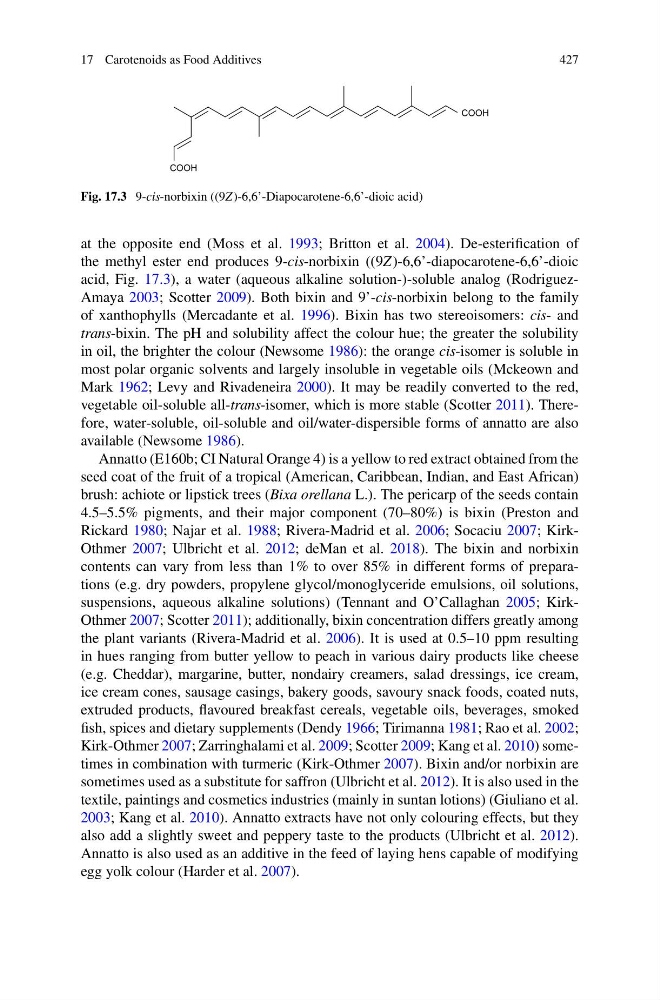
Fig. 17.3 9-cis-norbixin ((9Z)-6,6’-Diapocarotene-6,6’-dioic acid)
at the opposite end (Moss et al. 1993; Britton et al. 2004). De-esterification of
the methyl ester end produces 9-cis-norbixin ((9Z)-6,6’-diapocarotene-6,6’-dioic
acid, Fig. 17.3), a water (aqueous alkaline solution-)-soluble analog (RodriguezAmaya 2003; Scotter 2009). Both bixin and 9’-cis-norbixin belong to the family
of xanthophylls (Mercadante et al. 1996). Bixin has two stereoisomers: cis- and
trans-bixin. The pH and solubility affect the colour hue; the greater the solubility
in oil, the brighter the colour (Newsome 1986): the orange cis-isomer is soluble in
most polar organic solvents and largely insoluble in vegetable oils (Mckeown and
Mark 1962; Levy and Rivadeneira 2000). It may be readily converted to the red,
vegetable oil-soluble all-trans-isomer, which is more stable (Scotter 2011). Therefore, water-soluble, oil-soluble and oil/water-dispersible forms of annatto are also
available (Newsome 1986).
Annatto (E160b; CI Natural Orange 4) is a yellow to red extract obtained from the
seed coat of the fruit of a tropical (American, Caribbean, Indian, and East African)
brush: achiote or lipstick trees (Bixa orellana L.). The pericarp of the seeds contain
4.5–5.5% pigments, and their major component (70–80%) is bixin (Preston and
Rickard 1980; Najar et al. 1988; Rivera-Madrid et al. 2006; Socaciu 2007; KirkOthmer 2007; Ulbricht et al. 2012; deMan et al. 2018). The bixin and norbixin
contents can vary from less than 1% to over 85% in different forms of preparations (e.g. dry powders, propylene glycol/monoglyceride emulsions, oil solutions,
suspensions, aqueous alkaline solutions) (Tennant and O’Callaghan 2005; KirkOthmer 2007; Scotter 2011); additionally, bixin concentration differs greatly among
the plant variants (Rivera-Madrid et al. 2006). It is used at 0.5–10 ppm resulting
in hues ranging from butter yellow to peach in various dairy products like cheese
(e.g. Cheddar), margarine, butter, nondairy creamers, salad dressings, ice cream,
ice cream cones, sausage casings, bakery goods, savoury snack foods, coated nuts,
extruded products, flavoured breakfast cereals, vegetable oils, beverages, smoked
fish, spices and dietary supplements (Dendy 1966; Tirimanna 1981; Rao et al. 2002;
Kirk-Othmer 2007; Zarringhalami et al. 2009; Scotter 2009; Kang et al. 2010) sometimes in combination with turmeric (Kirk-Othmer 2007). Bixin and/or norbixin are
sometimes used as a substitute for saffron (Ulbricht et al. 2012). It is also used in the
textile, paintings and cosmetics industries (mainly in suntan lotions) (Giuliano et al.
2003; Kang et al. 2010). Annatto extracts have not only colouring effects, but they
also add a slightly sweet and peppery taste to the products (Ulbricht et al. 2012).
Annatto is also used as an additive in the feed of laying hens capable of modifying
egg yolk colour (Harder et al. 2007).
427
COOH
COOH
Fig. 17.3 9-cis-norbixin ((9Z)-6,6’-Diapocarotene-6,6’-dioic acid)
at the opposite end (Moss et al. 1993; Britton et al. 2004). De-esterification of
the methyl ester end produces 9-cis-norbixin ((9Z)-6,6’-diapocarotene-6,6’-dioic
acid, Fig. 17.3), a water (aqueous alkaline solution-)-soluble analog (RodriguezAmaya 2003; Scotter 2009). Both bixin and 9’-cis-norbixin belong to the family
of xanthophylls (Mercadante et al. 1996). Bixin has two stereoisomers: cis- and
trans-bixin. The pH and solubility affect the colour hue; the greater the solubility
in oil, the brighter the colour (Newsome 1986): the orange cis-isomer is soluble in
most polar organic solvents and largely insoluble in vegetable oils (Mckeown and
Mark 1962; Levy and Rivadeneira 2000). It may be readily converted to the red,
vegetable oil-soluble all-trans-isomer, which is more stable (Scotter 2011). Therefore, water-soluble, oil-soluble and oil/water-dispersible forms of annatto are also
available (Newsome 1986).
Annatto (E160b; CI Natural Orange 4) is a yellow to red extract obtained from the
seed coat of the fruit of a tropical (American, Caribbean, Indian, and East African)
brush: achiote or lipstick trees (Bixa orellana L.). The pericarp of the seeds contain
4.5–5.5% pigments, and their major component (70–80%) is bixin (Preston and
Rickard 1980; Najar et al. 1988; Rivera-Madrid et al. 2006; Socaciu 2007; KirkOthmer 2007; Ulbricht et al. 2012; deMan et al. 2018). The bixin and norbixin
contents can vary from less than 1% to over 85% in different forms of preparations (e.g. dry powders, propylene glycol/monoglyceride emulsions, oil solutions,
suspensions, aqueous alkaline solutions) (Tennant and O’Callaghan 2005; KirkOthmer 2007; Scotter 2011); additionally, bixin concentration differs greatly among
the plant variants (Rivera-Madrid et al. 2006). It is used at 0.5–10 ppm resulting
in hues ranging from butter yellow to peach in various dairy products like cheese
(e.g. Cheddar), margarine, butter, nondairy creamers, salad dressings, ice cream,
ice cream cones, sausage casings, bakery goods, savoury snack foods, coated nuts,
extruded products, flavoured breakfast cereals, vegetable oils, beverages, smoked
fish, spices and dietary supplements (Dendy 1966; Tirimanna 1981; Rao et al. 2002;
Kirk-Othmer 2007; Zarringhalami et al. 2009; Scotter 2009; Kang et al. 2010) sometimes in combination with turmeric (Kirk-Othmer 2007). Bixin and/or norbixin are
sometimes used as a substitute for saffron (Ulbricht et al. 2012). It is also used in the
textile, paintings and cosmetics industries (mainly in suntan lotions) (Giuliano et al.
2003; Kang et al. 2010). Annatto extracts have not only colouring effects, but they
also add a slightly sweet and peppery taste to the products (Ulbricht et al. 2012).
Annatto is also used as an additive in the feed of laying hens capable of modifying
egg yolk colour (Harder et al. 2007).