

350
I. Cano and P. W. N. M. van Leeuwen
H
H O
C CH 3
C
C
H
H
H
H O
C CH 3
C
C
H
H
OH
H
C CH 3
C
C
H
H
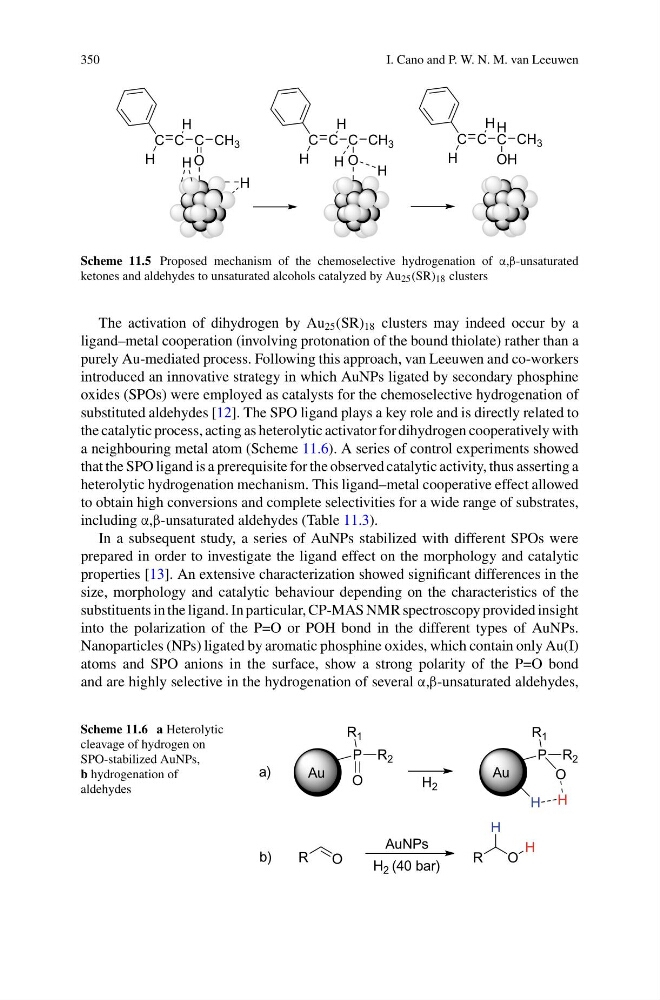
Scheme 11.5 Proposed mechanism of the chemoselective hydrogenation of α,β-unsaturated
ketones and aldehydes to unsaturated alcohols catalyzed by Au 25 (SR) 18 clusters
The activation of dihydrogen by Au 25 (SR) 18 clusters may indeed occur by a
ligand–metal cooperation (involving protonation of the bound thiolate) rather than a
purely Au-mediated process. Following this approach, van Leeuwen and co-workers
introduced an innovative strategy in which AuNPs ligated by secondary phosphine
oxides (SPOs) were employed as catalysts for the chemoselective hydrogenation of
substituted aldehydes [12]. The SPO ligand plays a key role and is directly related to
the catalytic process, acting as heterolytic activator for dihydrogen cooperatively with
a neighbouring metal atom (Scheme 11.6). A series of control experiments showed
that the SPO ligand is a prerequisite for the observed catalytic activity, thus asserting a
heterolytic hydrogenation mechanism. This ligand–metal cooperative effect allowed
to obtain high conversions and complete selectivities for a wide range of substrates,
including α,β-unsaturated aldehydes (Table 11.3).
In a subsequent study, a series of AuNPs stabilized with different SPOs were
prepared in order to investigate the ligand effect on the morphology and catalytic
properties [13]. An extensive characterization showed significant differences in the
size, morphology and catalytic behaviour depending on the characteristics of the
substituents in the ligand. In particular, CP-MAS NMR spectroscopy provided insight
into the polarization of the P=O or POH bond in the different types of AuNPs.
Nanoparticles (NPs) ligated by aromatic phosphine oxides, which contain only Au(I)
atoms and SPO anions in the surface, show a strong polarity of the P=O bond
and are highly selective in the hydrogenation of several α,β-unsaturated aldehydes,
Scheme 11.6 a Heterolytic
cleavage of hydrogen on
SPO-stabilized AuNPs,
b hydrogenation of
aldehydes
Au
P R 2
R 1
O
P R 2
R 1
H
O
H
H 2
Au
a)
R
O
AuNPs
H 2 (40 bar)
R
O
H
H
b)
I. Cano and P. W. N. M. van Leeuwen
H
H O
C CH 3
C
C
H
H
H
H O
C CH 3
C
C
H
H
OH
H
C CH 3
C
C
H
H
Scheme 11.5 Proposed mechanism of the chemoselective hydrogenation of α,β-unsaturated
ketones and aldehydes to unsaturated alcohols catalyzed by Au 25 (SR) 18 clusters
The activation of dihydrogen by Au 25 (SR) 18 clusters may indeed occur by a
ligand–metal cooperation (involving protonation of the bound thiolate) rather than a
purely Au-mediated process. Following this approach, van Leeuwen and co-workers
introduced an innovative strategy in which AuNPs ligated by secondary phosphine
oxides (SPOs) were employed as catalysts for the chemoselective hydrogenation of
substituted aldehydes [12]. The SPO ligand plays a key role and is directly related to
the catalytic process, acting as heterolytic activator for dihydrogen cooperatively with
a neighbouring metal atom (Scheme 11.6). A series of control experiments showed
that the SPO ligand is a prerequisite for the observed catalytic activity, thus asserting a
heterolytic hydrogenation mechanism. This ligand–metal cooperative effect allowed
to obtain high conversions and complete selectivities for a wide range of substrates,
including α,β-unsaturated aldehydes (Table 11.3).
In a subsequent study, a series of AuNPs stabilized with different SPOs were
prepared in order to investigate the ligand effect on the morphology and catalytic
properties [13]. An extensive characterization showed significant differences in the
size, morphology and catalytic behaviour depending on the characteristics of the
substituents in the ligand. In particular, CP-MAS NMR spectroscopy provided insight
into the polarization of the P=O or POH bond in the different types of AuNPs.
Nanoparticles (NPs) ligated by aromatic phosphine oxides, which contain only Au(I)
atoms and SPO anions in the surface, show a strong polarity of the P=O bond
and are highly selective in the hydrogenation of several α,β-unsaturated aldehydes,
Scheme 11.6 a Heterolytic
cleavage of hydrogen on
SPO-stabilized AuNPs,
b hydrogenation of
aldehydes
Au
P R 2
R 1
O
P R 2
R 1
H
O
H
H 2
Au
a)
R
O
AuNPs
H 2 (40 bar)
R
O
H
H
b)