

216
R. V. Jagadeesh
4 mol% Ni-Phen@SiO 2 -1000
60
o C,10 bar, 20h
2 mL H 2 O/MeOH
NO 2
NH 2
R
R
4.5 mol% Ni-Phen@SiO 2 -1000
100°C 20 bar, 20h 2 mL MeOH
(for aldehydes 80
o C)
R 1
O
R 2 (H)
R 1
OH
R 2
R
N
4.5 mol% Ni-Phen@SiO 2 -1000
130
° C, 50 bar, 20h
2 mL 7N NH 3 /MeOH
0.5 mmol
R
NH 2
4.5 mol% Ni-Phen@SiO 2 -1000
120
o C, 50 bar, 20h
2 mL H 2 O/MeOH (1:1)
N
R1
R 2
N
H
R 1
R 2
4.0 mol% Ni-Phen@SiO 2 -1000
40
o C, 10 bar H 2 , 20h
2 mL MeOH
R 1
R 1
R 2
R 2
Alkenes or Alkynes
Hydrogenation of nitroarenes
Hydrogenation of carbonyl compounds
Hydrogenation of nitriles
Hydrogenation of alkenes and alkynes
Hydrogenation of quinolines
20 mol% Ni-Phen@SiO 2 -100
0.25 mmol
200
o C, Ar, 48 h, tube
triglyme 0.25M
+ 2H2
97%
N
H
Me
N
Me
Dehydrogenation of 2-methyl-1,2,3,4-tetrahydroquinoline
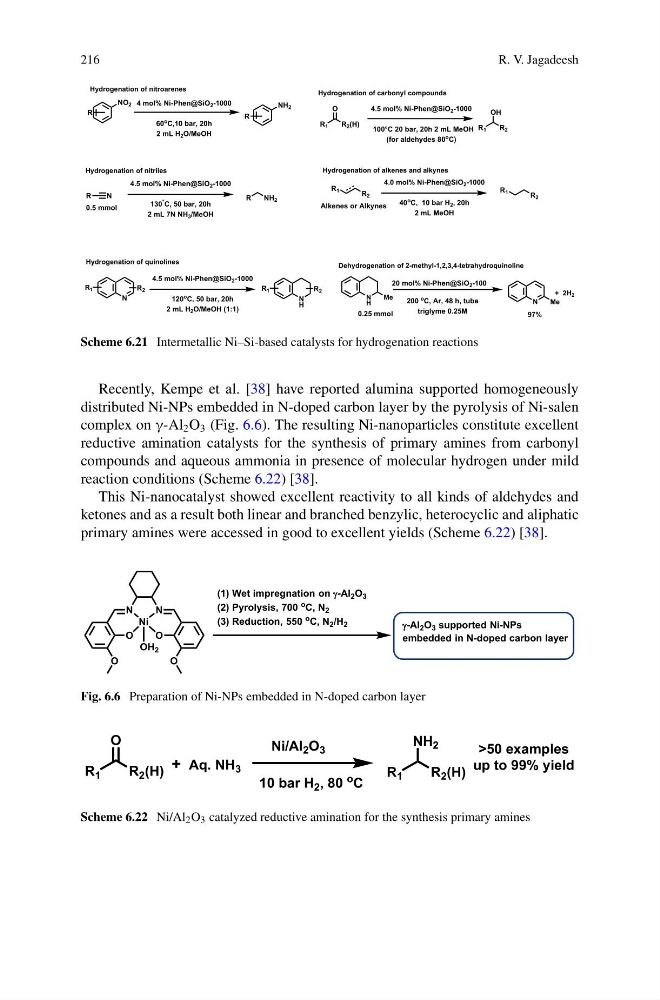
Scheme 6.21 Intermetallic Ni–Si-based catalysts for hydrogenation reactions
Recently, Kempe et al. [38] have reported alumina supported homogeneously
distributed Ni-NPs embedded in N-doped carbon layer by the pyrolysis of Ni-salen
complex on γ-Al 2 O 3 (Fig. 6.6). The resulting Ni-nanoparticles constitute excellent
reductive amination catalysts for the synthesis of primary amines from carbonyl
compounds and aqueous ammonia in presence of molecular hydrogen under mild
reaction conditions (Scheme 6.22) [38].
This Ni-nanocatalyst showed excellent reactivity to all kinds of aldehydes and
ketones and as a result both linear and branched benzylic, heterocyclic and aliphatic
primary amines were accessed in good to excellent yields (Scheme 6.22) [38].
O
N
O
N
O
O
Ni
OH 2
(1) Wet impregnation on -Al 2 O 3
(2) Pyrolysis, 700
o C, N 2
(3) Reduction, 550
o C, N 2 /H 2
-Al 2 O 3 supported Ni-NPs
embedded in N-doped carbon layer
Fig. 6.6 Preparation of Ni-NPs embedded in N-doped carbon layer
R 1
R 2 (H)
O
+ Aq. NH 3
Ni/Al 2 O 3
10 bar H 2 , 80
o C
R 1
R 2 (H)
NH 2
>50 examples
up to 99% yield
Scheme 6.22 Ni/Al 2 O 3 catalyzed reductive amination for the synthesis primary amines
R. V. Jagadeesh
4 mol% Ni-Phen@SiO 2 -1000
60
o C,10 bar, 20h
2 mL H 2 O/MeOH
NO 2
NH 2
R
R
4.5 mol% Ni-Phen@SiO 2 -1000
100°C 20 bar, 20h 2 mL MeOH
(for aldehydes 80
o C)
R 1
O
R 2 (H)
R 1
OH
R 2
R
N
4.5 mol% Ni-Phen@SiO 2 -1000
130
° C, 50 bar, 20h
2 mL 7N NH 3 /MeOH
0.5 mmol
R
NH 2
4.5 mol% Ni-Phen@SiO 2 -1000
120
o C, 50 bar, 20h
2 mL H 2 O/MeOH (1:1)
N
R1
R 2
N
H
R 1
R 2
4.0 mol% Ni-Phen@SiO 2 -1000
40
o C, 10 bar H 2 , 20h
2 mL MeOH
R 1
R 1
R 2
R 2
Alkenes or Alkynes
Hydrogenation of nitroarenes
Hydrogenation of carbonyl compounds
Hydrogenation of nitriles
Hydrogenation of alkenes and alkynes
Hydrogenation of quinolines
20 mol% Ni-Phen@SiO 2 -100
0.25 mmol
200
o C, Ar, 48 h, tube
triglyme 0.25M
+ 2H2
97%
N
H
Me
N
Me
Dehydrogenation of 2-methyl-1,2,3,4-tetrahydroquinoline
Scheme 6.21 Intermetallic Ni–Si-based catalysts for hydrogenation reactions
Recently, Kempe et al. [38] have reported alumina supported homogeneously
distributed Ni-NPs embedded in N-doped carbon layer by the pyrolysis of Ni-salen
complex on γ-Al 2 O 3 (Fig. 6.6). The resulting Ni-nanoparticles constitute excellent
reductive amination catalysts for the synthesis of primary amines from carbonyl
compounds and aqueous ammonia in presence of molecular hydrogen under mild
reaction conditions (Scheme 6.22) [38].
This Ni-nanocatalyst showed excellent reactivity to all kinds of aldehydes and
ketones and as a result both linear and branched benzylic, heterocyclic and aliphatic
primary amines were accessed in good to excellent yields (Scheme 6.22) [38].
O
N
O
N
O
O
Ni
OH 2
(1) Wet impregnation on -Al 2 O 3
(2) Pyrolysis, 700
o C, N 2
(3) Reduction, 550
o C, N 2 /H 2
-Al 2 O 3 supported Ni-NPs
embedded in N-doped carbon layer
Fig. 6.6 Preparation of Ni-NPs embedded in N-doped carbon layer
R 1
R 2 (H)
O
+ Aq. NH 3
Ni/Al 2 O 3
10 bar H 2 , 80
o C
R 1
R 2 (H)
NH 2
>50 examples
up to 99% yield
Scheme 6.22 Ni/Al 2 O 3 catalyzed reductive amination for the synthesis primary amines