

In forest ecosystems densely invaded by alien trees, a phased approach to clearing
the aliens better promoted conditions for in situ recruitment by vertebrate-dispersed
forest species that germinate under a canopy and are shade-tolerant (Geldenhuys
et al. 2017). The standard method of clear felling the aliens may leave large areas of
bare ground without suitable frugivore perches or microclimatic conditions suited to
dispersal, germination and establishment of native forest species. The Buffeljags
River Forest case study (Table 23.1) illustrates the phased clearance approach, which
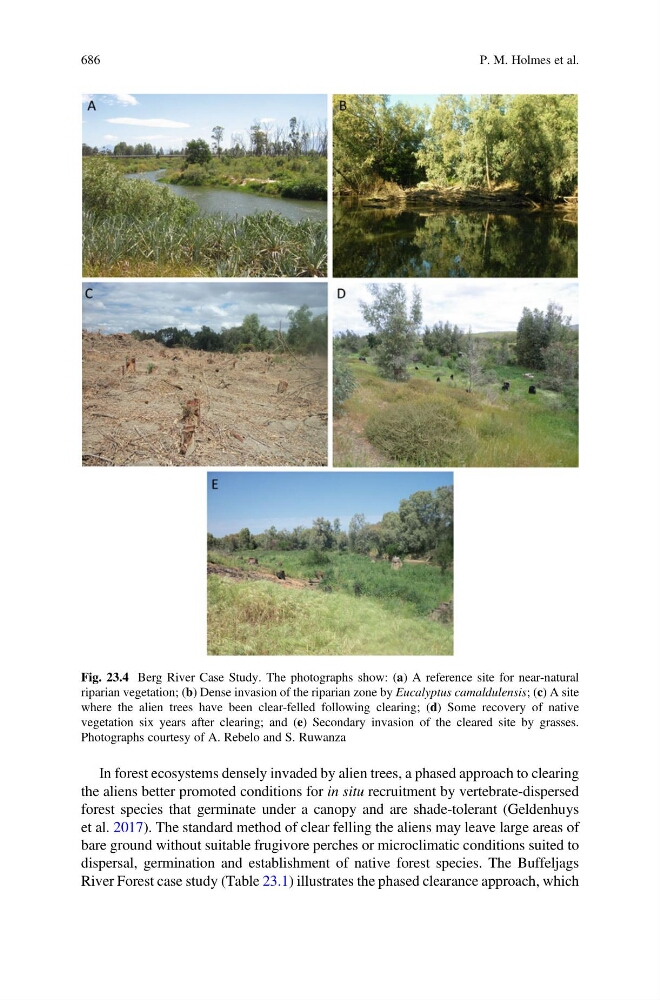
Fig. 23.4 Berg River Case Study. The photographs show: (a) A reference site for near-natural
riparian vegetation; (b) Dense invasion of the riparian zone by Eucalyptus camaldulensis; (c) A site
where the alien trees have been clear-felled following clearing; (d) Some recovery of native
vegetation six years after clearing; and (e) Secondary invasion of the cleared site by grasses.
Photographs courtesy of A. Rebelo and S. Ruwanza
686
P. M. Holmes et al.