

was adopted as a four-stage alien thinning process to promote recovery in lowland
riparian zones of the Berg River, where the restoration goal is thicket or forest
(Ruwanza et al. 2013a, b).
For invasive alien species under effective biological control (Moran and Hoffmann 2012), integrated control is needed to best optimise the impacts of the
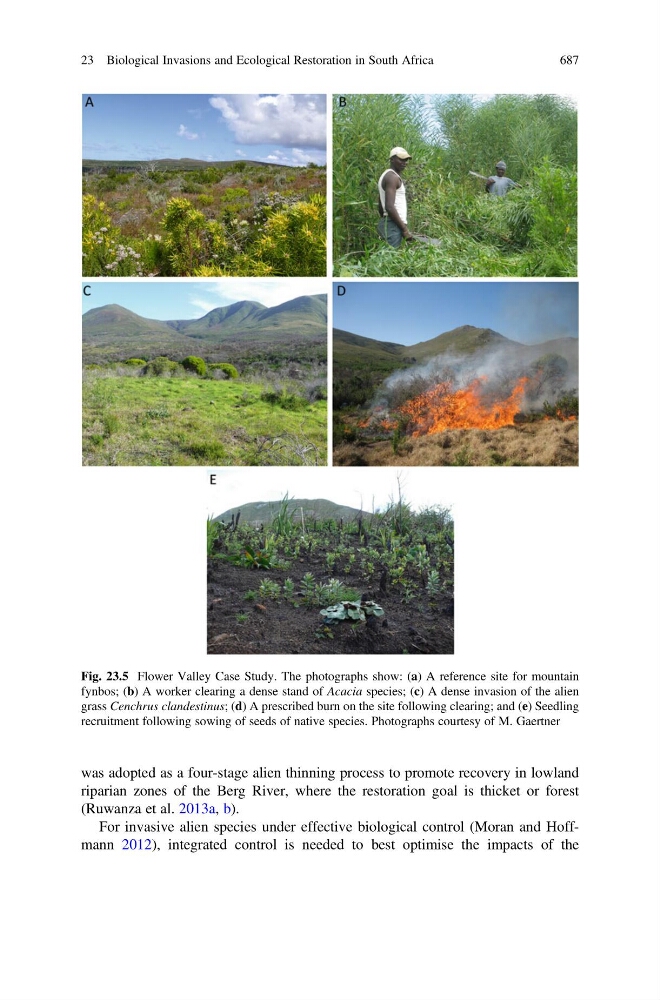
Fig. 23.5 Flower Valley Case Study. The photographs show: (a) A reference site for mountain
fynbos; (b) A worker clearing a dense stand of Acacia species; (c) A dense invasion of the alien
grass Cenchrus clandestinus; (d) A prescribed burn on the site following clearing; and (e) Seedling
recruitment following sowing of seeds of native species. Photographs courtesy of M. Gaertner
23 Biological Invasions and Ecological Restoration in South Africa
687