

the need for active restoration (Kimball et al. 2015). An important step is to assess
which sites have moderate to good restoration potential. At such sites, control
methods should attempt to minimise damage to native propagules, seedlings and
adults, or attract dispersal agents, depending on the ecosystem (Table 23.1).
In grassland ecosystems invaded by Trifid Weed, Chromolaena odorata, integrated control using frequent fire after mechanical or chemical treatment was
effective in controlling this species, as it is not fire-adapted. Furthermore, spontaneous regeneration by grassland species followed this treatment combination (Dew
et al. 2017).
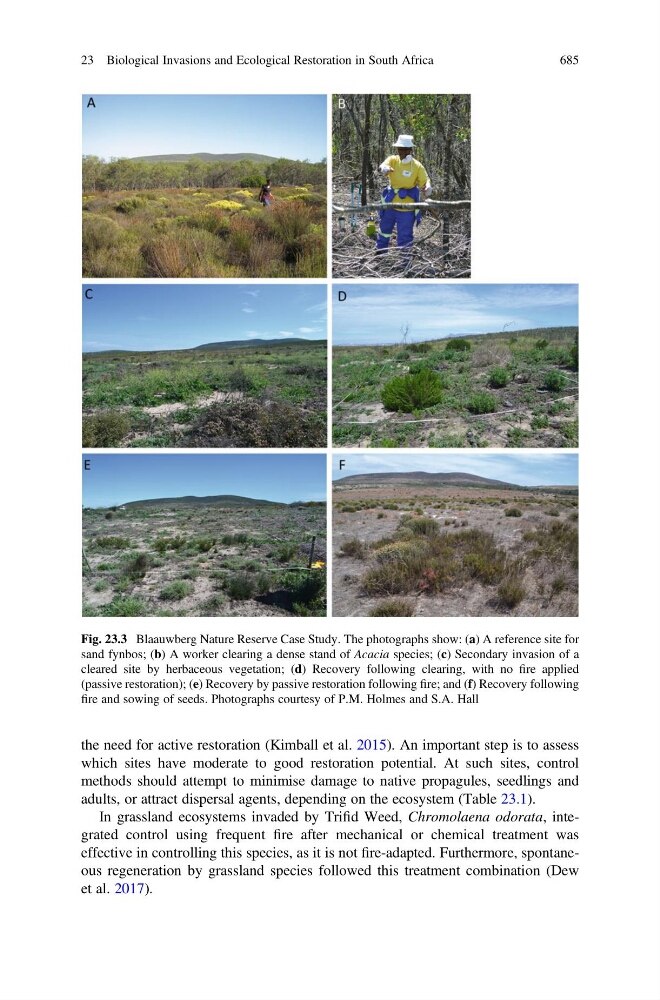
Fig. 23.3 Blaauwberg Nature Reserve Case Study. The photographs show: (a) A reference site for
sand fynbos; (b) A worker clearing a dense stand of Acacia species; (c) Secondary invasion of a
cleared site by herbaceous vegetation; (d) Recovery following clearing, with no fire applied
(passive restoration); (e) Recovery by passive restoration following fire; and (f) Recovery following
fire and sowing of seeds. Photographs courtesy of P.M. Holmes and S.A. Hall
23 Biological Invasions and Ecological Restoration in South Africa
685