

9 Hexacarbocyclic Sesterterpenoids
Niduterpenoid A (138) and niduterpenoid B (139) possess hexacarbocyclic 5/5/5/5/
3/5-membered ring systems (Fig. 99) [125]. Both compounds were isolated from
Aspergillus nidulans. Compound 138 lacks cytotoxicity, but abrogates 17-estradiolinduced cell proliferation. The cyclization reaction for the formation of the
hexacarbocyclic system starting from geranylfarnesyl diphosphate (8) is quite complicated, as shown in Fig. 100. After the formation of the intermediate A, with a 5/5/
5/6/5-membered ring system, further rearrangements occur to form the
hexacarbocyclic structure. Notably, the 5/5/5/6/5-membered ring system of the
intermediate A is distinct from those of 134–137 (Figs. 97 and 98).
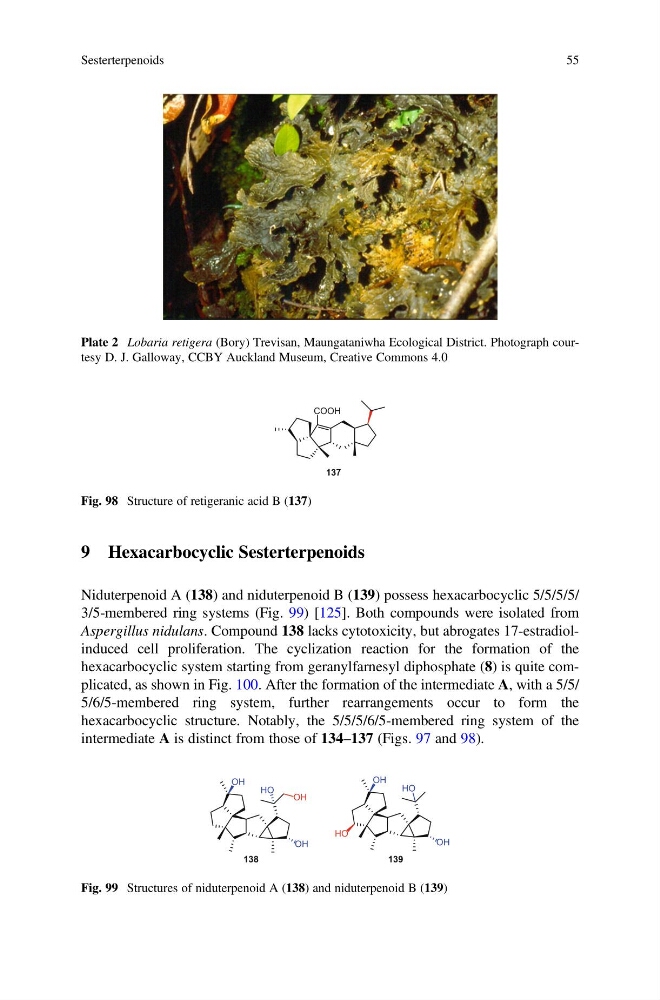
Plate 2 Lobaria retigera (Bory) Trevisan, Maungataniwha Ecological District. Photograph courtesy D. J. Galloway, CCBY Auckland Museum, Creative Commons 4.0
COOH
137
Fig. 98 Structure of retigeranic acid B (137)
HO
OH
OH
OH
HO
OH
OH
HO
138
139
Fig. 99 Structures of niduterpenoid A (138) and niduterpenoid B (139)
Sesterterpenoids
55
Niduterpenoid A (138) and niduterpenoid B (139) possess hexacarbocyclic 5/5/5/5/
3/5-membered ring systems (Fig. 99) [125]. Both compounds were isolated from
Aspergillus nidulans. Compound 138 lacks cytotoxicity, but abrogates 17-estradiolinduced cell proliferation. The cyclization reaction for the formation of the
hexacarbocyclic system starting from geranylfarnesyl diphosphate (8) is quite complicated, as shown in Fig. 100. After the formation of the intermediate A, with a 5/5/
5/6/5-membered ring system, further rearrangements occur to form the
hexacarbocyclic structure. Notably, the 5/5/5/6/5-membered ring system of the
intermediate A is distinct from those of 134–137 (Figs. 97 and 98).
Plate 2 Lobaria retigera (Bory) Trevisan, Maungataniwha Ecological District. Photograph courtesy D. J. Galloway, CCBY Auckland Museum, Creative Commons 4.0
COOH
137
Fig. 98 Structure of retigeranic acid B (137)
HO
OH
OH
OH
HO
OH
OH
HO
138
139
Fig. 99 Structures of niduterpenoid A (138) and niduterpenoid B (139)
Sesterterpenoids
55