

cancers and the steady increase in the development of novel PRMT5 inhibitors,
PRMT5 is likely the most interesting therapeutic target among the PRMTs at
this time.
8 PRMT6
8.1 Background
PRMT6 is a nuclear type I PRMT that methylates histone residues H2AR3,
H2AR29, H3R2, H3R42 and H4R3 [14, 169, 170]. PRMT6-mediated aDMA
methylation of H3R2 blocks the mixed lineage leukaemia (MLL) complex-mediated
di- and tri-methylation of H3K4 and vice versa [171]. Other substrates of PRMT6
include HMGA1a, involved in chromatin structure organization [172] and DNA
polymerase β, involved in DNA base excision repair [173]. Furthermore,
automethylation increases the stability and anti-HIV-1 activity of PRMT6, and
methylation of HIV-Tat protein reduces HIV-1 production and viral replication
[37, 174, 175]. PRMT6 has also been found to be overexpressed in a variety of
cancers, including bladder and lung cancer [63] and prostate cancer [176], but is
downregulated in melanoma [177]. In addition, PRMT6 dysregulation was also
recently found to be associated in pulmonary disorders [35].
8.2 Inhibitors: In Vitro and Cell-Based Activities
The ethylenediamino compounds discussed in the section above on CARM1/
PRMT4 generally demonstrated similar potency towards both CARM1 and
PRMT6. This includes the potent dual CARM1-PRMT6 inhibitor MS049 (51,
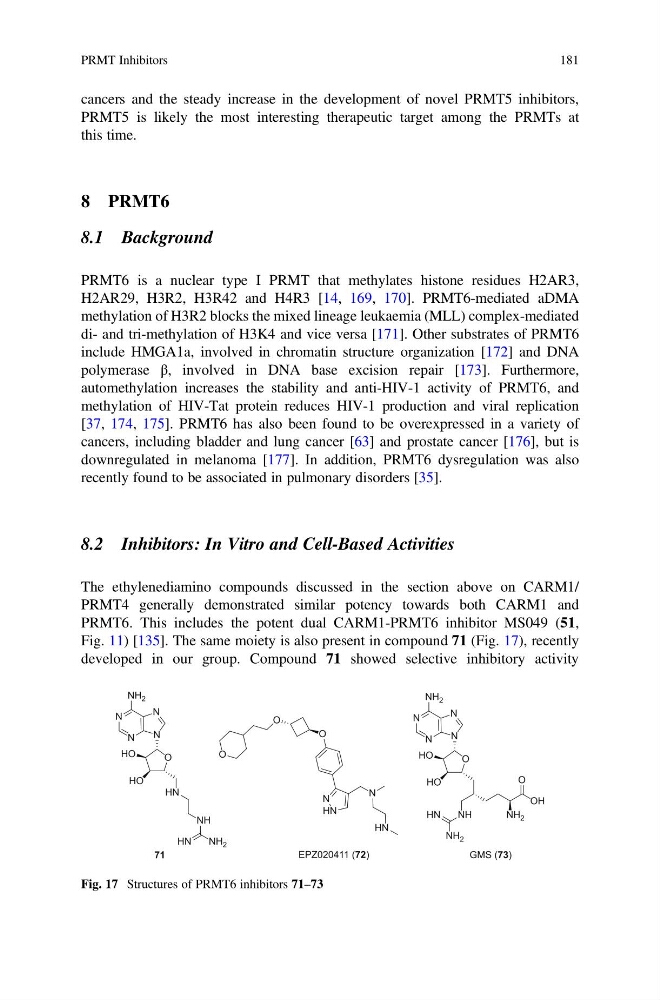
Fig. 11) [135]. The same moiety is also present in compound 71 (Fig. 17), recently
developed in our group. Compound 71 showed selective inhibitory activity
O
HO
HO
N
N
N
N
NH 2
HN
NH
NH 2
HN
71
N
HN
N
HN
O
O
O
EPZ020411 (72)
O
HO
HO
N
N
N
N
NH 2
NH
HN
NH 2
OH
O
NH 2
GMS (73)
Fig. 17 Structures of PRMT6 inhibitors 71–73
PRMT Inhibitors
181
PRMT5 is likely the most interesting therapeutic target among the PRMTs at
this time.
8 PRMT6
8.1 Background
PRMT6 is a nuclear type I PRMT that methylates histone residues H2AR3,
H2AR29, H3R2, H3R42 and H4R3 [14, 169, 170]. PRMT6-mediated aDMA
methylation of H3R2 blocks the mixed lineage leukaemia (MLL) complex-mediated
di- and tri-methylation of H3K4 and vice versa [171]. Other substrates of PRMT6
include HMGA1a, involved in chromatin structure organization [172] and DNA
polymerase β, involved in DNA base excision repair [173]. Furthermore,
automethylation increases the stability and anti-HIV-1 activity of PRMT6, and
methylation of HIV-Tat protein reduces HIV-1 production and viral replication
[37, 174, 175]. PRMT6 has also been found to be overexpressed in a variety of
cancers, including bladder and lung cancer [63] and prostate cancer [176], but is
downregulated in melanoma [177]. In addition, PRMT6 dysregulation was also
recently found to be associated in pulmonary disorders [35].
8.2 Inhibitors: In Vitro and Cell-Based Activities
The ethylenediamino compounds discussed in the section above on CARM1/
PRMT4 generally demonstrated similar potency towards both CARM1 and
PRMT6. This includes the potent dual CARM1-PRMT6 inhibitor MS049 (51,
Fig. 11) [135]. The same moiety is also present in compound 71 (Fig. 17), recently
developed in our group. Compound 71 showed selective inhibitory activity
O
HO
HO
N
N
N
N
NH 2
HN
NH
NH 2
HN
71
N
HN
N
HN
O
O
O
EPZ020411 (72)
O
HO
HO
N
N
N
N
NH 2
NH
HN
NH 2
OH
O
NH 2
GMS (73)
Fig. 17 Structures of PRMT6 inhibitors 71–73
PRMT Inhibitors
181