

Fresh Meats and Poultry
83
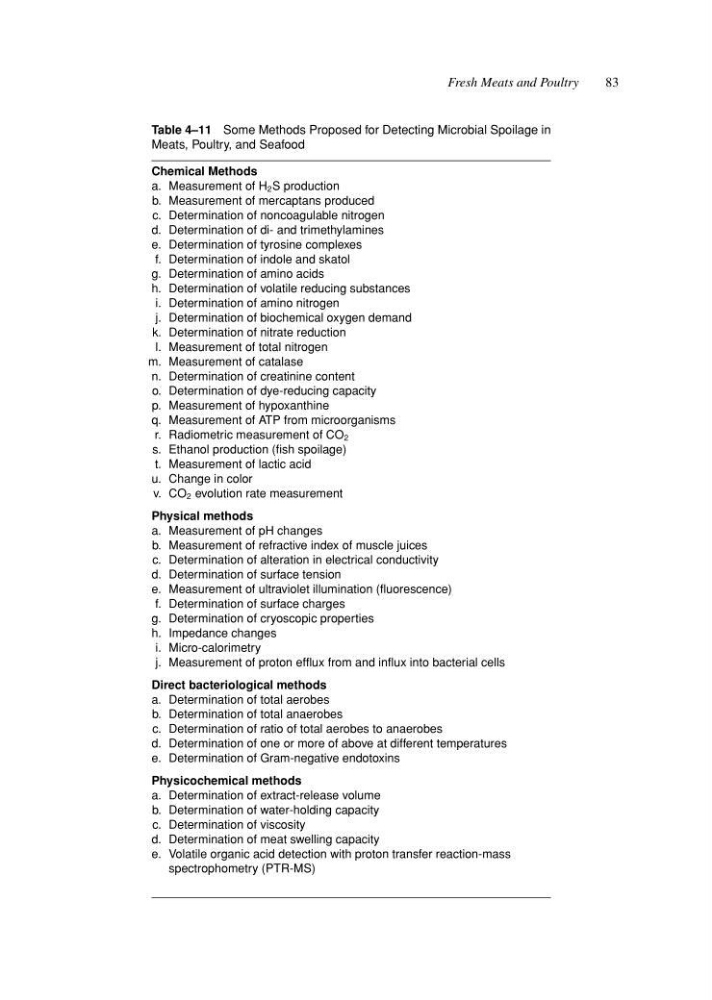
Table 4–11 Some Methods Proposed for Detecting Microbial Spoilage in
Meats, Poultry, and Seafood
Chemical Methods
a. Measurement of H 2 S production
b. Measurement of mercaptans produced
c. Determination of noncoagulable nitrogen
d. Determination of di- and trimethylamines
e. Determination of tyrosine complexes
f. Determination of indole and skatol
g. Determination of amino acids
h. Determination of volatile reducing substances
i. Determination of amino nitrogen
j. Determination of biochemical oxygen demand
k. Determination of nitrate reduction
l. Measurement of total nitrogen
m. Measurement of catalase
n. Determination of creatinine content
o. Determination of dye-reducing capacity
p. Measurement of hypoxanthine
q. Measurement of ATP from microorganisms
r. Radiometric measurement of CO 2
s. Ethanol production (fish spoilage)
t. Measurement of lactic acid
u. Change in color
v. CO 2 evolution rate measurement
Physical methods
a. Measurement of pH changes
b. Measurement of refractive index of muscle juices
c. Determination of alteration in electrical conductivity
d. Determination of surface tension
e. Measurement of ultraviolet illumination (fluorescence)
f. Determination of surface charges
g. Determination of cryoscopic properties
h. Impedance changes
i. Micro-calorimetry
j. Measurement of proton efflux from and influx into bacterial cells
Direct bacteriological methods
a. Determination of total aerobes
b. Determination of total anaerobes
c. Determination of ratio of total aerobes to anaerobes
d. Determination of one or more of above at different temperatures
e. Determination of Gram-negative endotoxins
Physicochemical methods
a. Determination of extract-release volume
b. Determination of water-holding capacity
c. Determination of viscosity
d. Determination of meat swelling capacity
e. Volatile organic acid detection with proton transfer reaction-mass
spectrophometry (PTR-MS)
83
Table 4–11 Some Methods Proposed for Detecting Microbial Spoilage in
Meats, Poultry, and Seafood
Chemical Methods
a. Measurement of H 2 S production
b. Measurement of mercaptans produced
c. Determination of noncoagulable nitrogen
d. Determination of di- and trimethylamines
e. Determination of tyrosine complexes
f. Determination of indole and skatol
g. Determination of amino acids
h. Determination of volatile reducing substances
i. Determination of amino nitrogen
j. Determination of biochemical oxygen demand
k. Determination of nitrate reduction
l. Measurement of total nitrogen
m. Measurement of catalase
n. Determination of creatinine content
o. Determination of dye-reducing capacity
p. Measurement of hypoxanthine
q. Measurement of ATP from microorganisms
r. Radiometric measurement of CO 2
s. Ethanol production (fish spoilage)
t. Measurement of lactic acid
u. Change in color
v. CO 2 evolution rate measurement
Physical methods
a. Measurement of pH changes
b. Measurement of refractive index of muscle juices
c. Determination of alteration in electrical conductivity
d. Determination of surface tension
e. Measurement of ultraviolet illumination (fluorescence)
f. Determination of surface charges
g. Determination of cryoscopic properties
h. Impedance changes
i. Micro-calorimetry
j. Measurement of proton efflux from and influx into bacterial cells
Direct bacteriological methods
a. Determination of total aerobes
b. Determination of total anaerobes
c. Determination of ratio of total aerobes to anaerobes
d. Determination of one or more of above at different temperatures
e. Determination of Gram-negative endotoxins
Physicochemical methods
a. Determination of extract-release volume
b. Determination of water-holding capacity
c. Determination of viscosity
d. Determination of meat swelling capacity
e. Volatile organic acid detection with proton transfer reaction-mass
spectrophometry (PTR-MS)