

Laboratory
test
䞉Strict control
䞉Standardization of
protocols
䞉Numerous databases
Outdoor
monitoring
䞉Reflect reality accurately
䞉Difficulty setting
conditions
䞉Difficult to
standardize
Microcosm
䞉Biological and ecological impact
assessment is possible
䞉Controllability is great
䞉Various protocols can be set
Large controllability
Large reality
Molecular system
Chemical system
Microcosm
Outdoor ecological system
Earth system
Mesocosm
Spatial scale (large)
time scale (long)
The microcosm system is a time and space controllable sub-ecological
system that connects laboratory tests and outdoor monitoring.
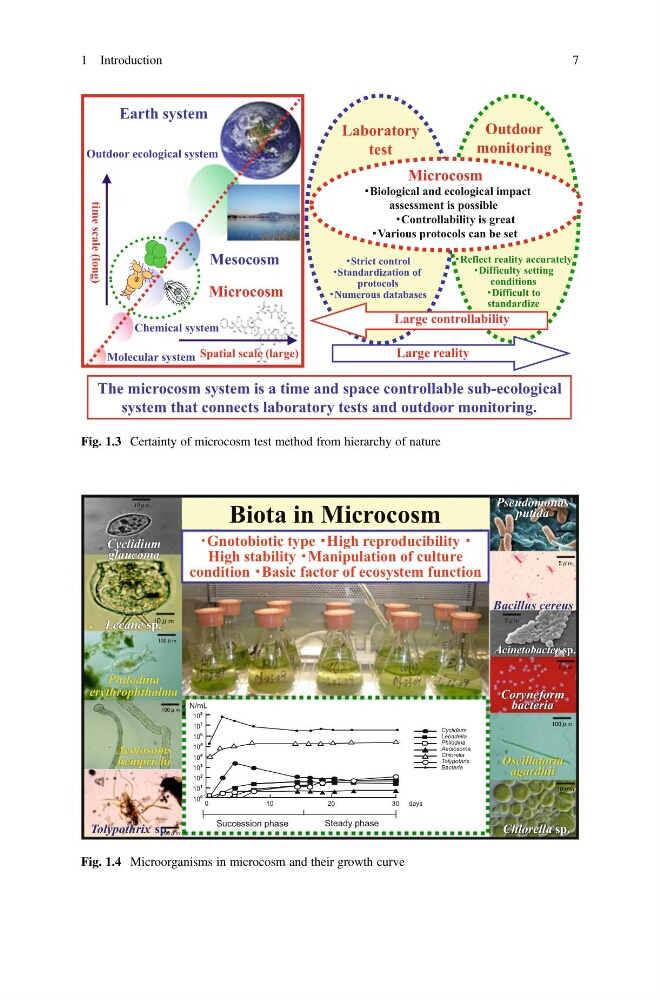
Fig. 1.3 Certainty of microcosm test method from hierarchy of nature
Biota in Microcosm
Cyclidium
Lepadella
Philodina
Aeolosoma
Chlorella
Tolypothrix
Bacteria
0
1 0
2 0
3 0
10 8
10 7
10 6
10 5
10 4
10 3
10 2
10 1
10 0
days
䞉Gnotobiotic type 䞉High reproducibility 䞉
High stability 䞉Manipulation of culture
condition 䞉Basic factor of ecosystem function
Cyclidium
glaucoma
Lecane sp.
Philodina
erythrophthalma
Aeolosoms
hemprichi
Tolypothrix sp.
Chlorella sp.
Oscillatoria
agardhii
Coryneform
bacteria
Acinetobacter sp.
Bacillus cereus
Pseudomonas
putida
Steady phase
Succession phase
N/mL
Fig. 1.4 Microorganisms in microcosm and their growth curve
1 Introduction
7
test
䞉Strict control
䞉Standardization of
protocols
䞉Numerous databases
Outdoor
monitoring
䞉Reflect reality accurately
䞉Difficulty setting
conditions
䞉Difficult to
standardize
Microcosm
䞉Biological and ecological impact
assessment is possible
䞉Controllability is great
䞉Various protocols can be set
Large controllability
Large reality
Molecular system
Chemical system
Microcosm
Outdoor ecological system
Earth system
Mesocosm
Spatial scale (large)
time scale (long)
The microcosm system is a time and space controllable sub-ecological
system that connects laboratory tests and outdoor monitoring.
Fig. 1.3 Certainty of microcosm test method from hierarchy of nature
Biota in Microcosm
Cyclidium
Lepadella
Philodina
Aeolosoma
Chlorella
Tolypothrix
Bacteria
0
1 0
2 0
3 0
10 8
10 7
10 6
10 5
10 4
10 3
10 2
10 1
10 0
days
䞉Gnotobiotic type 䞉High reproducibility 䞉
High stability 䞉Manipulation of culture
condition 䞉Basic factor of ecosystem function
Cyclidium
glaucoma
Lecane sp.
Philodina
erythrophthalma
Aeolosoms
hemprichi
Tolypothrix sp.
Chlorella sp.
Oscillatoria
agardhii
Coryneform
bacteria
Acinetobacter sp.
Bacillus cereus
Pseudomonas
putida
Steady phase
Succession phase
N/mL
Fig. 1.4 Microorganisms in microcosm and their growth curve
1 Introduction
7