

The N-system is a microcosm that consists of a combination of at least four
dominant bacterial species acting as decomposers, four microanimal species acting
as predators, and three photoautotrophic species acting as producers. The N-system
is a model microbial ecosystem with high stability and reproducibility that, when
transferred to a new medium as a seed, during its stable phase, will repeatedly yield a
coexisting and coevolving system with a similar proliferation curve to the original
microcosm. With over 40 years of stable transfers, it is highly effective as a unified
standard for comparing and analyzing data (Fig. 1.4). Furthermore, operation under
various conditions is possible while retaining the basic elements of ecosystem
functions. Given these characteristics, this model is intended to assess ecosystem
risks using production volume/respiration volume (P/R) ratios concomitant with
shifts in the entire ecosystem as an indicator. Using the flask microcosm N-system
as a model of ecosystem functions, our aim is to offer researchers internationally
applicable guidelines for this general microcosm testing method developed in Japan.
Because it is expected that the microcosm is highly correlated with the
corresponding natural ecosystem, it is assumed that a more realistic and predictable
Ecosystem level
Population variation level
Metabolic activity level
Metazoan
Algae
Dissolved
metabolite
Bacteria
Protozoan
Chl.a
Activity
Population
Respiration
rate
Population
Population
Cell
intake
Egg
production
Specific
substance
production
Chemical
substance
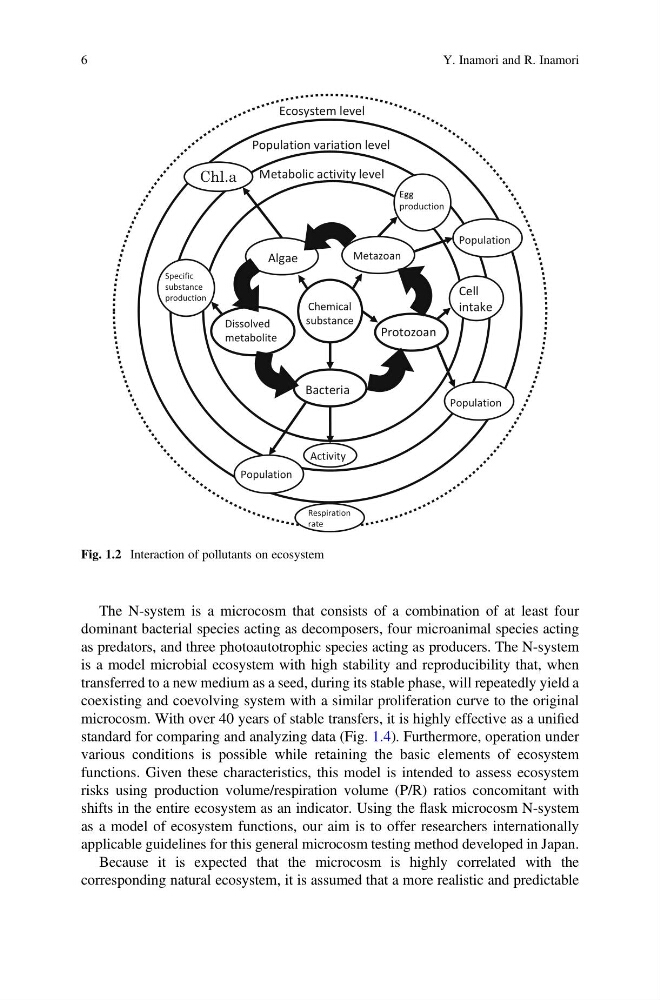
Fig. 1.2 Interaction of pollutants on ecosystem
6
Y. Inamori and R. Inamori
dominant bacterial species acting as decomposers, four microanimal species acting
as predators, and three photoautotrophic species acting as producers. The N-system
is a model microbial ecosystem with high stability and reproducibility that, when
transferred to a new medium as a seed, during its stable phase, will repeatedly yield a
coexisting and coevolving system with a similar proliferation curve to the original
microcosm. With over 40 years of stable transfers, it is highly effective as a unified
standard for comparing and analyzing data (Fig. 1.4). Furthermore, operation under
various conditions is possible while retaining the basic elements of ecosystem
functions. Given these characteristics, this model is intended to assess ecosystem
risks using production volume/respiration volume (P/R) ratios concomitant with
shifts in the entire ecosystem as an indicator. Using the flask microcosm N-system
as a model of ecosystem functions, our aim is to offer researchers internationally
applicable guidelines for this general microcosm testing method developed in Japan.
Because it is expected that the microcosm is highly correlated with the
corresponding natural ecosystem, it is assumed that a more realistic and predictable
Ecosystem level
Population variation level
Metabolic activity level
Metazoan
Algae
Dissolved
metabolite
Bacteria
Protozoan
Chl.a
Activity
Population
Respiration
rate
Population
Population
Cell
intake
Egg
production
Specific
substance
production
Chemical
substance
Fig. 1.2 Interaction of pollutants on ecosystem
6
Y. Inamori and R. Inamori