

derived from the ability of ultraviolet radiation to alter chemical bonds, even without
having quite enough energy to ionize atoms.
Across the globe, the need for nuclear power generation is discussed as part of
energy policies. The nuclear power plant accident during the earthquake disaster in
eastern Japan, that is, the Tohoku earthquake and the resulting tsunami that affected
power plants including Fukushima Daiichi, was the beginning of much discussion.
With respect to nuclear power generation, the inspection and accumulation of
knowledge about the safety for and effects of radiation on human beings, animals,
plants, and the aquatic environment are necessary. The monitoring of pollution from
fishery by-product pollution, soil pollution, and the accumulation of sewage grime
was accomplished using radiological vegetables after the nuclear plant accident, and
further analysis is now being pushed forward. However, consideration of the kind of
influence radiation has on the small animals and phytoplankton constituting the base
of the aquatic ecosystem, so-called microbes, remains limited. Here, the influence of
radiation on the aquatic ecosystem is described.
7.11.1 γ-Ray (
137
Cs)
To characterize the indirect effects of ionizing radiation on aquatic microbial communities, the effects of acute γ-irradiation were investigated in a microcosm
(Fig. 7.32). Population changes in the constituent organisms were observed over
(days)
(N/mL) (cm/mL)
(days)
(N/mL) (cm/mL)
1.E+01
1.E+02
1.E+03
1.E+04
1.E+05
1.E+06
1.E+07
1.E+00
1.E+01
1.E+02
1.E+03
1.E+04
1.E+05
1.E+06
1.E+07
1.E+00
(N/mL) (cm/mL)
1.E+01
1.E+02
1.E+03
1.E+04
1.E+05
1.E+06
1.E+07
1.E+00
1.E+01
1.E+02
1.E+03
1.E+04
1.E+05
1.E+06
1.E+07
1.E+00
(N/mL) (cm/mL)
0
5
15
10
20
30
25
0
5
15
10
20
30
25
0
5
15
10
20
30
25
0
5
15
10
20
30
25
(days)
(days)
Chlorella
Scenedesmus
Tolypothrix
Lecane
Philodina
Aeolosoma
Cyclidium
control
0.5mg/L of AgNP
1.0mg/L of AgNP
10mg/L of AgNP
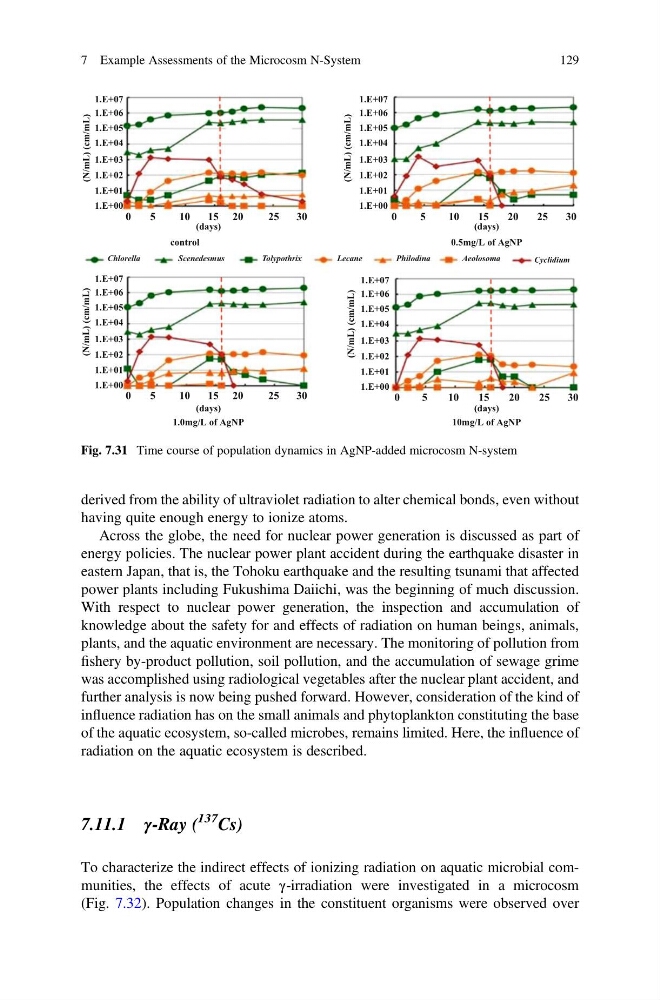
Fig. 7.31 Time course of population dynamics in AgNP-added microcosm N-system
7 Example Assessments of the Microcosm N-System
129
having quite enough energy to ionize atoms.
Across the globe, the need for nuclear power generation is discussed as part of
energy policies. The nuclear power plant accident during the earthquake disaster in
eastern Japan, that is, the Tohoku earthquake and the resulting tsunami that affected
power plants including Fukushima Daiichi, was the beginning of much discussion.
With respect to nuclear power generation, the inspection and accumulation of
knowledge about the safety for and effects of radiation on human beings, animals,
plants, and the aquatic environment are necessary. The monitoring of pollution from
fishery by-product pollution, soil pollution, and the accumulation of sewage grime
was accomplished using radiological vegetables after the nuclear plant accident, and
further analysis is now being pushed forward. However, consideration of the kind of
influence radiation has on the small animals and phytoplankton constituting the base
of the aquatic ecosystem, so-called microbes, remains limited. Here, the influence of
radiation on the aquatic ecosystem is described.
7.11.1 γ-Ray (
137
Cs)
To characterize the indirect effects of ionizing radiation on aquatic microbial communities, the effects of acute γ-irradiation were investigated in a microcosm
(Fig. 7.32). Population changes in the constituent organisms were observed over
(days)
(N/mL) (cm/mL)
(days)
(N/mL) (cm/mL)
1.E+01
1.E+02
1.E+03
1.E+04
1.E+05
1.E+06
1.E+07
1.E+00
1.E+01
1.E+02
1.E+03
1.E+04
1.E+05
1.E+06
1.E+07
1.E+00
(N/mL) (cm/mL)
1.E+01
1.E+02
1.E+03
1.E+04
1.E+05
1.E+06
1.E+07
1.E+00
1.E+01
1.E+02
1.E+03
1.E+04
1.E+05
1.E+06
1.E+07
1.E+00
(N/mL) (cm/mL)
0
5
15
10
20
30
25
0
5
15
10
20
30
25
0
5
15
10
20
30
25
0
5
15
10
20
30
25
(days)
(days)
Chlorella
Scenedesmus
Tolypothrix
Lecane
Philodina
Aeolosoma
Cyclidium
control
0.5mg/L of AgNP
1.0mg/L of AgNP
10mg/L of AgNP
Fig. 7.31 Time course of population dynamics in AgNP-added microcosm N-system
7 Example Assessments of the Microcosm N-System
129