

programs are capable to process nucleic acid: AUTODOCK [66], DOCK6 [67],
HADDOCK [68] and rDOCK [69] are to perform a docking between ligand and
nucleic acids. The refined results of interaction analysis nucleic acids-ligand are
employed as starting point for supramolecular structure design (DNA and RNA
origami). This phase is constrained by availability of specific design suites. Many of
available tools are specifically developed for specific chemical materials. It is not
rather clear if they can be easily utilized with nucleic acids. The software listed in
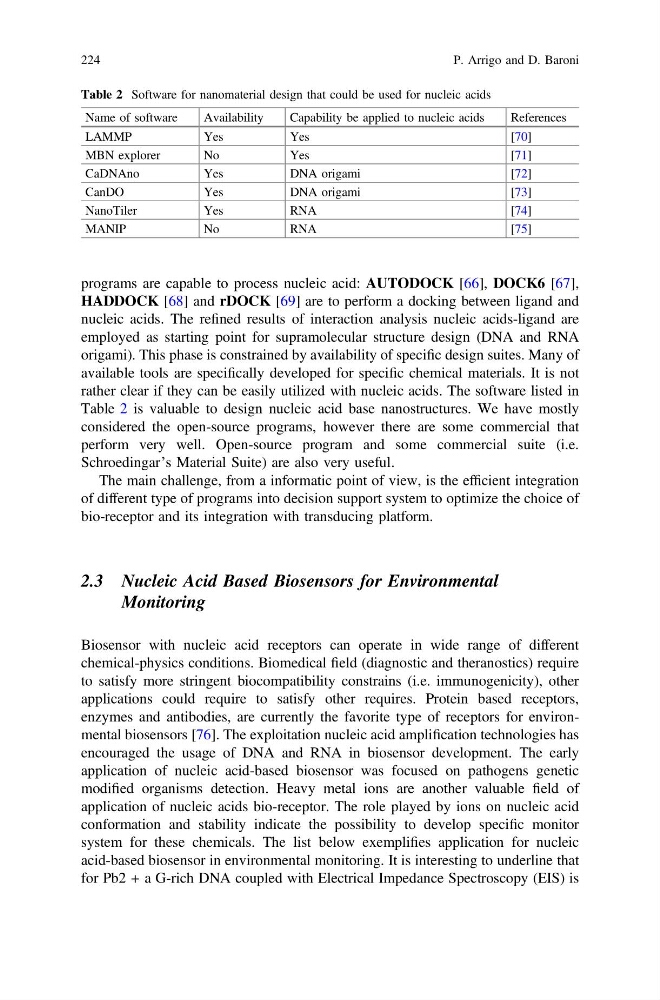
Table 2 is valuable to design nucleic acid base nanostructures. We have mostly
considered the open-source programs, however there are some commercial that
perform very well. Open-source program and some commercial suite (i.e.
Schroedingar’s Material Suite) are also very useful.
The main challenge, from a informatic point of view, is the efficient integration
of different type of programs into decision support system to optimize the choice of
bio-receptor and its integration with transducing platform.
2.3 Nucleic Acid Based Biosensors for Environmental
Monitoring
Biosensor with nucleic acid receptors can operate in wide range of different
chemical-physics conditions. Biomedical field (diagnostic and theranostics) require
to satisfy more stringent biocompatibility constrains (i.e. immunogenicity), other
applications could require to satisfy other requires. Protein based receptors,
enzymes and antibodies, are currently the favorite type of receptors for environmental biosensors [76]. The exploitation nucleic acid amplification technologies has
encouraged the usage of DNA and RNA in biosensor development. The early
application of nucleic acid-based biosensor was focused on pathogens genetic
modified organisms detection. Heavy metal ions are another valuable field of
application of nucleic acids bio-receptor. The role played by ions on nucleic acid
conformation and stability indicate the possibility to develop specific monitor
system for these chemicals. The list below exemplifies application for nucleic
acid-based biosensor in environmental monitoring. It is interesting to underline that
for Pb2 + a G-rich DNA coupled with Electrical Impedance Spectroscopy (EIS) is
Table 2 Software for nanomaterial design that could be used for nucleic acids
Name of software
Availability
Capability be applied to nucleic acids
References
LAMMP
Yes
Yes
[70]
MBN explorer
No
Yes
[71]
CaDNAno
Yes
DNA origami
[72]
CanDO
Yes
DNA origami
[73]
NanoTiler
Yes
RNA
[74]
MANIP
No
RNA
[75]
224
P. Arrigo and D. Baroni
HADDOCK [68] and rDOCK [69] are to perform a docking between ligand and
nucleic acids. The refined results of interaction analysis nucleic acids-ligand are
employed as starting point for supramolecular structure design (DNA and RNA
origami). This phase is constrained by availability of specific design suites. Many of
available tools are specifically developed for specific chemical materials. It is not
rather clear if they can be easily utilized with nucleic acids. The software listed in
Table 2 is valuable to design nucleic acid base nanostructures. We have mostly
considered the open-source programs, however there are some commercial that
perform very well. Open-source program and some commercial suite (i.e.
Schroedingar’s Material Suite) are also very useful.
The main challenge, from a informatic point of view, is the efficient integration
of different type of programs into decision support system to optimize the choice of
bio-receptor and its integration with transducing platform.
2.3 Nucleic Acid Based Biosensors for Environmental
Monitoring
Biosensor with nucleic acid receptors can operate in wide range of different
chemical-physics conditions. Biomedical field (diagnostic and theranostics) require
to satisfy more stringent biocompatibility constrains (i.e. immunogenicity), other
applications could require to satisfy other requires. Protein based receptors,
enzymes and antibodies, are currently the favorite type of receptors for environmental biosensors [76]. The exploitation nucleic acid amplification technologies has
encouraged the usage of DNA and RNA in biosensor development. The early
application of nucleic acid-based biosensor was focused on pathogens genetic
modified organisms detection. Heavy metal ions are another valuable field of
application of nucleic acids bio-receptor. The role played by ions on nucleic acid
conformation and stability indicate the possibility to develop specific monitor
system for these chemicals. The list below exemplifies application for nucleic
acid-based biosensor in environmental monitoring. It is interesting to underline that
for Pb2 + a G-rich DNA coupled with Electrical Impedance Spectroscopy (EIS) is
Table 2 Software for nanomaterial design that could be used for nucleic acids
Name of software
Availability
Capability be applied to nucleic acids
References
LAMMP
Yes
Yes
[70]
MBN explorer
No
Yes
[71]
CaDNAno
Yes
DNA origami
[72]
CanDO
Yes
DNA origami
[73]
NanoTiler
Yes
RNA
[74]
MANIP
No
RNA
[75]
224
P. Arrigo and D. Baroni