

140
role of a stabilizer for the formate intermediate, which was subsequently hydrogenated to methanol.
A detailed density functional theory calculations were also conducted for gaining better understanding of comprehensive carbon dioxide hydrogenation mechanistic steps on the same cationic ruthenium–phosphine complex by Wesselbaum
et al. (2015). This computational study suggested that the facially cationic ruthenium complex coordinated with tripodal ligand could facilitate hydride transfer and
protonolysis. Then, it transformed carbon dioxide to formic acid/formate followed
by formaldehyde/hydroxymethanolate and eventually to methanolate/methanol
within the coordination sphere of thermally stable Triphos–Ru complex via sequential steps of hydride transfer and protonolysis (Fig. 5.9). The reaction between carbon dioxide and cationic ruthenium–hydride complex (I) induces formation
of ruthenium–formate species (V). The ruthenium–hydroxymethanolate species
(IX) is subsequently formed via the H 2 reduction of abovementioned intermediate.
Ruthenium–methanolate complex (XVIII) also formed during formaldehyde
formation is finally converted to ruthenium–hydride complex (I) by hydrogen
reduction to close the cycle.
Previous investigations reported that Ru-based catalysts can hydrogenate carbon
dioxide to desirable methanol through forming either methyl formate or formic acid
intermediates. Nevertheless, these homogenous catalytic systems require an acidic
environment which is incompatible with bases conventionally used for carbon dioxide capture. Therefore, an alternative strategy was recently proposed by considering
this aspect, and thus a basic medium was used instead of acidic conditions (Rezayee
et al. 2015). Rezayee et al. (2015) successfully implemented the combination of a
homogeneous ruthenium catalyst and NHMe 2 , wherein Me being methyl group. The
NHMe 2 and ruthenium ions could catalyze carbon dioxide hydrogenation to
a dimethylformamide and methanol mixture with a high carbon dioxide conversion
of 96%. The dimethylammonium dimethylcarbamate produced from NHMe 2 and
carbon dioxide reaction acted as carbon dioxide capture intermediate. As seen in
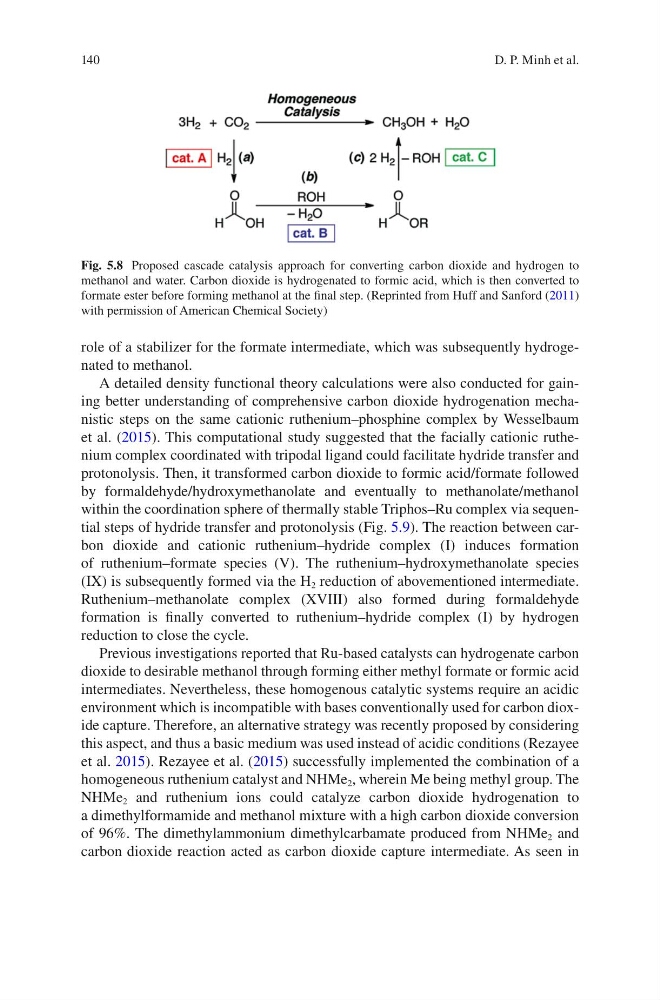
Fig. 5.8 Proposed cascade catalysis approach for converting carbon dioxide and hydrogen to
methanol and water. Carbon dioxide is hydrogenated to formic acid, which is then converted to
formate ester before forming methanol at the final step. (Reprinted from Huff and Sanford (2011)
with permission of American Chemical Society)
D. P. Minh et al.
role of a stabilizer for the formate intermediate, which was subsequently hydrogenated to methanol.
A detailed density functional theory calculations were also conducted for gaining better understanding of comprehensive carbon dioxide hydrogenation mechanistic steps on the same cationic ruthenium–phosphine complex by Wesselbaum
et al. (2015). This computational study suggested that the facially cationic ruthenium complex coordinated with tripodal ligand could facilitate hydride transfer and
protonolysis. Then, it transformed carbon dioxide to formic acid/formate followed
by formaldehyde/hydroxymethanolate and eventually to methanolate/methanol
within the coordination sphere of thermally stable Triphos–Ru complex via sequential steps of hydride transfer and protonolysis (Fig. 5.9). The reaction between carbon dioxide and cationic ruthenium–hydride complex (I) induces formation
of ruthenium–formate species (V). The ruthenium–hydroxymethanolate species
(IX) is subsequently formed via the H 2 reduction of abovementioned intermediate.
Ruthenium–methanolate complex (XVIII) also formed during formaldehyde
formation is finally converted to ruthenium–hydride complex (I) by hydrogen
reduction to close the cycle.
Previous investigations reported that Ru-based catalysts can hydrogenate carbon
dioxide to desirable methanol through forming either methyl formate or formic acid
intermediates. Nevertheless, these homogenous catalytic systems require an acidic
environment which is incompatible with bases conventionally used for carbon dioxide capture. Therefore, an alternative strategy was recently proposed by considering
this aspect, and thus a basic medium was used instead of acidic conditions (Rezayee
et al. 2015). Rezayee et al. (2015) successfully implemented the combination of a
homogeneous ruthenium catalyst and NHMe 2 , wherein Me being methyl group. The
NHMe 2 and ruthenium ions could catalyze carbon dioxide hydrogenation to
a dimethylformamide and methanol mixture with a high carbon dioxide conversion
of 96%. The dimethylammonium dimethylcarbamate produced from NHMe 2 and
carbon dioxide reaction acted as carbon dioxide capture intermediate. As seen in
Fig. 5.8 Proposed cascade catalysis approach for converting carbon dioxide and hydrogen to
methanol and water. Carbon dioxide is hydrogenated to formic acid, which is then converted to
formate ester before forming methanol at the final step. (Reprinted from Huff and Sanford (2011)
with permission of American Chemical Society)
D. P. Minh et al.