

the lymph node radioactivity, which was supposed to the homing of EVs derived
from macrophage cell lines. In contrast, EVs derived from neural stem cells did not
show any radioactivity in lymph nodes, which is added in the Supplementary
materials in the paper [38].
Another
99m Tc radiolabeling was reported using
99m
Tc-tricarbonyl [41].
99m Tc-tricarbonyl has been used for various radiolabeled biomolecules including
peptides and liposomes [42, 43]. It has a feature of nonspecific binding to amino
acids including histidine, methionine and cysteine. As EVs have various surface
proteins, the simple mixing them with
99m Tc-tricarbonyl can easily produce
99m Tc-radiolabeled EVs. The method was similar with
99m Tc-HMPAO labeling.
They extracted EVs from erythrocytes by ultracentrifugation. Extracted EVs were
incubated with
99m Tc-tricarbonyl complex solution at room temperature. After the
labeling, free
99m
Tc-tricarbonyl was removed by a desalting column. Using this
labeling method, SPECT imaging was successfully done and high accumulation of
EVs was found in liver and spleen. The distribution pattern was similar to
99m Tc-HMPAO labeled EVs.
So far, the above two methods have been reported to radiolabel EVs with using
99m Tc. Both methods were simple and radiolabeling was performed under
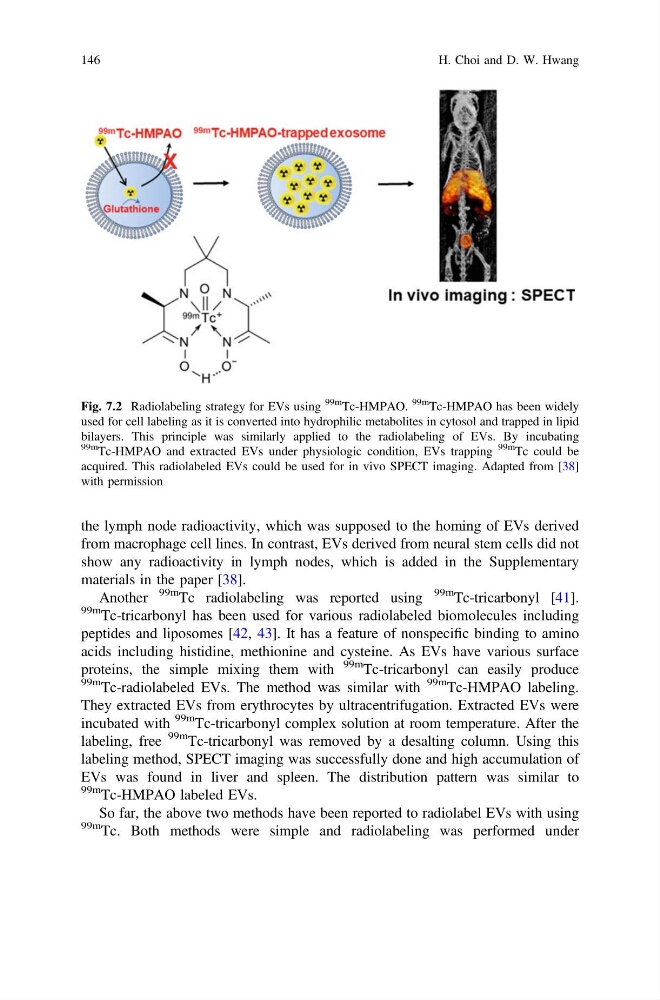
Fig. 7.2 Radiolabeling strategy for EVs using
99m
Tc-HMPAO.
99m Tc-HMPAO has been widely
used for cell labeling as it is converted into hydrophilic metabolites in cytosol and trapped in lipid
bilayers. This principle was similarly applied to the radiolabeling of EVs. By incubating
99m
Tc-HMPAO and extracted EVs under physiologic condition, EVs trapping
99m
Tc could be
acquired. This radiolabeled EVs could be used for in vivo SPECT imaging. Adapted from [38]
with permission
146
H. Choi and D. W. Hwang
from macrophage cell lines. In contrast, EVs derived from neural stem cells did not
show any radioactivity in lymph nodes, which is added in the Supplementary
materials in the paper [38].
Another
99m Tc radiolabeling was reported using
99m
Tc-tricarbonyl [41].
99m Tc-tricarbonyl has been used for various radiolabeled biomolecules including
peptides and liposomes [42, 43]. It has a feature of nonspecific binding to amino
acids including histidine, methionine and cysteine. As EVs have various surface
proteins, the simple mixing them with
99m Tc-tricarbonyl can easily produce
99m Tc-radiolabeled EVs. The method was similar with
99m Tc-HMPAO labeling.
They extracted EVs from erythrocytes by ultracentrifugation. Extracted EVs were
incubated with
99m Tc-tricarbonyl complex solution at room temperature. After the
labeling, free
99m
Tc-tricarbonyl was removed by a desalting column. Using this
labeling method, SPECT imaging was successfully done and high accumulation of
EVs was found in liver and spleen. The distribution pattern was similar to
99m Tc-HMPAO labeled EVs.
So far, the above two methods have been reported to radiolabel EVs with using
99m Tc. Both methods were simple and radiolabeling was performed under
Fig. 7.2 Radiolabeling strategy for EVs using
99m
Tc-HMPAO.
99m Tc-HMPAO has been widely
used for cell labeling as it is converted into hydrophilic metabolites in cytosol and trapped in lipid
bilayers. This principle was similarly applied to the radiolabeling of EVs. By incubating
99m
Tc-HMPAO and extracted EVs under physiologic condition, EVs trapping
99m
Tc could be
acquired. This radiolabeled EVs could be used for in vivo SPECT imaging. Adapted from [38]
with permission
146
H. Choi and D. W. Hwang