

2.7.2.5 Surfactant Foam Flushing
DNAPL recovery tests using surfactant foam flushing were conducted at laboratory
scale. As a first approach, tests with foams prepared before injection were effective
(S rnw ¼ 0.008), but the pressures generated could cause soil fracturing and heaving.
Therefore, Surfactant Alternating Gas (SAG) was developed to overcome problems
due to overpressure. The principle is to alternatively inject low pressure foam
followed by high surfactant concentration (micellar solubilization). The purification
yields were high (S rnw ¼ 0.01) (Maire et al. 2015; Maire and Fatin-Rouge 2017).
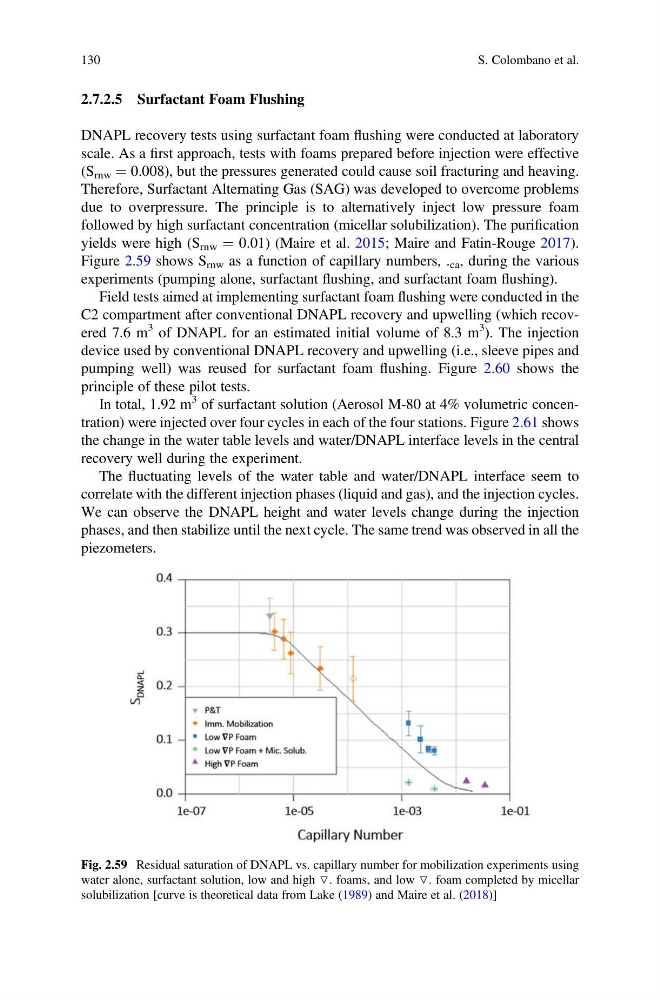
Figure 2.59 shows S rnw as a function of capillary numbers, . ca , during the various
experiments (pumping alone, surfactant flushing, and surfactant foam flushing).
Field tests aimed at implementing surfactant foam flushing were conducted in the
C2 compartment after conventional DNAPL recovery and upwelling (which recovered 7.6 m
3 of DNAPL for an estimated initial volume of 8.3 m
3 ). The injection
device used by conventional DNAPL recovery and upwelling (i.e., sleeve pipes and
pumping well) was reused for surfactant foam flushing. Figure 2.60 shows the
principle of these pilot tests.
In total, 1.92 m
3 of surfactant solution (Aerosol M-80 at 4% volumetric concentration) were injected over four cycles in each of the four stations. Figure 2.61 shows
the change in the water table levels and water/DNAPL interface levels in the central
recovery well during the experiment.
The fluctuating levels of the water table and water/DNAPL interface seem to
correlate with the different injection phases (liquid and gas), and the injection cycles.
We can observe the DNAPL height and water levels change during the injection
phases, and then stabilize until the next cycle. The same trend was observed in all the
piezometers.
Fig. 2.59 Residual saturation of DNAPL vs. capillary number for mobilization experiments using
water alone, surfactant solution, low and high ▽. foams, and low ▽. foam completed by micellar
solubilization [curve is theoretical data from Lake (1989) and Maire et al. (2018)]
130
S. Colombano et al.
DNAPL recovery tests using surfactant foam flushing were conducted at laboratory
scale. As a first approach, tests with foams prepared before injection were effective
(S rnw ¼ 0.008), but the pressures generated could cause soil fracturing and heaving.
Therefore, Surfactant Alternating Gas (SAG) was developed to overcome problems
due to overpressure. The principle is to alternatively inject low pressure foam
followed by high surfactant concentration (micellar solubilization). The purification
yields were high (S rnw ¼ 0.01) (Maire et al. 2015; Maire and Fatin-Rouge 2017).
Figure 2.59 shows S rnw as a function of capillary numbers, . ca , during the various
experiments (pumping alone, surfactant flushing, and surfactant foam flushing).
Field tests aimed at implementing surfactant foam flushing were conducted in the
C2 compartment after conventional DNAPL recovery and upwelling (which recovered 7.6 m
3 of DNAPL for an estimated initial volume of 8.3 m
3 ). The injection
device used by conventional DNAPL recovery and upwelling (i.e., sleeve pipes and
pumping well) was reused for surfactant foam flushing. Figure 2.60 shows the
principle of these pilot tests.
In total, 1.92 m
3 of surfactant solution (Aerosol M-80 at 4% volumetric concentration) were injected over four cycles in each of the four stations. Figure 2.61 shows
the change in the water table levels and water/DNAPL interface levels in the central
recovery well during the experiment.
The fluctuating levels of the water table and water/DNAPL interface seem to
correlate with the different injection phases (liquid and gas), and the injection cycles.
We can observe the DNAPL height and water levels change during the injection
phases, and then stabilize until the next cycle. The same trend was observed in all the
piezometers.
Fig. 2.59 Residual saturation of DNAPL vs. capillary number for mobilization experiments using
water alone, surfactant solution, low and high ▽. foams, and low ▽. foam completed by micellar
solubilization [curve is theoretical data from Lake (1989) and Maire et al. (2018)]
130
S. Colombano et al.