

underestimated since testing had to be stopped. However, it is unlikely that 0.6 m
3
could have been reached (value corresponding to the theoretical residual DNAPL
saturation, S rnw , of 0.27 predicted by laboratory results).
At the end of the experiments, no DNAPL was observed at the monitoring/
injection wells. However, drilling for final monitoring revealed the presence of
DNAPL droplets in the collected samples.
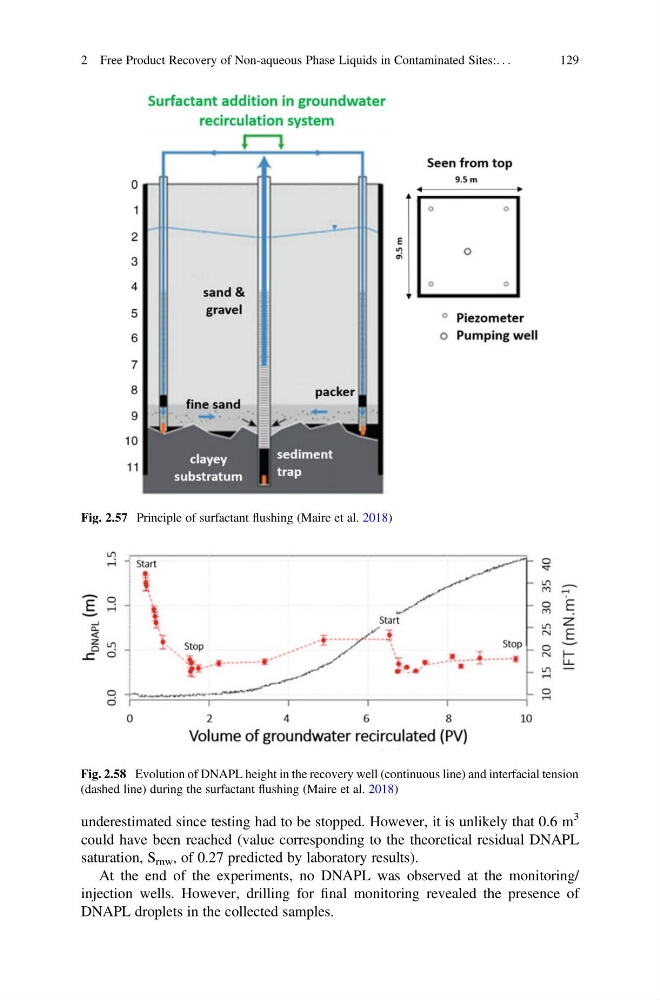
Fig. 2.57 Principle of surfactant flushing (Maire et al. 2018)
Fig. 2.58 Evolution of DNAPL height in the recovery well (continuous line) and interfacial tension
(dashed line) during the surfactant flushing (Maire et al. 2018)
2 Free Product Recovery of Non-aqueous Phase Liquids in Contaminated Sites:. . .
129
3
could have been reached (value corresponding to the theoretical residual DNAPL
saturation, S rnw , of 0.27 predicted by laboratory results).
At the end of the experiments, no DNAPL was observed at the monitoring/
injection wells. However, drilling for final monitoring revealed the presence of
DNAPL droplets in the collected samples.
Fig. 2.57 Principle of surfactant flushing (Maire et al. 2018)
Fig. 2.58 Evolution of DNAPL height in the recovery well (continuous line) and interfacial tension
(dashed line) during the surfactant flushing (Maire et al. 2018)
2 Free Product Recovery of Non-aqueous Phase Liquids in Contaminated Sites:. . .
129