

How could this residual groundwater TPH concentration be achieved? Various
treatment techniques could be used for the dissolved phase: in situ chemical oxidation, in situ flushing, permeable reactive barrier, partial treatment of the dissolved
phase coupled with Monitored Natural Attenuation (MNA), and bioventing/
biosparging. Chemical oxidation was not considered as an option because such
chemical treatment may potentially damage the foundations of the factory buildings.
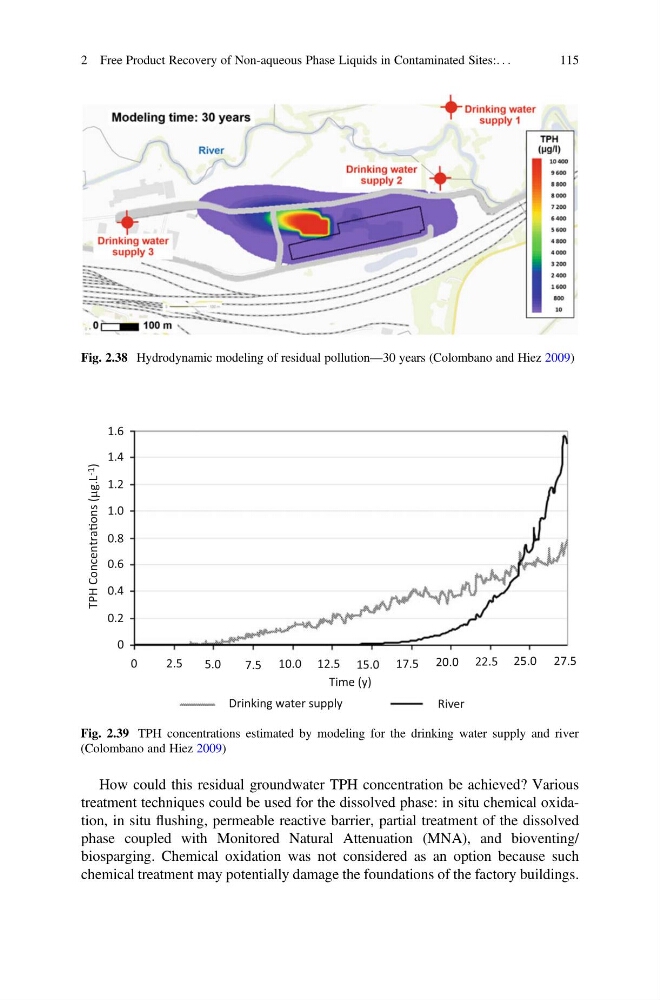
Fig. 2.38 Hydrodynamic modeling of residual pollution—30 years (Colombano and Hiez 2009)
Drinking water supply
River
TPH ConcentraƟons (µg.L -1
)
Time (y)
2.5
5.0
7.5 10.0 12.5 15.0 17.5 20.0 22.5 25.0 27.5
0.2
0.6
0.4
1.0
0.8
1.6
0
1.4
1.2
0
Fig. 2.39 TPH concentrations estimated by modeling for the drinking water supply and river
(Colombano and Hiez 2009)
2 Free Product Recovery of Non-aqueous Phase Liquids in Contaminated Sites:. . .
115
treatment techniques could be used for the dissolved phase: in situ chemical oxidation, in situ flushing, permeable reactive barrier, partial treatment of the dissolved
phase coupled with Monitored Natural Attenuation (MNA), and bioventing/
biosparging. Chemical oxidation was not considered as an option because such
chemical treatment may potentially damage the foundations of the factory buildings.
Fig. 2.38 Hydrodynamic modeling of residual pollution—30 years (Colombano and Hiez 2009)
Drinking water supply
River
TPH ConcentraƟons (µg.L -1
)
Time (y)
2.5
5.0
7.5 10.0 12.5 15.0 17.5 20.0 22.5 25.0 27.5
0.2
0.6
0.4
1.0
0.8
1.6
0
1.4
1.2
0
Fig. 2.39 TPH concentrations estimated by modeling for the drinking water supply and river
(Colombano and Hiez 2009)
2 Free Product Recovery of Non-aqueous Phase Liquids in Contaminated Sites:. . .
115