

708
terms that were not empty. This impossible paradox assumed the power of the susurrus, harmonic echoes that might yet linger in the unknowable. He described emptiness as “a nonimplicative negation (med dgag)”,
10
certainly not the most
unambiguous of attributes. In fact, assessing pan-Asiatic spirituality’s embrace of
the concept of illusion (the indescribable maya in Brahmanical tradition), he revives
a very central debate that enlists Jain, Hindu, Buddhist, and other mainstream contentions each calling into question the Why? Why rescue a horse, or be generous, or
do anything in a world that does not exist?.
11
Mipham’s answer is conditioned upon
what he terms “the power of interdependent origination,” the fact that dialectical
10 op.cit., Padmakara Group, p. 82.
11 ibid., p. 89.
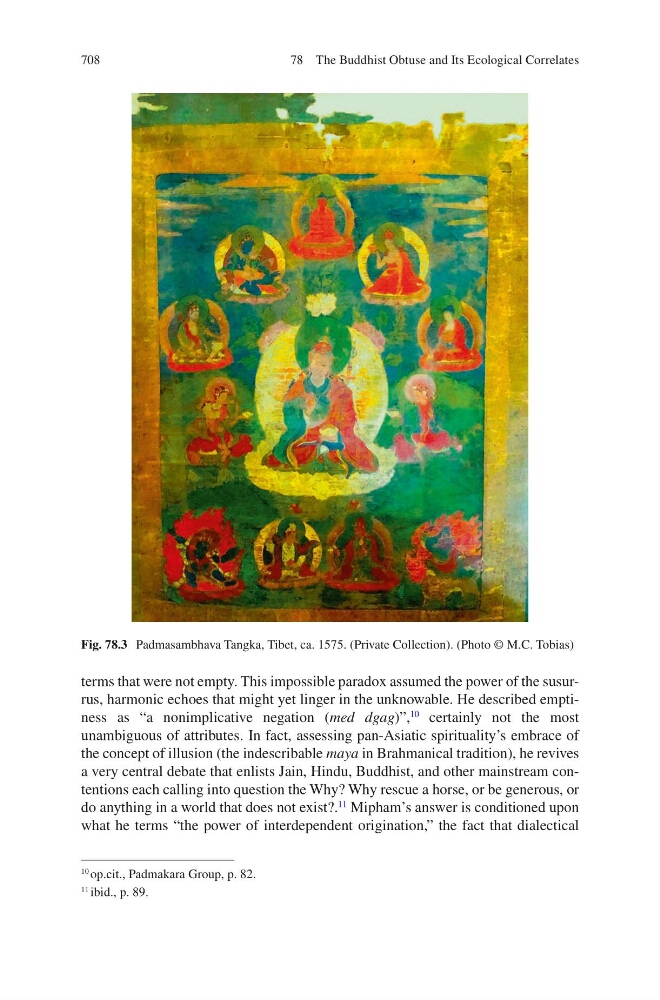
Fig. 78.3 Padmasambhava Tangka, Tibet, ca. 1575. (Private Collection). (Photo © M.C. Tobias)
78 The Buddhist Obtuse and Its Ecological Correlates