

thought that the pathway to antibiosis had an intermediate stage which be called
facultative parasitism. Ward believed that the opposite pathway, which resulted in
symbiosis, had an intermediate stage of metabiosis.
Fig. 26.2 A photograph of Harry Marshall Ward. Marshall Ward was born March 21, 1854 in
Hereford, England and died August 26, 1906 in Torquay, England. Ward gave us the interpretation
that chance encounters between members of two species can, over time, follow two pathways (Ward
1899) with one of those pathways eventually resulting in antibiosis and the other pathway resulting
in symbiosis. This picture is considered to be free of copyright due to its age
Antibiosis.
Symbiosis.
Metabiosis.
Disjunctive––association.
Facultative parasitism.
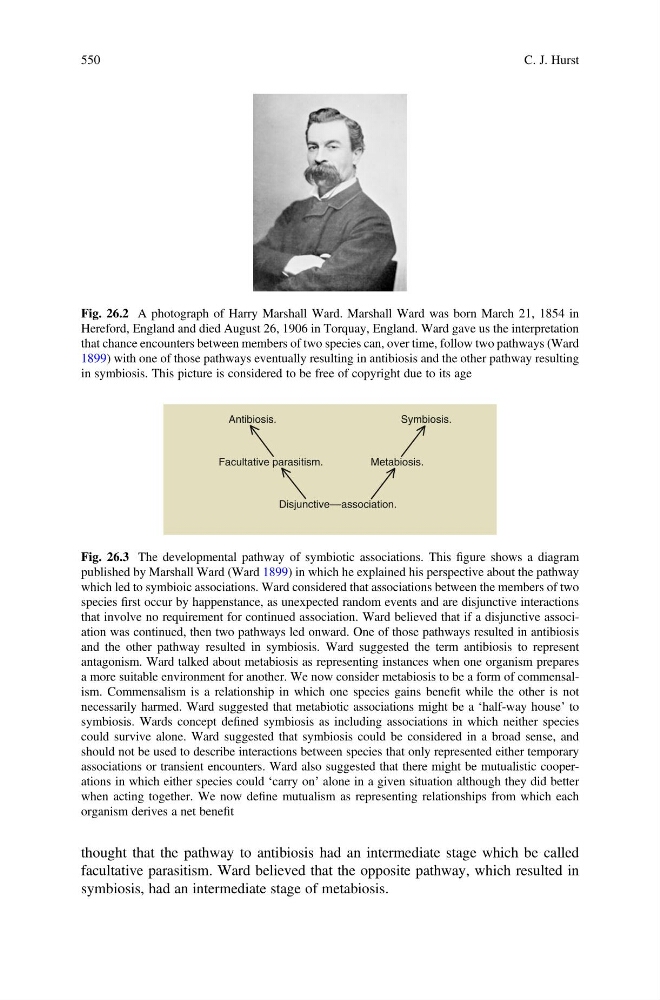
Fig. 26.3 The developmental pathway of symbiotic associations. This figure shows a diagram
published by Marshall Ward (Ward 1899) in which he explained his perspective about the pathway
which led to symbioic associations. Ward considered that associations between the members of two
species first occur by happenstance, as unexpected random events and are disjunctive interactions
that involve no requirement for continued association. Ward believed that if a disjunctive association was continued, then two pathways led onward. One of those pathways resulted in antibiosis
and the other pathway resulted in symbiosis. Ward suggested the term antibiosis to represent
antagonism. Ward talked about metabiosis as representing instances when one organism prepares
a more suitable environment for another. We now consider metabiosis to be a form of commensalism. Commensalism is a relationship in which one species gains benefit while the other is not
necessarily harmed. Ward suggested that metabiotic associations might be a ‘half-way house’ to
symbiosis. Wards concept defined symbiosis as including associations in which neither species
could survive alone. Ward suggested that symbiosis could be considered in a broad sense, and
should not be used to describe interactions between species that only represented either temporary
associations or transient encounters. Ward also suggested that there might be mutualistic cooperations in which either species could ‘carry on’ alone in a given situation although they did better
when acting together. We now define mutualism as representing relationships from which each
organism derives a net benefit
550
C. J. Hurst
facultative parasitism. Ward believed that the opposite pathway, which resulted in
symbiosis, had an intermediate stage of metabiosis.
Fig. 26.2 A photograph of Harry Marshall Ward. Marshall Ward was born March 21, 1854 in
Hereford, England and died August 26, 1906 in Torquay, England. Ward gave us the interpretation
that chance encounters between members of two species can, over time, follow two pathways (Ward
1899) with one of those pathways eventually resulting in antibiosis and the other pathway resulting
in symbiosis. This picture is considered to be free of copyright due to its age
Antibiosis.
Symbiosis.
Metabiosis.
Disjunctive––association.
Facultative parasitism.
Fig. 26.3 The developmental pathway of symbiotic associations. This figure shows a diagram
published by Marshall Ward (Ward 1899) in which he explained his perspective about the pathway
which led to symbioic associations. Ward considered that associations between the members of two
species first occur by happenstance, as unexpected random events and are disjunctive interactions
that involve no requirement for continued association. Ward believed that if a disjunctive association was continued, then two pathways led onward. One of those pathways resulted in antibiosis
and the other pathway resulted in symbiosis. Ward suggested the term antibiosis to represent
antagonism. Ward talked about metabiosis as representing instances when one organism prepares
a more suitable environment for another. We now consider metabiosis to be a form of commensalism. Commensalism is a relationship in which one species gains benefit while the other is not
necessarily harmed. Ward suggested that metabiotic associations might be a ‘half-way house’ to
symbiosis. Wards concept defined symbiosis as including associations in which neither species
could survive alone. Ward suggested that symbiosis could be considered in a broad sense, and
should not be used to describe interactions between species that only represented either temporary
associations or transient encounters. Ward also suggested that there might be mutualistic cooperations in which either species could ‘carry on’ alone in a given situation although they did better
when acting together. We now define mutualism as representing relationships from which each
organism derives a net benefit
550
C. J. Hurst