

species. Interactions with other taxonomic groups that are more broadly or narrowly
defined than species, also are represented by complexity at the surface of the niche.
The niches of different groups that interact with one another can interlock. Perhaps
an easy way to imagine this idea is by loosely interlocking the fingers of your hands,
and them perceiving that the interlocking of your fingers represents the way in which
niches interlock.
Each species, and indeed each higher taxonomic group, will try to occupy as
much niche space as it can.
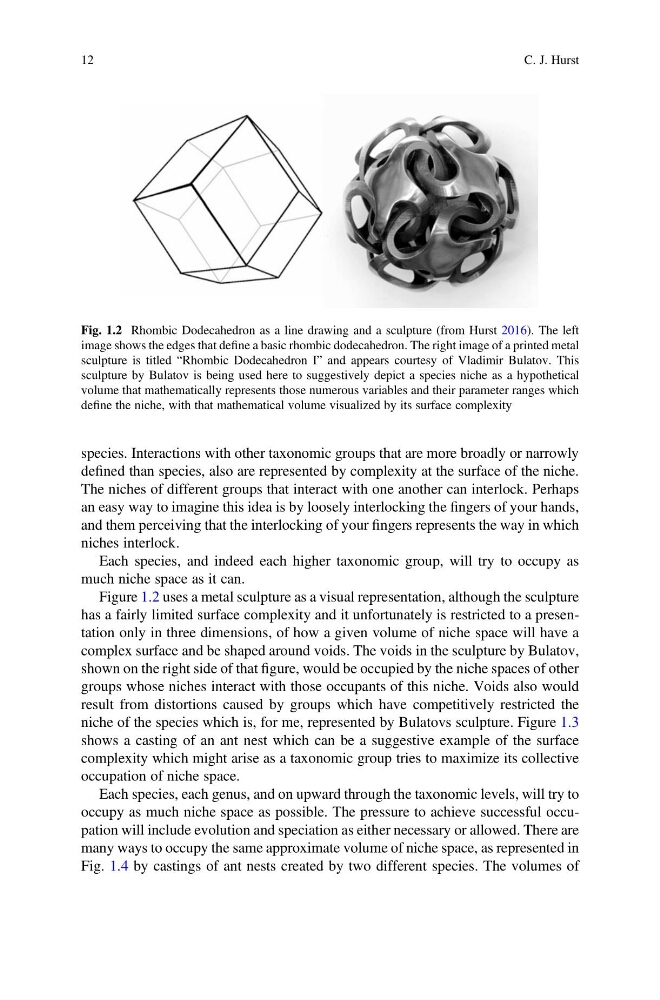
Figure 1.2 uses a metal sculpture as a visual representation, although the sculpture
has a fairly limited surface complexity and it unfortunately is restricted to a presentation only in three dimensions, of how a given volume of niche space will have a
complex surface and be shaped around voids. The voids in the sculpture by Bulatov,
shown on the right side of that figure, would be occupied by the niche spaces of other
groups whose niches interact with those occupants of this niche. Voids also would
result from distortions caused by groups which have competitively restricted the
niche of the species which is, for me, represented by Bulatovs sculpture. Figure 1.3
shows a casting of an ant nest which can be a suggestive example of the surface
complexity which might arise as a taxonomic group tries to maximize its collective
occupation of niche space.
Each species, each genus, and on upward through the taxonomic levels, will try to
occupy as much niche space as possible. The pressure to achieve successful occupation will include evolution and speciation as either necessary or allowed. There are
many ways to occupy the same approximate volume of niche space, as represented in
Fig. 1.4 by castings of ant nests created by two different species. The volumes of
Fig. 1.2 Rhombic Dodecahedron as a line drawing and a sculpture (from Hurst 2016). The left
image shows the edges that define a basic rhombic dodecahedron. The right image of a printed metal
sculpture is titled “Rhombic Dodecahedron I” and appears courtesy of Vladimir Bulatov. This
sculpture by Bulatov is being used here to suggestively depict a species niche as a hypothetical
volume that mathematically represents those numerous variables and their parameter ranges which
define the niche, with that mathematical volume visualized by its surface complexity
12
C. J. Hurst
defined than species, also are represented by complexity at the surface of the niche.
The niches of different groups that interact with one another can interlock. Perhaps
an easy way to imagine this idea is by loosely interlocking the fingers of your hands,
and them perceiving that the interlocking of your fingers represents the way in which
niches interlock.
Each species, and indeed each higher taxonomic group, will try to occupy as
much niche space as it can.
Figure 1.2 uses a metal sculpture as a visual representation, although the sculpture
has a fairly limited surface complexity and it unfortunately is restricted to a presentation only in three dimensions, of how a given volume of niche space will have a
complex surface and be shaped around voids. The voids in the sculpture by Bulatov,
shown on the right side of that figure, would be occupied by the niche spaces of other
groups whose niches interact with those occupants of this niche. Voids also would
result from distortions caused by groups which have competitively restricted the
niche of the species which is, for me, represented by Bulatovs sculpture. Figure 1.3
shows a casting of an ant nest which can be a suggestive example of the surface
complexity which might arise as a taxonomic group tries to maximize its collective
occupation of niche space.
Each species, each genus, and on upward through the taxonomic levels, will try to
occupy as much niche space as possible. The pressure to achieve successful occupation will include evolution and speciation as either necessary or allowed. There are
many ways to occupy the same approximate volume of niche space, as represented in
Fig. 1.4 by castings of ant nests created by two different species. The volumes of
Fig. 1.2 Rhombic Dodecahedron as a line drawing and a sculpture (from Hurst 2016). The left
image shows the edges that define a basic rhombic dodecahedron. The right image of a printed metal
sculpture is titled “Rhombic Dodecahedron I” and appears courtesy of Vladimir Bulatov. This
sculpture by Bulatov is being used here to suggestively depict a species niche as a hypothetical
volume that mathematically represents those numerous variables and their parameter ranges which
define the niche, with that mathematical volume visualized by its surface complexity
12
C. J. Hurst