

52], and methylene blue [40–44, 112, 113]. The adsorption of pyronin Y (Scheme 1)
has been examined in aqueous suspensions of smectites (Wyoming bentonite from
Wards Natural Establishment Inc., a natural bentonite from Ünye, Turkey and
LP-XLG) [49, 114]. Depending on the concentration and the dye-clay ratios, the
absorption shifted, which has been explained as a result of the interactions between
pyronin Y and silicate layer as well as the dye aggregation, although this latter effect
will be exhaustively explained in Sect. 4.1.2. Thiazine dyes such as thionine [51],
methylene blue [41, 42, 51], and tetraethyl thionine [51] (Scheme 1) showed
hypsochromic shifts in clay suspensions [41, 51]. Thionine had absorption at
595 and 560 nm in an aqueous solution, which were attributed to a π-π
à transition
of monomer and the absorption of H-dimer (see further details on aggregation types
in Sect. 4.2.1), respectively [51]. By the addition of a Na-montmorillonite, a new
absorption appeared at 528 nm, which was proposed to be caused by the interactions
between the π-electron of thionine and the oxygen of the silicate layers, and another
new absorption at 690 nm appeared, which was ascribed to J-aggregate (consult
Sect. 4.1.2). Methylene blue [40, 115] and tetraethyl thionine [51] also showed
hypsochromic shifts of monomer and a new absorption appeared by the addition of a
montmorillonite. In LP-XLG, the absorption of thionine and tetraethyl thionine did
not shift compared to the solution [51]. It was thought that the thionines had weaker
π-interactions with the silicate layer than those with the bentonites. In the presence of
a vermiculite (obtained from Zonolite), the absorption of the dimer increased and
that of the monomer decreased, while the absorption shift was not observed
[51]. The authors thought that the limited interlayer expansion for the vermiculite
restricted the molecular conformation of thiazines to interact with the vermiculate.
Thus, the hypsochromic shifts of the absorption of the dimers of pyronin and
thiazines in the clay suspensions were observed by the interactions between lone
pair of oxygen atom of silicate layer and π-electron of dyes. It suggested that the
pyronin formed dimer in an aqueous solution, while it was de-aggregated and
adsorbed in the interlayer space of the clays. The polarized IR spectra of the film
of pyronin Y in LP-XLG and the Wyoming montmorillonite [49] suggested that the
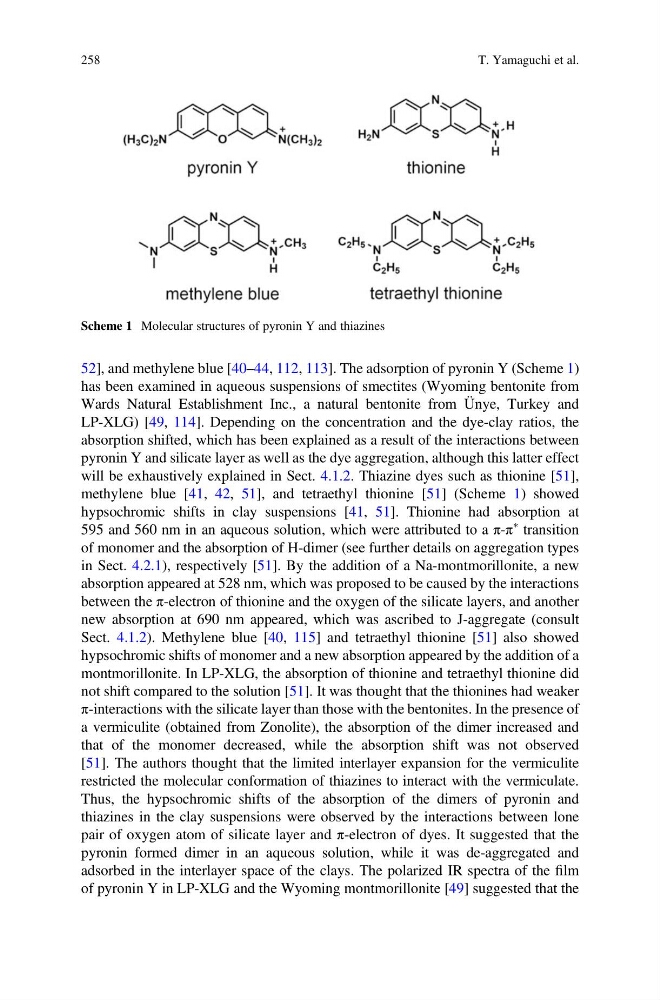
Scheme 1 Molecular structures of pyronin Y and thiazines
258
T. Yamaguchi et al.
has been examined in aqueous suspensions of smectites (Wyoming bentonite from
Wards Natural Establishment Inc., a natural bentonite from Ünye, Turkey and
LP-XLG) [49, 114]. Depending on the concentration and the dye-clay ratios, the
absorption shifted, which has been explained as a result of the interactions between
pyronin Y and silicate layer as well as the dye aggregation, although this latter effect
will be exhaustively explained in Sect. 4.1.2. Thiazine dyes such as thionine [51],
methylene blue [41, 42, 51], and tetraethyl thionine [51] (Scheme 1) showed
hypsochromic shifts in clay suspensions [41, 51]. Thionine had absorption at
595 and 560 nm in an aqueous solution, which were attributed to a π-π
à transition
of monomer and the absorption of H-dimer (see further details on aggregation types
in Sect. 4.2.1), respectively [51]. By the addition of a Na-montmorillonite, a new
absorption appeared at 528 nm, which was proposed to be caused by the interactions
between the π-electron of thionine and the oxygen of the silicate layers, and another
new absorption at 690 nm appeared, which was ascribed to J-aggregate (consult
Sect. 4.1.2). Methylene blue [40, 115] and tetraethyl thionine [51] also showed
hypsochromic shifts of monomer and a new absorption appeared by the addition of a
montmorillonite. In LP-XLG, the absorption of thionine and tetraethyl thionine did
not shift compared to the solution [51]. It was thought that the thionines had weaker
π-interactions with the silicate layer than those with the bentonites. In the presence of
a vermiculite (obtained from Zonolite), the absorption of the dimer increased and
that of the monomer decreased, while the absorption shift was not observed
[51]. The authors thought that the limited interlayer expansion for the vermiculite
restricted the molecular conformation of thiazines to interact with the vermiculate.
Thus, the hypsochromic shifts of the absorption of the dimers of pyronin and
thiazines in the clay suspensions were observed by the interactions between lone
pair of oxygen atom of silicate layer and π-electron of dyes. It suggested that the
pyronin formed dimer in an aqueous solution, while it was de-aggregated and
adsorbed in the interlayer space of the clays. The polarized IR spectra of the film
of pyronin Y in LP-XLG and the Wyoming montmorillonite [49] suggested that the
Scheme 1 Molecular structures of pyronin Y and thiazines
258
T. Yamaguchi et al.