

a common interlayer space formed by a face-to-face association. In the interlayer
thus formed, the dye concentration increases to twice the value that it was prior to the
coupling of the particles. From this point of view, the destabilization of colloids
followed by the interparticle association is a significant factor that can also contribute to an increased FRET efficiency, but also to other, undesirable effects such as
molecular aggregation and enhanced light scattering. Colloidal systems have been
frequently used as the precursors of hybrid solid materials or thin solid films. By
associating multiple particles into larger agglomerates, the character of the FRET is
also changed from two- to three-dimensional. Substantially higher yields are
achieved for three-dimensional FRET, although the dye/substrate ratio remains the
same [11, 31, 45].
The model of the distribution of dye molecules shown above considers a
completely random distribution of both ED and EA molecules on both the adjacent
planes of the surface of particles, without any preference to either side. However,
more complex views on this topic have been reported, and segregation of the
molecules has also been considered [34, 52, 53]. The ways in which the molecules
can be distributed on the surface of particles is shown in the scheme (Fig. 7). The first
hypothesis on the possible segregation occurring in hybrid colloidal systems was
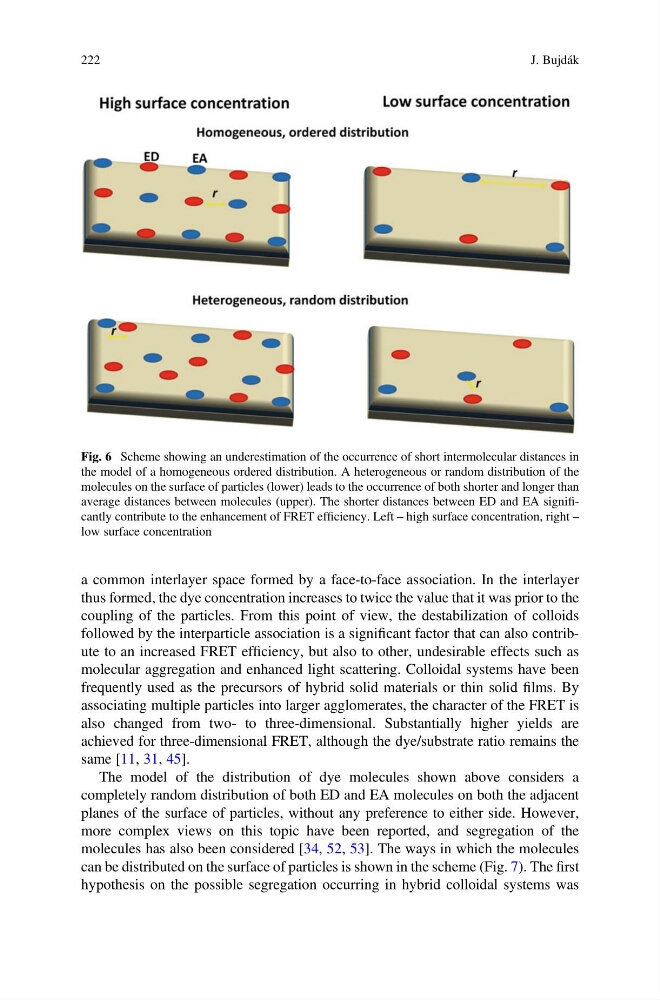
Fig. 6 Scheme showing an underestimation of the occurrence of short intermolecular distances in
the model of a homogeneous ordered distribution. A heterogeneous or random distribution of the
molecules on the surface of particles (lower) leads to the occurrence of both shorter and longer than
average distances between molecules (upper). The shorter distances between ED and EA significantly contribute to the enhancement of FRET efficiency. Left – high surface concentration, right –
low surface concentration
222
J. Bujdák
thus formed, the dye concentration increases to twice the value that it was prior to the
coupling of the particles. From this point of view, the destabilization of colloids
followed by the interparticle association is a significant factor that can also contribute to an increased FRET efficiency, but also to other, undesirable effects such as
molecular aggregation and enhanced light scattering. Colloidal systems have been
frequently used as the precursors of hybrid solid materials or thin solid films. By
associating multiple particles into larger agglomerates, the character of the FRET is
also changed from two- to three-dimensional. Substantially higher yields are
achieved for three-dimensional FRET, although the dye/substrate ratio remains the
same [11, 31, 45].
The model of the distribution of dye molecules shown above considers a
completely random distribution of both ED and EA molecules on both the adjacent
planes of the surface of particles, without any preference to either side. However,
more complex views on this topic have been reported, and segregation of the
molecules has also been considered [34, 52, 53]. The ways in which the molecules
can be distributed on the surface of particles is shown in the scheme (Fig. 7). The first
hypothesis on the possible segregation occurring in hybrid colloidal systems was
Fig. 6 Scheme showing an underestimation of the occurrence of short intermolecular distances in
the model of a homogeneous ordered distribution. A heterogeneous or random distribution of the
molecules on the surface of particles (lower) leads to the occurrence of both shorter and longer than
average distances between molecules (upper). The shorter distances between ED and EA significantly contribute to the enhancement of FRET efficiency. Left – high surface concentration, right –
low surface concentration
222
J. Bujdák