

Valorisation of whey 165
sweet whey and acid whey (Jelen, 2011; Panesar, Kennedy, Gandhi & Bunko,
2007). Sweet whey is a by- product from white hard cheese production, and
can be used to produce a range of functional and nutritional foods (see 9.3.3
and 9.4.3). Different qualities of acid whey are derived from the production
of Greek yoghurt, Quark, Icelandic skyr, cream cheese and cottage cheese. A
variant of acid whey is casein whey, which is derived from the production of
calcium caseinate. Calcium caseinate is a protein produced from casein (milk
protein) in skim milk and is used in coffee creamers and instant soups and as a
dietary supplement by athletes. While some studies such as (Jelen, 2011) often
refer to casein whey as ‘acid casein whey’ or simply ‘acid whey’, in this
chapter we make a distinction between acid casein whey and acid whey
derived from the production of Greek yoghurt, skyr and cream/cottage
cheese, due to the significant differences in properties and potential uses
between the two variants of acid whey (interview with AFI).
Both sweet whey and acid whey are composed mainly of water (93%)
while the solid components consist of minerals (12–15%), lactose (70–72%)
and whey proteins (8–10%) (Jelen, 2011). The largest difference between acid
whey and sweet whey is the pH, which lies within 6.0–6.5 for sweet whey
(Jelen, 2011) and 3.6–4.5 for acid whey (Gami, Godwin, Czymmek, Ganoe
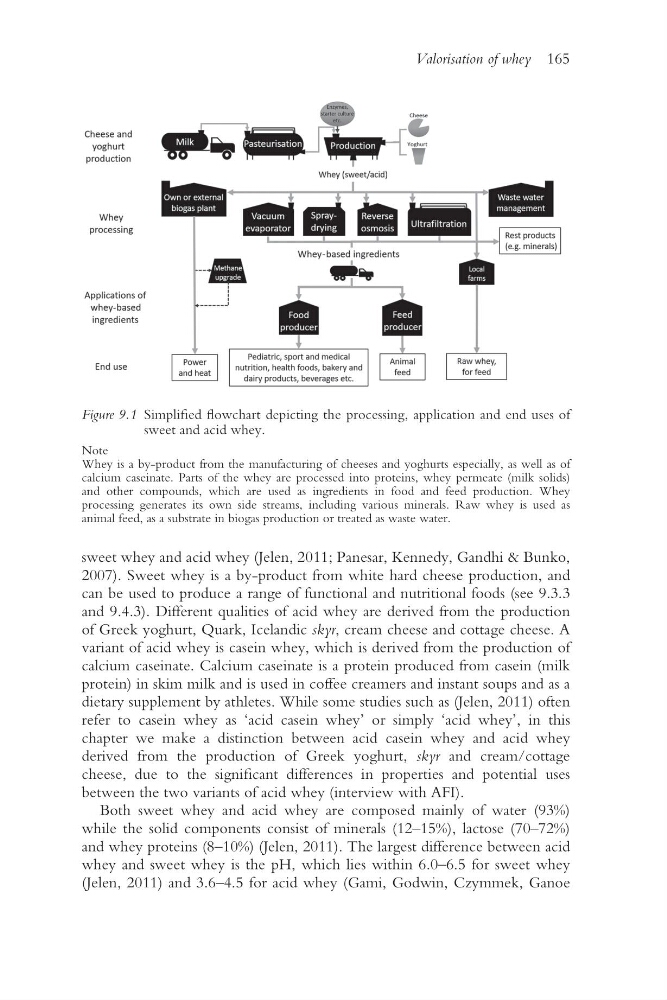
Figure 9.1 Simplified flowchart depicting the processing, application and end uses of
sweet and acid whey.
Note
Whey is a by-product from the manufacturing of cheeses and yoghurts especially, as well as of
calcium caseinate. Parts of the whey are processed into proteins, whey permeate (milk solids)
and other compounds, which are used as ingredients in food and feed production. Whey
processing generates its own side streams, including various minerals. Raw whey is used as
animal feed, as a substrate in biogas production or treated as waste water.
sweet whey and acid whey (Jelen, 2011; Panesar, Kennedy, Gandhi & Bunko,
2007). Sweet whey is a by- product from white hard cheese production, and
can be used to produce a range of functional and nutritional foods (see 9.3.3
and 9.4.3). Different qualities of acid whey are derived from the production
of Greek yoghurt, Quark, Icelandic skyr, cream cheese and cottage cheese. A
variant of acid whey is casein whey, which is derived from the production of
calcium caseinate. Calcium caseinate is a protein produced from casein (milk
protein) in skim milk and is used in coffee creamers and instant soups and as a
dietary supplement by athletes. While some studies such as (Jelen, 2011) often
refer to casein whey as ‘acid casein whey’ or simply ‘acid whey’, in this
chapter we make a distinction between acid casein whey and acid whey
derived from the production of Greek yoghurt, skyr and cream/cottage
cheese, due to the significant differences in properties and potential uses
between the two variants of acid whey (interview with AFI).
Both sweet whey and acid whey are composed mainly of water (93%)
while the solid components consist of minerals (12–15%), lactose (70–72%)
and whey proteins (8–10%) (Jelen, 2011). The largest difference between acid
whey and sweet whey is the pH, which lies within 6.0–6.5 for sweet whey
(Jelen, 2011) and 3.6–4.5 for acid whey (Gami, Godwin, Czymmek, Ganoe
Figure 9.1 Simplified flowchart depicting the processing, application and end uses of
sweet and acid whey.
Note
Whey is a by-product from the manufacturing of cheeses and yoghurts especially, as well as of
calcium caseinate. Parts of the whey are processed into proteins, whey permeate (milk solids)
and other compounds, which are used as ingredients in food and feed production. Whey
processing generates its own side streams, including various minerals. Raw whey is used as
animal feed, as a substrate in biogas production or treated as waste water.