

4 Notes
1. Any standard chip bearing a 96-nucleotide DNA probe would
be suitable for switchSENSE
® studies of large complexes such
as the ribosome. Here a yellow probe was used due to specifications of our DRX instrument. A MPC-96-2-Y1-S chip with
NLA and NLB electrodes is used here. As a consequence,
cNLA is always included (at a 500 nM concentration) in any
hybridization solution in order to protect NLA electrodes. This
would be dispensable with a MPC-96-1-Y1-S chip.
2. Buffer restriction for proximity sensing experiments are less
restrictive than for the switching mode (up to ~1.5 M in salts
vs up to ~150 mM).
3. CrPV IGR IRES—cNLB96 oligonucleotide RNA sequence.
(5
0 CAACAAATATTAATACGACTCACTATAGCAAAAA
UGUGAUCUUGCUUGUAAAUACAAUUUUGAGAG
GUUAAUAAAUUACAAGUAGUGCUAUUUUUGUA
UUUAGGUUAGCUAUUUAGCUUUACGUUCCAGG
AUGCCUAGUGGCAGCCCCACAAUAUCCAGGAAG
CCCUCUCUGCGGUUUUUCAGAUUAGGUAGUCG
AAAAACCUAAGAAAUUUACCUGCUACAUUUCAAG
AUACCGAAGACGCCAAAAACAUCAGGAACUACAGGG
UGCCCUACUUGCUCUCGGAGGUACUGUAACUAAU
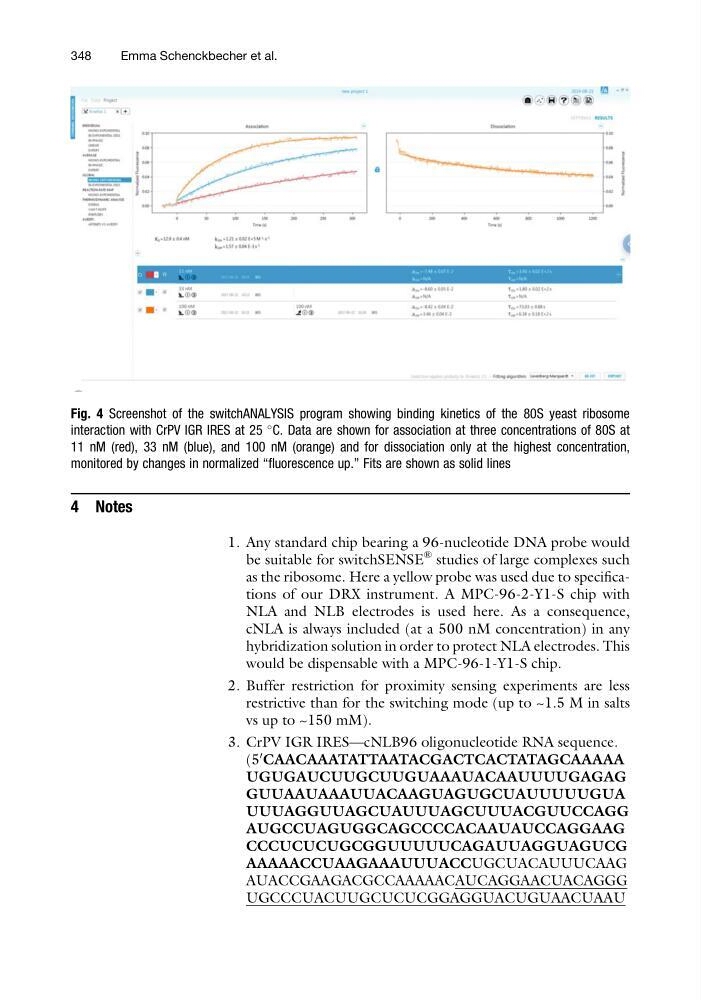
Fig. 4 Screenshot of the switchANALYSIS program showing binding kinetics of the 80S yeast ribosome
interaction with CrPV IGR IRES at 25
C. Data are shown for association at three concentrations of 80S at
11 nM (red), 33 nM (blue), and 100 nM (orange) and for dissociation only at the highest concentration,
monitored by changes in normalized “fluorescence up.” Fits are shown as solid lines
348
Emma Schenckbecher et al.
1. Any standard chip bearing a 96-nucleotide DNA probe would
be suitable for switchSENSE
® studies of large complexes such
as the ribosome. Here a yellow probe was used due to specifications of our DRX instrument. A MPC-96-2-Y1-S chip with
NLA and NLB electrodes is used here. As a consequence,
cNLA is always included (at a 500 nM concentration) in any
hybridization solution in order to protect NLA electrodes. This
would be dispensable with a MPC-96-1-Y1-S chip.
2. Buffer restriction for proximity sensing experiments are less
restrictive than for the switching mode (up to ~1.5 M in salts
vs up to ~150 mM).
3. CrPV IGR IRES—cNLB96 oligonucleotide RNA sequence.
(5
0 CAACAAATATTAATACGACTCACTATAGCAAAAA
UGUGAUCUUGCUUGUAAAUACAAUUUUGAGAG
GUUAAUAAAUUACAAGUAGUGCUAUUUUUGUA
UUUAGGUUAGCUAUUUAGCUUUACGUUCCAGG
AUGCCUAGUGGCAGCCCCACAAUAUCCAGGAAG
CCCUCUCUGCGGUUUUUCAGAUUAGGUAGUCG
AAAAACCUAAGAAAUUUACCUGCUACAUUUCAAG
AUACCGAAGACGCCAAAAACAUCAGGAACUACAGGG
UGCCCUACUUGCUCUCGGAGGUACUGUAACUAAU
Fig. 4 Screenshot of the switchANALYSIS program showing binding kinetics of the 80S yeast ribosome
interaction with CrPV IGR IRES at 25
C. Data are shown for association at three concentrations of 80S at
11 nM (red), 33 nM (blue), and 100 nM (orange) and for dissociation only at the highest concentration,
monitored by changes in normalized “fluorescence up.” Fits are shown as solid lines
348
Emma Schenckbecher et al.