

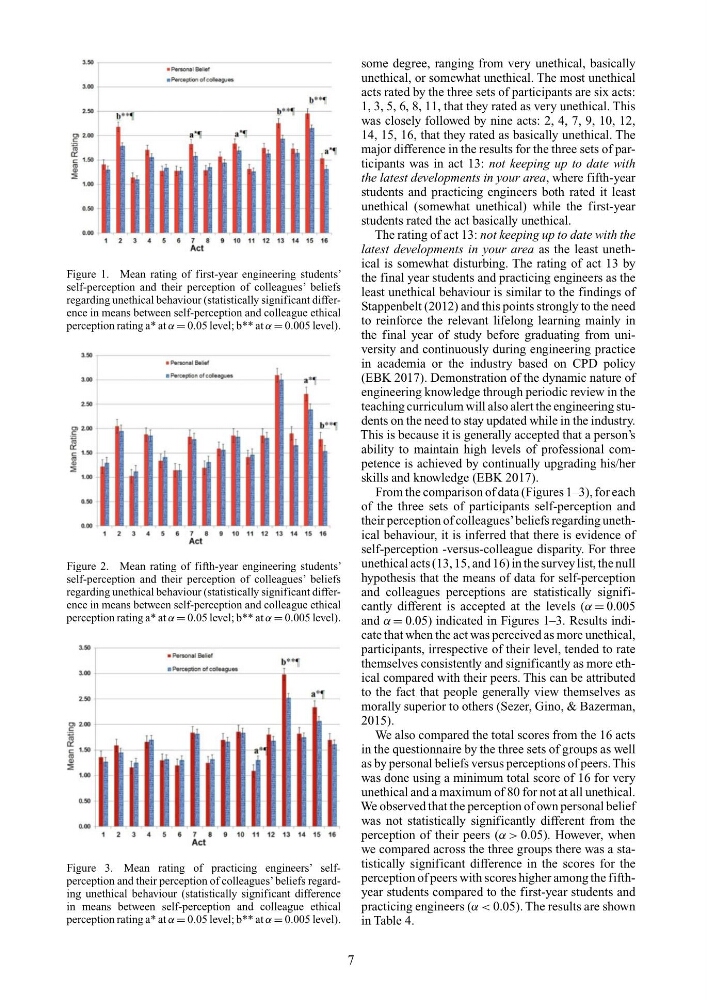
Figure 1. Mean rating of first-year engineering students’
self-perception and their perception of colleagues’ beliefs
regarding unethical behaviour (statistically significant difference in means between self-perception and colleague ethical
perception rating a* at α = 0.05 level; b** at α = 0.005 level).
Figure 2. Mean rating of fifth-year engineering students’
self-perception and their perception of colleagues’ beliefs
regarding unethical behaviour (statistically significant difference in means between self-perception and colleague ethical
perception rating a* at α = 0.05 level; b** at α = 0.005 level).
Figure 3. Mean rating of practicing engineers’ selfperception and their perception of colleagues’ beliefs regarding unethical behaviour (statistically significant difference
in means between self-perception and colleague ethical
perception rating a* at α = 0.05 level; b** at α = 0.005 level).
some degree, ranging from very unethical, basically
unethical, or somewhat unethical. The most unethical
acts rated by the three sets of participants are six acts:
1, 3, 5, 6, 8, 11, that they rated as very unethical. This
was closely followed by nine acts: 2, 4, 7, 9, 10, 12,
14, 15, 16, that they rated as basically unethical. The
major difference in the results for the three sets of participants was in act 13: not keeping up to date with
the latest developments in your area, where fifth-year
students and practicing engineers both rated it least
unethical (somewhat unethical) while the first-year
students rated the act basically unethical.
The rating of act 13: not keeping up to date with the
latest developments in your area as the least unethical is somewhat disturbing. The rating of act 13 by
the final year students and practicing engineers as the
least unethical behaviour is similar to the findings of
Stappenbelt (2012) and this points strongly to the need
to reinforce the relevant lifelong learning mainly in
the final year of study before graduating from university and continuously during engineering practice
in academia or the industry based on CPD policy
(EBK 2017). Demonstration of the dynamic nature of
engineering knowledge through periodic review in the
teaching curriculum will also alert the engineering students on the need to stay updated while in the industry.
This is because it is generally accepted that a person’s
ability to maintain high levels of professional competence is achieved by continually upgrading his/her
skills and knowledge (EBK 2017).
From the comparison of data (Figures 1–3), for each
of the three sets of participants self-perception and
their perception of colleagues’beliefs regarding unethical behaviour, it is inferred that there is evidence of
self-perception -versus-colleague disparity. For three
unethical acts (13, 15, and 16) in the survey list, the null
hypothesis that the means of data for self-perception
and colleagues perceptions are statistically significantly different is accepted at the levels (α = 0.005
and α = 0.05) indicated in Figures 1–3. Results indicate that when the act was perceived as more unethical,
participants, irrespective of their level, tended to rate
themselves consistently and significantly as more ethical compared with their peers. This can be attributed
to the fact that people generally view themselves as
morally superior to others (Sezer, Gino, & Bazerman,
2015).
We also compared the total scores from the 16 acts
in the questionnaire by the three sets of groups as well
as by personal beliefs versus perceptions of peers. This
was done using a minimum total score of 16 for very
unethical and a maximum of 80 for not at all unethical.
We observed that the perception of own personal belief
was not statistically significantly different from the
perception of their peers (α > 0.05). However, when
we compared across the three groups there was a statistically significant difference in the scores for the
perception of peers with scores higher among the fifthyear students compared to the first-year students and
practicing engineers (α < 0.05). The results are shown
in Table 4.
7
self-perception and their perception of colleagues’ beliefs
regarding unethical behaviour (statistically significant difference in means between self-perception and colleague ethical
perception rating a* at α = 0.05 level; b** at α = 0.005 level).
Figure 2. Mean rating of fifth-year engineering students’
self-perception and their perception of colleagues’ beliefs
regarding unethical behaviour (statistically significant difference in means between self-perception and colleague ethical
perception rating a* at α = 0.05 level; b** at α = 0.005 level).
Figure 3. Mean rating of practicing engineers’ selfperception and their perception of colleagues’ beliefs regarding unethical behaviour (statistically significant difference
in means between self-perception and colleague ethical
perception rating a* at α = 0.05 level; b** at α = 0.005 level).
some degree, ranging from very unethical, basically
unethical, or somewhat unethical. The most unethical
acts rated by the three sets of participants are six acts:
1, 3, 5, 6, 8, 11, that they rated as very unethical. This
was closely followed by nine acts: 2, 4, 7, 9, 10, 12,
14, 15, 16, that they rated as basically unethical. The
major difference in the results for the three sets of participants was in act 13: not keeping up to date with
the latest developments in your area, where fifth-year
students and practicing engineers both rated it least
unethical (somewhat unethical) while the first-year
students rated the act basically unethical.
The rating of act 13: not keeping up to date with the
latest developments in your area as the least unethical is somewhat disturbing. The rating of act 13 by
the final year students and practicing engineers as the
least unethical behaviour is similar to the findings of
Stappenbelt (2012) and this points strongly to the need
to reinforce the relevant lifelong learning mainly in
the final year of study before graduating from university and continuously during engineering practice
in academia or the industry based on CPD policy
(EBK 2017). Demonstration of the dynamic nature of
engineering knowledge through periodic review in the
teaching curriculum will also alert the engineering students on the need to stay updated while in the industry.
This is because it is generally accepted that a person’s
ability to maintain high levels of professional competence is achieved by continually upgrading his/her
skills and knowledge (EBK 2017).
From the comparison of data (Figures 1–3), for each
of the three sets of participants self-perception and
their perception of colleagues’beliefs regarding unethical behaviour, it is inferred that there is evidence of
self-perception -versus-colleague disparity. For three
unethical acts (13, 15, and 16) in the survey list, the null
hypothesis that the means of data for self-perception
and colleagues perceptions are statistically significantly different is accepted at the levels (α = 0.005
and α = 0.05) indicated in Figures 1–3. Results indicate that when the act was perceived as more unethical,
participants, irrespective of their level, tended to rate
themselves consistently and significantly as more ethical compared with their peers. This can be attributed
to the fact that people generally view themselves as
morally superior to others (Sezer, Gino, & Bazerman,
2015).
We also compared the total scores from the 16 acts
in the questionnaire by the three sets of groups as well
as by personal beliefs versus perceptions of peers. This
was done using a minimum total score of 16 for very
unethical and a maximum of 80 for not at all unethical.
We observed that the perception of own personal belief
was not statistically significantly different from the
perception of their peers (α > 0.05). However, when
we compared across the three groups there was a statistically significant difference in the scores for the
perception of peers with scores higher among the fifthyear students compared to the first-year students and
practicing engineers (α < 0.05). The results are shown
in Table 4.
7