

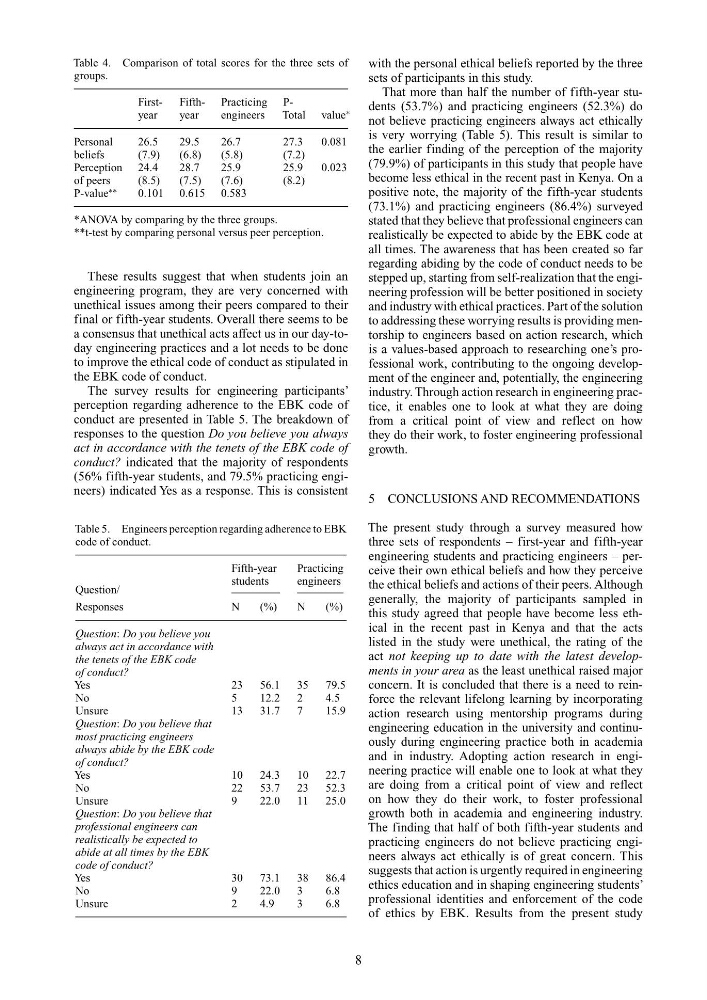
Table 4. Comparison of total scores for the three sets of
groups.
First- Fifth- Practicing Pyear
year
engineers
Total value
∗
Personal
26.5
29.5
26.7
27.3
0.081
beliefs
(7.9)
(6.8)
(5.8)
(7.2)
Perception 24.4
28.7
25.9
25.9
0.023
of peers
(8.5)
(7.5)
(7.6)
(8.2)
P-value
∗∗
0.101 0.615 0.583
*ANOVA by comparing by the three groups.
**t-test by comparing personal versus peer perception.
These results suggest that when students join an
engineering program, they are very concerned with
unethical issues among their peers compared to their
final or fifth-year students. Overall there seems to be
a consensus that unethical acts affect us in our day-today engineering practices and a lot needs to be done
to improve the ethical code of conduct as stipulated in
the EBK code of conduct.
The survey results for engineering participants’
perception regarding adherence to the EBK code of
conduct are presented in Table 5. The breakdown of
responses to the question Do you believe you always
act in accordance with the tenets of the EBK code of
conduct? indicated that the majority of respondents
(56% fifth-year students, and 79.5% practicing engineers) indicated Yes as a response. This is consistent
Table 5. Engineers perception regarding adherence to EBK
code of conduct.
Fifth-year
Practicing
students
engineers
Question/
Responses
N
(%)
N
(%)
Question: Do you believe you
always act in accordance with
the tenets of the EBK code
of conduct?
Yes
23 56.1
35 79.5
No
5
12.2
2
4.5
Unsure
13 31.7
7
15.9
Question: Do you believe that
most practicing engineers
always abide by the EBK code
of conduct?
Yes
10 24.3
10 22.7
No
22 53.7
23 52.3
Unsure
9
22.0
11 25.0
Question: Do you believe that
professional engineers can
realistically be expected to
abide at all times by the EBK
code of conduct?
Yes
30 73.1
38 86.4
No
9
22.0
3
6.8
Unsure
2
4.9
3
6.8
with the personal ethical beliefs reported by the three
sets of participants in this study.
That more than half the number of fifth-year students (53.7%) and practicing engineers (52.3%) do
not believe practicing engineers always act ethically
is very worrying (Table 5). This result is similar to
the earlier finding of the perception of the majority
(79.9%) of participants in this study that people have
become less ethical in the recent past in Kenya. On a
positive note, the majority of the fifth-year students
(73.1%) and practicing engineers (86.4%) surveyed
stated that they believe that professional engineers can
realistically be expected to abide by the EBK code at
all times. The awareness that has been created so far
regarding abiding by the code of conduct needs to be
stepped up, starting from self-realization that the engineering profession will be better positioned in society
and industry with ethical practices. Part of the solution
to addressing these worrying results is providing mentorship to engineers based on action research, which
is a values-based approach to researching one’s professional work, contributing to the ongoing development of the engineer and, potentially, the engineering
industry. Through action research in engineering practice, it enables one to look at what they are doing
from a critical point of view and reflect on how
they do their work, to foster engineering professional
growth.
5 CONCLUSIONS AND RECOMMENDATIONS
The present study through a survey measured how
three sets of respondents – first-year and fifth-year
engineering students and practicing engineers – perceive their own ethical beliefs and how they perceive
the ethical beliefs and actions of their peers. Although
generally, the majority of participants sampled in
this study agreed that people have become less ethical in the recent past in Kenya and that the acts
listed in the study were unethical, the rating of the
act not keeping up to date with the latest developments in your area as the least unethical raised major
concern. It is concluded that there is a need to reinforce the relevant lifelong learning by incorporating
action research using mentorship programs during
engineering education in the university and continuously during engineering practice both in academia
and in industry. Adopting action research in engineering practice will enable one to look at what they
are doing from a critical point of view and reflect
on how they do their work, to foster professional
growth both in academia and engineering industry.
The finding that half of both fifth-year students and
practicing engineers do not believe practicing engineers always act ethically is of great concern. This
suggests that action is urgently required in engineering
ethics education and in shaping engineering students’
professional identities and enforcement of the code
of ethics by EBK. Results from the present study
8
groups.
First- Fifth- Practicing Pyear
year
engineers
Total value
∗
Personal
26.5
29.5
26.7
27.3
0.081
beliefs
(7.9)
(6.8)
(5.8)
(7.2)
Perception 24.4
28.7
25.9
25.9
0.023
of peers
(8.5)
(7.5)
(7.6)
(8.2)
P-value
∗∗
0.101 0.615 0.583
*ANOVA by comparing by the three groups.
**t-test by comparing personal versus peer perception.
These results suggest that when students join an
engineering program, they are very concerned with
unethical issues among their peers compared to their
final or fifth-year students. Overall there seems to be
a consensus that unethical acts affect us in our day-today engineering practices and a lot needs to be done
to improve the ethical code of conduct as stipulated in
the EBK code of conduct.
The survey results for engineering participants’
perception regarding adherence to the EBK code of
conduct are presented in Table 5. The breakdown of
responses to the question Do you believe you always
act in accordance with the tenets of the EBK code of
conduct? indicated that the majority of respondents
(56% fifth-year students, and 79.5% practicing engineers) indicated Yes as a response. This is consistent
Table 5. Engineers perception regarding adherence to EBK
code of conduct.
Fifth-year
Practicing
students
engineers
Question/
Responses
N
(%)
N
(%)
Question: Do you believe you
always act in accordance with
the tenets of the EBK code
of conduct?
Yes
23 56.1
35 79.5
No
5
12.2
2
4.5
Unsure
13 31.7
7
15.9
Question: Do you believe that
most practicing engineers
always abide by the EBK code
of conduct?
Yes
10 24.3
10 22.7
No
22 53.7
23 52.3
Unsure
9
22.0
11 25.0
Question: Do you believe that
professional engineers can
realistically be expected to
abide at all times by the EBK
code of conduct?
Yes
30 73.1
38 86.4
No
9
22.0
3
6.8
Unsure
2
4.9
3
6.8
with the personal ethical beliefs reported by the three
sets of participants in this study.
That more than half the number of fifth-year students (53.7%) and practicing engineers (52.3%) do
not believe practicing engineers always act ethically
is very worrying (Table 5). This result is similar to
the earlier finding of the perception of the majority
(79.9%) of participants in this study that people have
become less ethical in the recent past in Kenya. On a
positive note, the majority of the fifth-year students
(73.1%) and practicing engineers (86.4%) surveyed
stated that they believe that professional engineers can
realistically be expected to abide by the EBK code at
all times. The awareness that has been created so far
regarding abiding by the code of conduct needs to be
stepped up, starting from self-realization that the engineering profession will be better positioned in society
and industry with ethical practices. Part of the solution
to addressing these worrying results is providing mentorship to engineers based on action research, which
is a values-based approach to researching one’s professional work, contributing to the ongoing development of the engineer and, potentially, the engineering
industry. Through action research in engineering practice, it enables one to look at what they are doing
from a critical point of view and reflect on how
they do their work, to foster engineering professional
growth.
5 CONCLUSIONS AND RECOMMENDATIONS
The present study through a survey measured how
three sets of respondents – first-year and fifth-year
engineering students and practicing engineers – perceive their own ethical beliefs and how they perceive
the ethical beliefs and actions of their peers. Although
generally, the majority of participants sampled in
this study agreed that people have become less ethical in the recent past in Kenya and that the acts
listed in the study were unethical, the rating of the
act not keeping up to date with the latest developments in your area as the least unethical raised major
concern. It is concluded that there is a need to reinforce the relevant lifelong learning by incorporating
action research using mentorship programs during
engineering education in the university and continuously during engineering practice both in academia
and in industry. Adopting action research in engineering practice will enable one to look at what they
are doing from a critical point of view and reflect
on how they do their work, to foster professional
growth both in academia and engineering industry.
The finding that half of both fifth-year students and
practicing engineers do not believe practicing engineers always act ethically is of great concern. This
suggests that action is urgently required in engineering
ethics education and in shaping engineering students’
professional identities and enforcement of the code
of ethics by EBK. Results from the present study
8