

Molem, C.S.,& Ndifor, R.T. 2016, The effect of energy
consumption on economic growth in Cameroon. Asian
Economic and Financial Review, 6(9), 510–521.
Nepal, R. & Paija, N., 2019. A multivariate time series analysis of energy consumption, real output and pollutant
emissions in a developing economy: New vidence from
Nepal. Economic Modelling, 77, pp.164-173.
Odhiambo, N.M.2009a. Energy consumption and economic
growth nexus in Tanzania: an ARDL bounds testing
approach. Energy Policy 37:617–622.
Odhiambo, N.M.2009c. Energy Consumption and economic
growth in South Africa: a tri-variate causality test. Energy
Econ 31:635–640.
Odhiambo,N.M.2010. Energy consumption, prices and economic growth in three SSA countries: a comparative study.
Energy Policy 38:2463–2469.
Okoboi, G., & Mawejje, J. 2016. The impact of adoption of
power factor correction technology on electricity peak
demand in Uganda. J Econ Struct 5(1):1–14.
Omay,T. et al. 2010. Energy consumption and Economic
growth: evidence from nonlinear panel co- integration and
Causality tests.
Ozturk, I., 2010. A literature survey on energy-growth nexus.
Energy Policy 38, 340–349. Paul, S., & Paul.S & Bhattacharya, R. N. 2004. Causality between energy consumption and economic growth in India: a note on conflicting
results. Energy economics, 26(6), 977–983.
Pachauri, R.K., 1977. Energy and economic development in
India. Praeger, New York.
Payne, J.E., 2009. On the dynamics of energy consumption
and output in the U.S. Applied Energy 86, 575–577.
Payne, J.E., 2010a. Survey of the international evidence on
the causal relationship between energy consumption and
growth. Journal of Economic Studies 37, 53–95.
Payne, J.E., 2010b. A survey of the electricity consumptiongrowth literature. Applied Energy 87, 723– 731.
Payne, J.E. 2010c. On Biomass Energy Consumption
and Real Output in the U.S.Energy Sources, Part
B:Economics, Planning, and Policy, forthcoming.
Pedroni, P. 1999. Critical values for cointegration tests in
heterogeneous panels with multiple regressors. Oxford
Bulletin of Economics and Statistics 61, 653–670.
Pedroni, P., 2000. Fully modified OLS for heterogeneous
cointegrated panels. Advanced in Econometrics 15,
93–130.
Pedroni, P. 2004. Panel cointegration: asymptotic and finite
sample properties of pooled time series tests with an application to the ppp hypothesis: new results. Econometric
Theory 20, 597–627.
Pesaran, H.M. Shin, Y. & Smith, R.P. 1999. Pooled mean
group estimation of dynamic heterogeneous panels. Journal of the American Statistical Association 94, 621–634.
Reynolds, D.B. & Kolodzieji, M., 2008. Former Soviet Union
oil production and GDPdecline: Granger causality and
the multi-cycle Hubbert curve. Energy Economics 30,
271–289.
Ridzuan, A.R., Kamaluddin, M., Ismail, N.A., Razak, M.I.M.
& Haron, N.F., 2020. Macroeconomic indicators for
electrical consumption demand model in Malaysia. International Journal of Energy Economics and Policy, 10(1),
p.16.
Sadorsky, P., 2009. Renewable energy consumption and
income in emerging economies. Energy Policy 37, 4021–
4028.
Sari, R.,& Soytas, U. 2004. Disaggregate energy consumption, employment, and income in Turkey. Energy
Economics 26, 335–344.
Sari, R., Ewing, B.T.,& Soytas, U. 2008. The relationship
between disaggregate energy consumption and industrial
production in the United States: an ARDL approach.
Energy Economics 30, 2302–2313.
´
Smiech, S. & Papie˙ z, M., 2014. Energy consumption and
economic growth in the light of meeting the targets of
energy policy in the EU: The bootstrap panel Granger
causality approach. Energy Policy, 71, pp.118–129.
Solow, R.M., 1956. A contribution to the theory of economic growth. The quarterly journal of economics, 70(1),
pp.65–94.
Solow, J.L., 1987. The capital-energy complementarity
debate revisited. The American Economic Review,
pp.605–614.
Tang, C.F., Tan, B.W. & Ozturk, I., 2016. Energy consumption and economic growth in Vietnam. Renewable and
Sustainable Energy Reviews, 54, pp.1506-1514.
Tyner, W.A., 1978. Energy Resources and Economic Development in India. Boston, Martines Nijhoff Social Sciences
Division, Netherlands.
Saint Akadiri, S., Alola, A.A., Akadiri, A.C. & Alola, U.V.,
2019. Renewable energy consumption in EU-28 countries: policy toward pollution mitigation and economic
sustainability. Energy Policy, 132, pp.803–810.
Sekantsi & Motlokoa , M. 2016. Evidence of the nexus
between electricity consumption and economic growth
through empirical investigation of Uganda. Review of
Econ & Business studies 8 (1), 149–165.
Sekantsi, L. P., & Okot, N. 2016. Electricity–economic
growth nexus in Uganda. Energy Sources, Part B: Economics, Planning and Policy 11:1144–1149. doi:10.1080/
15567249.2015.1010022
Stern, D.I., 1993. Energy and economic growth in the
USA: a multivariate approach. Energy economics, 15(2),
pp.137–150.
Soytas, U. Sari, R. & Ewing, B.T. 2007. Energy consumption, income, and carbon emissions in the United States.
Ecological Economics 62, 482–489.
Yu, E.S. & Choi, J.Y., 1985. The causal relationship between
energy and GNP: an international comparison. The
Journal of Energy and Development, pp.249–272.
APPENDICES
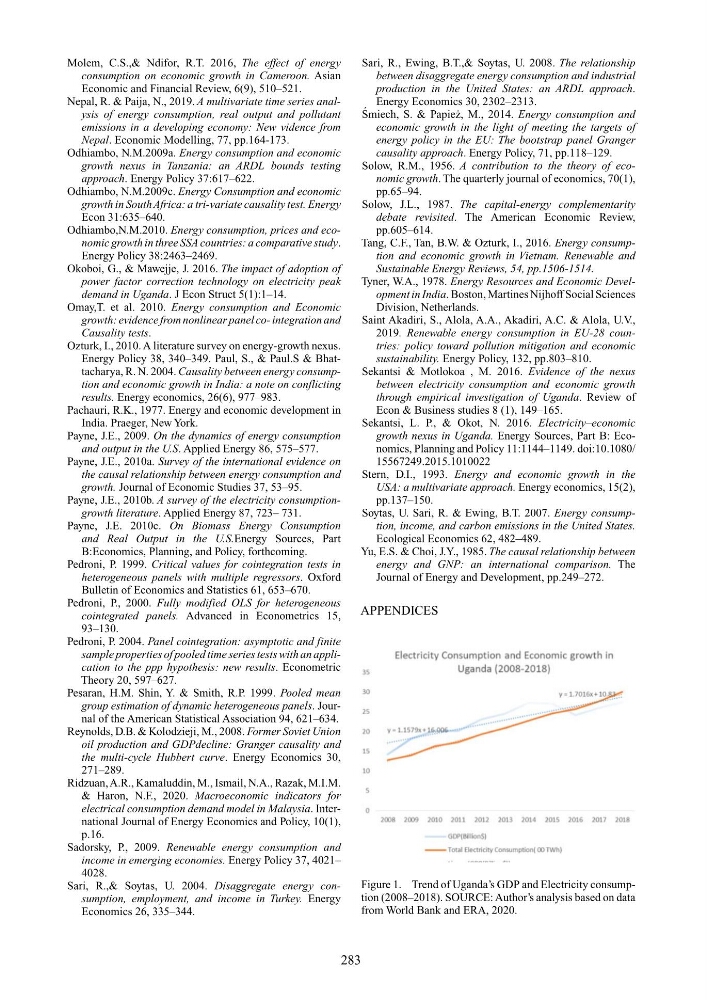
Figure 1. Trend of Uganda’s GDP and Electricity consumption (2008–2018). SOURCE: Author’s analysis based on data
from World Bank and ERA, 2020.
283
consumption on economic growth in Cameroon. Asian
Economic and Financial Review, 6(9), 510–521.
Nepal, R. & Paija, N., 2019. A multivariate time series analysis of energy consumption, real output and pollutant
emissions in a developing economy: New vidence from
Nepal. Economic Modelling, 77, pp.164-173.
Odhiambo, N.M.2009a. Energy consumption and economic
growth nexus in Tanzania: an ARDL bounds testing
approach. Energy Policy 37:617–622.
Odhiambo, N.M.2009c. Energy Consumption and economic
growth in South Africa: a tri-variate causality test. Energy
Econ 31:635–640.
Odhiambo,N.M.2010. Energy consumption, prices and economic growth in three SSA countries: a comparative study.
Energy Policy 38:2463–2469.
Okoboi, G., & Mawejje, J. 2016. The impact of adoption of
power factor correction technology on electricity peak
demand in Uganda. J Econ Struct 5(1):1–14.
Omay,T. et al. 2010. Energy consumption and Economic
growth: evidence from nonlinear panel co- integration and
Causality tests.
Ozturk, I., 2010. A literature survey on energy-growth nexus.
Energy Policy 38, 340–349. Paul, S., & Paul.S & Bhattacharya, R. N. 2004. Causality between energy consumption and economic growth in India: a note on conflicting
results. Energy economics, 26(6), 977–983.
Pachauri, R.K., 1977. Energy and economic development in
India. Praeger, New York.
Payne, J.E., 2009. On the dynamics of energy consumption
and output in the U.S. Applied Energy 86, 575–577.
Payne, J.E., 2010a. Survey of the international evidence on
the causal relationship between energy consumption and
growth. Journal of Economic Studies 37, 53–95.
Payne, J.E., 2010b. A survey of the electricity consumptiongrowth literature. Applied Energy 87, 723– 731.
Payne, J.E. 2010c. On Biomass Energy Consumption
and Real Output in the U.S.Energy Sources, Part
B:Economics, Planning, and Policy, forthcoming.
Pedroni, P. 1999. Critical values for cointegration tests in
heterogeneous panels with multiple regressors. Oxford
Bulletin of Economics and Statistics 61, 653–670.
Pedroni, P., 2000. Fully modified OLS for heterogeneous
cointegrated panels. Advanced in Econometrics 15,
93–130.
Pedroni, P. 2004. Panel cointegration: asymptotic and finite
sample properties of pooled time series tests with an application to the ppp hypothesis: new results. Econometric
Theory 20, 597–627.
Pesaran, H.M. Shin, Y. & Smith, R.P. 1999. Pooled mean
group estimation of dynamic heterogeneous panels. Journal of the American Statistical Association 94, 621–634.
Reynolds, D.B. & Kolodzieji, M., 2008. Former Soviet Union
oil production and GDPdecline: Granger causality and
the multi-cycle Hubbert curve. Energy Economics 30,
271–289.
Ridzuan, A.R., Kamaluddin, M., Ismail, N.A., Razak, M.I.M.
& Haron, N.F., 2020. Macroeconomic indicators for
electrical consumption demand model in Malaysia. International Journal of Energy Economics and Policy, 10(1),
p.16.
Sadorsky, P., 2009. Renewable energy consumption and
income in emerging economies. Energy Policy 37, 4021–
4028.
Sari, R.,& Soytas, U. 2004. Disaggregate energy consumption, employment, and income in Turkey. Energy
Economics 26, 335–344.
Sari, R., Ewing, B.T.,& Soytas, U. 2008. The relationship
between disaggregate energy consumption and industrial
production in the United States: an ARDL approach.
Energy Economics 30, 2302–2313.
´
Smiech, S. & Papie˙ z, M., 2014. Energy consumption and
economic growth in the light of meeting the targets of
energy policy in the EU: The bootstrap panel Granger
causality approach. Energy Policy, 71, pp.118–129.
Solow, R.M., 1956. A contribution to the theory of economic growth. The quarterly journal of economics, 70(1),
pp.65–94.
Solow, J.L., 1987. The capital-energy complementarity
debate revisited. The American Economic Review,
pp.605–614.
Tang, C.F., Tan, B.W. & Ozturk, I., 2016. Energy consumption and economic growth in Vietnam. Renewable and
Sustainable Energy Reviews, 54, pp.1506-1514.
Tyner, W.A., 1978. Energy Resources and Economic Development in India. Boston, Martines Nijhoff Social Sciences
Division, Netherlands.
Saint Akadiri, S., Alola, A.A., Akadiri, A.C. & Alola, U.V.,
2019. Renewable energy consumption in EU-28 countries: policy toward pollution mitigation and economic
sustainability. Energy Policy, 132, pp.803–810.
Sekantsi & Motlokoa , M. 2016. Evidence of the nexus
between electricity consumption and economic growth
through empirical investigation of Uganda. Review of
Econ & Business studies 8 (1), 149–165.
Sekantsi, L. P., & Okot, N. 2016. Electricity–economic
growth nexus in Uganda. Energy Sources, Part B: Economics, Planning and Policy 11:1144–1149. doi:10.1080/
15567249.2015.1010022
Stern, D.I., 1993. Energy and economic growth in the
USA: a multivariate approach. Energy economics, 15(2),
pp.137–150.
Soytas, U. Sari, R. & Ewing, B.T. 2007. Energy consumption, income, and carbon emissions in the United States.
Ecological Economics 62, 482–489.
Yu, E.S. & Choi, J.Y., 1985. The causal relationship between
energy and GNP: an international comparison. The
Journal of Energy and Development, pp.249–272.
APPENDICES
Figure 1. Trend of Uganda’s GDP and Electricity consumption (2008–2018). SOURCE: Author’s analysis based on data
from World Bank and ERA, 2020.
283