

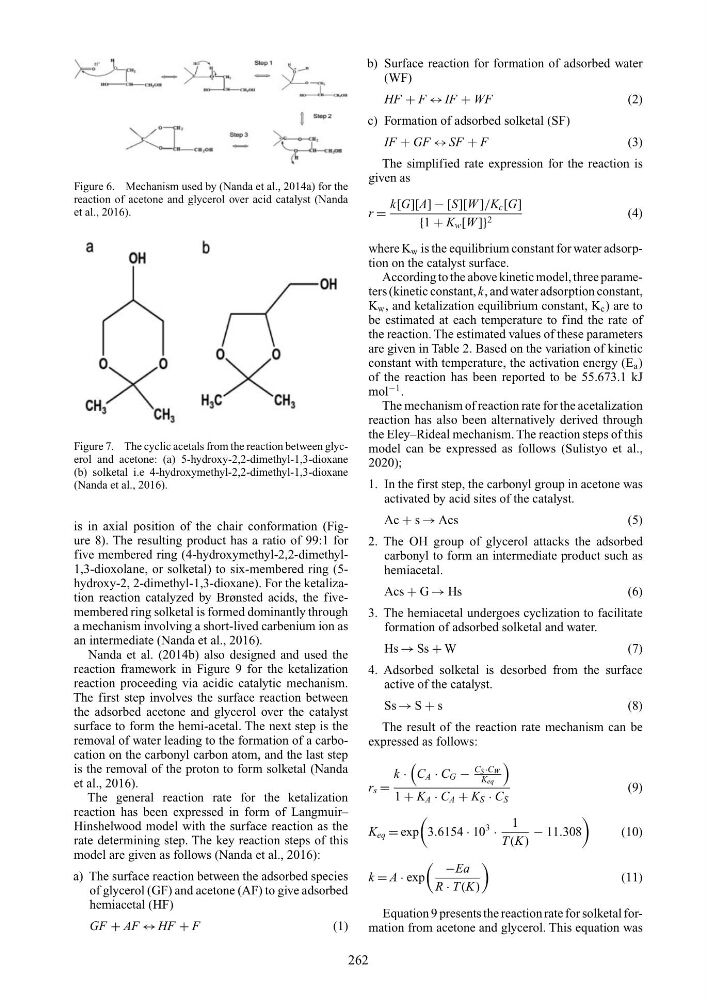
Figure 6. Mechanism used by (Nanda et al., 2014a) for the
reaction of acetone and glycerol over acid catalyst (Nanda
et al., 2016).
Figure 7. The cyclic acetals from the reaction between glycerol and acetone: (a) 5-hydroxy-2,2-dimethyl-1,3-dioxane
(b) solketal i.e 4-hydroxymethyl-2,2-dimethyl-1,3-dioxane
(Nanda et al., 2016).
is in axial position of the chair conformation (Figure 8). The resulting product has a ratio of 99:1 for
five membered ring (4-hydroxymethyl-2,2-dimethyl1,3-dioxolane, or solketal) to six-membered ring (5hydroxy-2, 2-dimethyl-1,3-dioxane). For the ketalization reaction catalyzed by Brønsted acids, the fivemembered ring solketal is formed dominantly through
a mechanism involving a short-lived carbenium ion as
an intermediate (Nanda et al., 2016).
Nanda et al. (2014b) also designed and used the
reaction framework in Figure 9 for the ketalization
reaction proceeding via acidic catalytic mechanism.
The first step involves the surface reaction between
the adsorbed acetone and glycerol over the catalyst
surface to form the hemi-acetal. The next step is the
removal of water leading to the formation of a carbocation on the carbonyl carbon atom, and the last step
is the removal of the proton to form solketal (Nanda
et al., 2016).
The general reaction rate for the ketalization
reaction has been expressed in form of Langmuir–
Hinshelwood model with the surface reaction as the
rate determining step. The key reaction steps of this
model are given as follows (Nanda et al., 2016):
a) The surface reaction between the adsorbed species
of glycerol (GF) and acetone (AF) to give adsorbed
hemiacetal (HF)
GF + AF ↔ HF + F
(1)
b) Surface reaction for formation of adsorbed water
(WF)
HF + F ↔ IF + WF
(2)
c) Formation of adsorbed solketal (SF)
IF + GF ↔ SF + F
(3)
The simplified rate expression for the reaction is
given as
r =
k[G][A] − [S][W ]/K c [G]
{1 + K w [W ]} 2
(4)
where K w is the equilibrium constant for water adsorption on the catalyst surface.
According to the above kinetic model, three parameters (kinetic constant, k, and water adsorption constant,
K w , and ketalization equilibrium constant, K c ) are to
be estimated at each temperature to find the rate of
the reaction. The estimated values of these parameters
are given in Table 2. Based on the variation of kinetic
constant with temperature, the activation energy (E a )
of the reaction has been reported to be 55.673.1 kJ
mol
−1 .
The mechanism of reaction rate for the acetalization
reaction has also been alternatively derived through
the Eley–Rideal mechanism. The reaction steps of this
model can be expressed as follows (Sulistyo et al.,
2020);
1. In the first step, the carbonyl group in acetone was
activated by acid sites of the catalyst.
Ac + s → Acs
(5)
2. The OH group of glycerol attacks the adsorbed
carbonyl to form an intermediate product such as
hemiacetal.
Acs + G → Hs
(6)
3. The hemiacetal undergoes cyclization to facilitate
formation of adsorbed solketal and water.
Hs → Ss + W
(7)
4. Adsorbed solketal is desorbed from the surface
active of the catalyst.
Ss → S + s
(8)
The result of the reaction rate mechanism can be
expressed as follows:
r s =
k ·
C A · C G −
CS ·CW
Keq
1 + K A · C A + K S · C S
(9)
K eq = exp
3.6154 · 10
3 ·
1
T (K)
− 11.308
(10)
k = A · exp
−Ea
R · T (K)
(11)
Equation 9 presents the reaction rate for solketal formation from acetone and glycerol. This equation was
262
reaction of acetone and glycerol over acid catalyst (Nanda
et al., 2016).
Figure 7. The cyclic acetals from the reaction between glycerol and acetone: (a) 5-hydroxy-2,2-dimethyl-1,3-dioxane
(b) solketal i.e 4-hydroxymethyl-2,2-dimethyl-1,3-dioxane
(Nanda et al., 2016).
is in axial position of the chair conformation (Figure 8). The resulting product has a ratio of 99:1 for
five membered ring (4-hydroxymethyl-2,2-dimethyl1,3-dioxolane, or solketal) to six-membered ring (5hydroxy-2, 2-dimethyl-1,3-dioxane). For the ketalization reaction catalyzed by Brønsted acids, the fivemembered ring solketal is formed dominantly through
a mechanism involving a short-lived carbenium ion as
an intermediate (Nanda et al., 2016).
Nanda et al. (2014b) also designed and used the
reaction framework in Figure 9 for the ketalization
reaction proceeding via acidic catalytic mechanism.
The first step involves the surface reaction between
the adsorbed acetone and glycerol over the catalyst
surface to form the hemi-acetal. The next step is the
removal of water leading to the formation of a carbocation on the carbonyl carbon atom, and the last step
is the removal of the proton to form solketal (Nanda
et al., 2016).
The general reaction rate for the ketalization
reaction has been expressed in form of Langmuir–
Hinshelwood model with the surface reaction as the
rate determining step. The key reaction steps of this
model are given as follows (Nanda et al., 2016):
a) The surface reaction between the adsorbed species
of glycerol (GF) and acetone (AF) to give adsorbed
hemiacetal (HF)
GF + AF ↔ HF + F
(1)
b) Surface reaction for formation of adsorbed water
(WF)
HF + F ↔ IF + WF
(2)
c) Formation of adsorbed solketal (SF)
IF + GF ↔ SF + F
(3)
The simplified rate expression for the reaction is
given as
r =
k[G][A] − [S][W ]/K c [G]
{1 + K w [W ]} 2
(4)
where K w is the equilibrium constant for water adsorption on the catalyst surface.
According to the above kinetic model, three parameters (kinetic constant, k, and water adsorption constant,
K w , and ketalization equilibrium constant, K c ) are to
be estimated at each temperature to find the rate of
the reaction. The estimated values of these parameters
are given in Table 2. Based on the variation of kinetic
constant with temperature, the activation energy (E a )
of the reaction has been reported to be 55.673.1 kJ
mol
−1 .
The mechanism of reaction rate for the acetalization
reaction has also been alternatively derived through
the Eley–Rideal mechanism. The reaction steps of this
model can be expressed as follows (Sulistyo et al.,
2020);
1. In the first step, the carbonyl group in acetone was
activated by acid sites of the catalyst.
Ac + s → Acs
(5)
2. The OH group of glycerol attacks the adsorbed
carbonyl to form an intermediate product such as
hemiacetal.
Acs + G → Hs
(6)
3. The hemiacetal undergoes cyclization to facilitate
formation of adsorbed solketal and water.
Hs → Ss + W
(7)
4. Adsorbed solketal is desorbed from the surface
active of the catalyst.
Ss → S + s
(8)
The result of the reaction rate mechanism can be
expressed as follows:
r s =
k ·
C A · C G −
CS ·CW
Keq
1 + K A · C A + K S · C S
(9)
K eq = exp
3.6154 · 10
3 ·
1
T (K)
− 11.308
(10)
k = A · exp
−Ea
R · T (K)
(11)
Equation 9 presents the reaction rate for solketal formation from acetone and glycerol. This equation was
262