

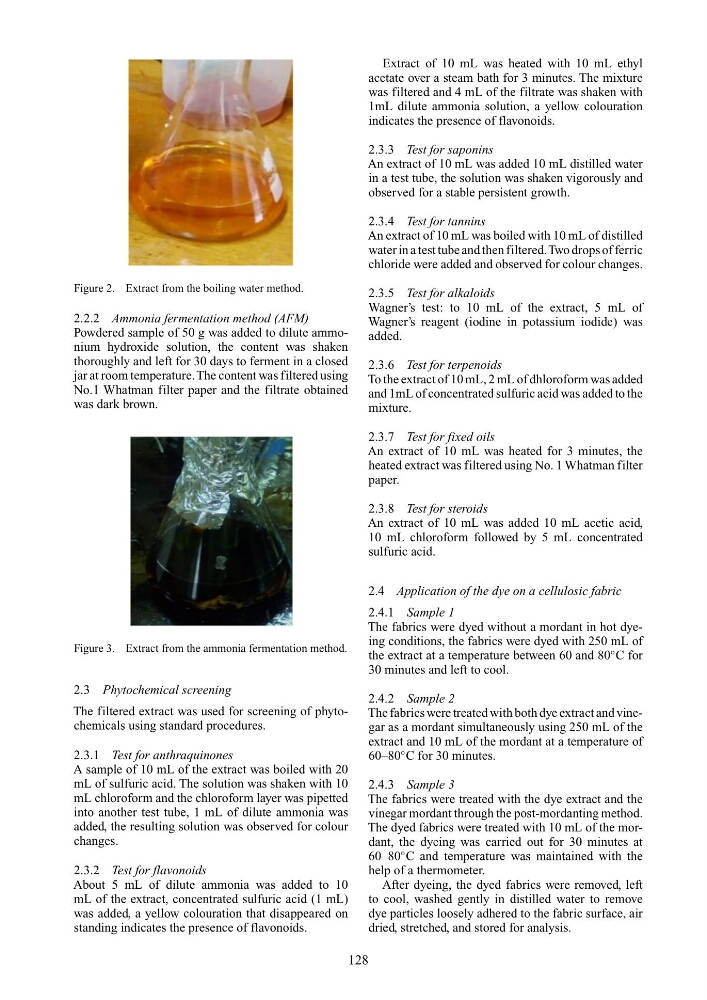
Figure 2. Extract from the boiling water method.
2.2.2 Ammonia fermentation method (AFM)
Powdered sample of 50 g was added to dilute ammonium hydroxide solution, the content was shaken
thoroughly and left for 30 days to ferment in a closed
jar at room temperature. The content was filtered using
No.1 Whatman filter paper and the filtrate obtained
was dark brown.
Figure 3. Extract from the ammonia fermentation method.
2.3 Phytochemical screening
The filtered extract was used for screening of phytochemicals using standard procedures.
2.3.1 Test for anthraquinones
A sample of 10 mL of the extract was boiled with 20
mL of sulfuric acid. The solution was shaken with 10
mL chloroform and the chloroform layer was pipetted
into another test tube, 1 mL of dilute ammonia was
added, the resulting solution was observed for colour
changes.
2.3.2 Test for flavonoids
About 5 mL of dilute ammonia was added to 10
mL of the extract, concentrated sulfuric acid (1 mL)
was added, a yellow colouration that disappeared on
standing indicates the presence of flavonoids.
Extract of 10 mL was heated with 10 mL ethyl
acetate over a steam bath for 3 minutes. The mixture
was filtered and 4 mL of the filtrate was shaken with
1mL dilute ammonia solution, a yellow colouration
indicates the presence of flavonoids.
2.3.3 Test for saponins
An extract of 10 mL was added 10 mL distilled water
in a test tube, the solution was shaken vigorously and
observed for a stable persistent growth.
2.3.4 Test for tannins
An extract of 10 mL was boiled with 10 mL of distilled
water in a test tube and then filtered.Two drops of ferric
chloride were added and observed for colour changes.
2.3.5 Test for alkaloids
Wagner’s test: to 10 mL of the extract, 5 mL of
Wagner’s reagent (iodine in potassium iodide) was
added.
2.3.6 Test for terpenoids
To the extract of 10 mL, 2 mL of dhloroform was added
and 1mL of concentrated sulfuric acid was added to the
mixture.
2.3.7 Test for fixed oils
An extract of 10 mL was heated for 3 minutes, the
heated extract was filtered using No. 1 Whatman filter
paper.
2.3.8 Test for steroids
An extract of 10 mL was added 10 mL acetic acid,
10 mL chloroform followed by 5 mL concentrated
sulfuric acid.
2.4 Application of the dye on a cellulosic fabric
2.4.1 Sample 1
The fabrics were dyed without a mordant in hot dyeing conditions, the fabrics were dyed with 250 mL of
the extract at a temperature between 60 and 80
◦ C for
30 minutes and left to cool.
2.4.2 Sample 2
The fabrics were treated with both dye extract and vinegar as a mordant simultaneously using 250 mL of the
extract and 10 mL of the mordant at a temperature of
60–80
◦ C for 30 minutes.
2.4.3 Sample 3
The fabrics were treated with the dye extract and the
vinegar mordant through the post-mordanting method.
The dyed fabrics were treated with 10 mL of the mordant, the dyeing was carried out for 30 minutes at
60–80
◦ C and temperature was maintained with the
help of a thermometer.
After dyeing, the dyed fabrics were removed, left
to cool, washed gently in distilled water to remove
dye particles loosely adhered to the fabric surface, air
dried, stretched, and stored for analysis.
128
2.2.2 Ammonia fermentation method (AFM)
Powdered sample of 50 g was added to dilute ammonium hydroxide solution, the content was shaken
thoroughly and left for 30 days to ferment in a closed
jar at room temperature. The content was filtered using
No.1 Whatman filter paper and the filtrate obtained
was dark brown.
Figure 3. Extract from the ammonia fermentation method.
2.3 Phytochemical screening
The filtered extract was used for screening of phytochemicals using standard procedures.
2.3.1 Test for anthraquinones
A sample of 10 mL of the extract was boiled with 20
mL of sulfuric acid. The solution was shaken with 10
mL chloroform and the chloroform layer was pipetted
into another test tube, 1 mL of dilute ammonia was
added, the resulting solution was observed for colour
changes.
2.3.2 Test for flavonoids
About 5 mL of dilute ammonia was added to 10
mL of the extract, concentrated sulfuric acid (1 mL)
was added, a yellow colouration that disappeared on
standing indicates the presence of flavonoids.
Extract of 10 mL was heated with 10 mL ethyl
acetate over a steam bath for 3 minutes. The mixture
was filtered and 4 mL of the filtrate was shaken with
1mL dilute ammonia solution, a yellow colouration
indicates the presence of flavonoids.
2.3.3 Test for saponins
An extract of 10 mL was added 10 mL distilled water
in a test tube, the solution was shaken vigorously and
observed for a stable persistent growth.
2.3.4 Test for tannins
An extract of 10 mL was boiled with 10 mL of distilled
water in a test tube and then filtered.Two drops of ferric
chloride were added and observed for colour changes.
2.3.5 Test for alkaloids
Wagner’s test: to 10 mL of the extract, 5 mL of
Wagner’s reagent (iodine in potassium iodide) was
added.
2.3.6 Test for terpenoids
To the extract of 10 mL, 2 mL of dhloroform was added
and 1mL of concentrated sulfuric acid was added to the
mixture.
2.3.7 Test for fixed oils
An extract of 10 mL was heated for 3 minutes, the
heated extract was filtered using No. 1 Whatman filter
paper.
2.3.8 Test for steroids
An extract of 10 mL was added 10 mL acetic acid,
10 mL chloroform followed by 5 mL concentrated
sulfuric acid.
2.4 Application of the dye on a cellulosic fabric
2.4.1 Sample 1
The fabrics were dyed without a mordant in hot dyeing conditions, the fabrics were dyed with 250 mL of
the extract at a temperature between 60 and 80
◦ C for
30 minutes and left to cool.
2.4.2 Sample 2
The fabrics were treated with both dye extract and vinegar as a mordant simultaneously using 250 mL of the
extract and 10 mL of the mordant at a temperature of
60–80
◦ C for 30 minutes.
2.4.3 Sample 3
The fabrics were treated with the dye extract and the
vinegar mordant through the post-mordanting method.
The dyed fabrics were treated with 10 mL of the mordant, the dyeing was carried out for 30 minutes at
60–80
◦ C and temperature was maintained with the
help of a thermometer.
After dyeing, the dyed fabrics were removed, left
to cool, washed gently in distilled water to remove
dye particles loosely adhered to the fabric surface, air
dried, stretched, and stored for analysis.
128