

Mohamed, Ahmad, Abd Kadir, Ismail, & Wan
Ahmad (2015) extracted natural dyes from two lichen
species: parmotrema praesorediosum and Heterodermia leucomeles, using the boiling water method
(BWM) and ammonia fermentation method (AFM).
They used the extracted dye to dye silk fabrics, and
found that both the two extraction methods gave good
results.
Cotton fabrics were applied with natural dye using
pre-mordanting, simultaneous mordanting, and postmordanting methods of mordanting. Using sodium
sulfate mordant, various colour shades were obtained
from the fabric due to different mordanting methods. Post-mordanting gave out the best results overall
(Coriaria, Species, Janani, Hillary, & Phillips 2014).
Janani (2015) dyed cotton fabric using natural
dye from Vernonia amygdalina using pre-mordanting,
simultaneous mordanting, and post-mordanting methods, with post-mordanting again registering the best
results.
PrabhavathI, Devi, and Anitha (2015) used natural
dyes from the bark of eucalyptus tree to dye cotton
fabrics and also to find out the colour fastness of
the dyed fabric with alum, stannous chloride, vinegar, and ferrous sulfate as mordants. Among the dyed
cotton fabrics, post-mordanted fabrics with vinegar as
a mordant produced the best shades.
Grover and Patni (2011) performed an experiment
on the effects of dyeing with mordants and colour fastness of cotton natural dyed fabric.A dark brown yellow
dye which had no effect on human skin was obtained,
which showed that the use of combination of different mordants at different concentrations produces
different shades of colours.
Sharma and Grover (2011) dyed cotton fabric using
natural dye from walnut using three mordanting methods: pre-mordanting, simultaneous mordanting, and
post-mordanting, and using alum, chrome, copper
sulfate, and ferrous sulfate as the mordants, Postmordanted cotton gave good results in terms of colour
fastness.
Kumar and Prabha (2018) used natural dye from
different plants to dye cotton and wool fabrics and
using different mordants like cooking salt, vinegar,
and potassium dichromate. Cooking salt and vinegar
showed good results using the pre-mordanting method.
2 MATERIALS AND METHODS
The following chemicals, reagents, and equipment
were used in this study: concentrated sulfuric acid, distilled water from Moi University Textile Engineering
Laboratory, ammonia solution, acetic acid, Wagner’s
reagent, chloroform, and ferric acid purchased from
Merck Ltd. All the reagents and chemicals used in this
study were of analytical grade. The following equipment were used during the study: analytical balance
(Citizen Ltd), spectrophotometer, Crock rubbing and
colour fastness tester, MBTL sun for colour fastness
against sunlight and Wash master for washing fastness
tester from Paramount Company.
2.1 Sample collection
Flavoparmelia caperata was collected from Tunochun
forest in Baringo county, Kenya with GPS coordinates
of latitude 0.4667 and longitude 35.9667 during the
month of October 2019. Purposive sampling was used
for sampling the area and simple stratified sampling
was used to come up with the sample. The sampling
area was divided into strata and from each stratum,
the sample was picked and then from the groups samples were picked randomly to represent the laboratory
sample.
2.2 Extraction methods
The sample was washed off the substratum using distilled water and air dried at room temperature for 4
weeks in a chemistry laboratory at Moi University.
The dried sample was ground into powder form and
used for the extraction of dyes.
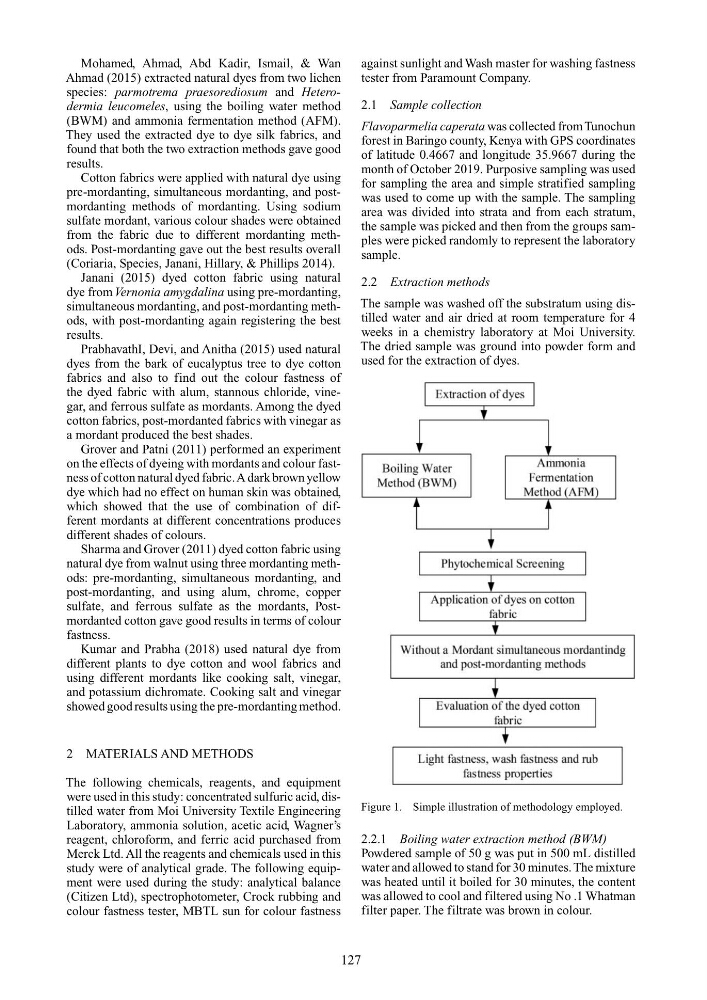
Figure 1. Simple illustration of methodology employed.
2.2.1 Boiling water extraction method (BWM)
Powdered sample of 50 g was put in 500 mL distilled
water and allowed to stand for 30 minutes. The mixture
was heated until it boiled for 30 minutes, the content
was allowed to cool and filtered using No .1 Whatman
filter paper. The filtrate was brown in colour.
127
Ahmad (2015) extracted natural dyes from two lichen
species: parmotrema praesorediosum and Heterodermia leucomeles, using the boiling water method
(BWM) and ammonia fermentation method (AFM).
They used the extracted dye to dye silk fabrics, and
found that both the two extraction methods gave good
results.
Cotton fabrics were applied with natural dye using
pre-mordanting, simultaneous mordanting, and postmordanting methods of mordanting. Using sodium
sulfate mordant, various colour shades were obtained
from the fabric due to different mordanting methods. Post-mordanting gave out the best results overall
(Coriaria, Species, Janani, Hillary, & Phillips 2014).
Janani (2015) dyed cotton fabric using natural
dye from Vernonia amygdalina using pre-mordanting,
simultaneous mordanting, and post-mordanting methods, with post-mordanting again registering the best
results.
PrabhavathI, Devi, and Anitha (2015) used natural
dyes from the bark of eucalyptus tree to dye cotton
fabrics and also to find out the colour fastness of
the dyed fabric with alum, stannous chloride, vinegar, and ferrous sulfate as mordants. Among the dyed
cotton fabrics, post-mordanted fabrics with vinegar as
a mordant produced the best shades.
Grover and Patni (2011) performed an experiment
on the effects of dyeing with mordants and colour fastness of cotton natural dyed fabric.A dark brown yellow
dye which had no effect on human skin was obtained,
which showed that the use of combination of different mordants at different concentrations produces
different shades of colours.
Sharma and Grover (2011) dyed cotton fabric using
natural dye from walnut using three mordanting methods: pre-mordanting, simultaneous mordanting, and
post-mordanting, and using alum, chrome, copper
sulfate, and ferrous sulfate as the mordants, Postmordanted cotton gave good results in terms of colour
fastness.
Kumar and Prabha (2018) used natural dye from
different plants to dye cotton and wool fabrics and
using different mordants like cooking salt, vinegar,
and potassium dichromate. Cooking salt and vinegar
showed good results using the pre-mordanting method.
2 MATERIALS AND METHODS
The following chemicals, reagents, and equipment
were used in this study: concentrated sulfuric acid, distilled water from Moi University Textile Engineering
Laboratory, ammonia solution, acetic acid, Wagner’s
reagent, chloroform, and ferric acid purchased from
Merck Ltd. All the reagents and chemicals used in this
study were of analytical grade. The following equipment were used during the study: analytical balance
(Citizen Ltd), spectrophotometer, Crock rubbing and
colour fastness tester, MBTL sun for colour fastness
against sunlight and Wash master for washing fastness
tester from Paramount Company.
2.1 Sample collection
Flavoparmelia caperata was collected from Tunochun
forest in Baringo county, Kenya with GPS coordinates
of latitude 0.4667 and longitude 35.9667 during the
month of October 2019. Purposive sampling was used
for sampling the area and simple stratified sampling
was used to come up with the sample. The sampling
area was divided into strata and from each stratum,
the sample was picked and then from the groups samples were picked randomly to represent the laboratory
sample.
2.2 Extraction methods
The sample was washed off the substratum using distilled water and air dried at room temperature for 4
weeks in a chemistry laboratory at Moi University.
The dried sample was ground into powder form and
used for the extraction of dyes.
Figure 1. Simple illustration of methodology employed.
2.2.1 Boiling water extraction method (BWM)
Powdered sample of 50 g was put in 500 mL distilled
water and allowed to stand for 30 minutes. The mixture
was heated until it boiled for 30 minutes, the content
was allowed to cool and filtered using No .1 Whatman
filter paper. The filtrate was brown in colour.
127