

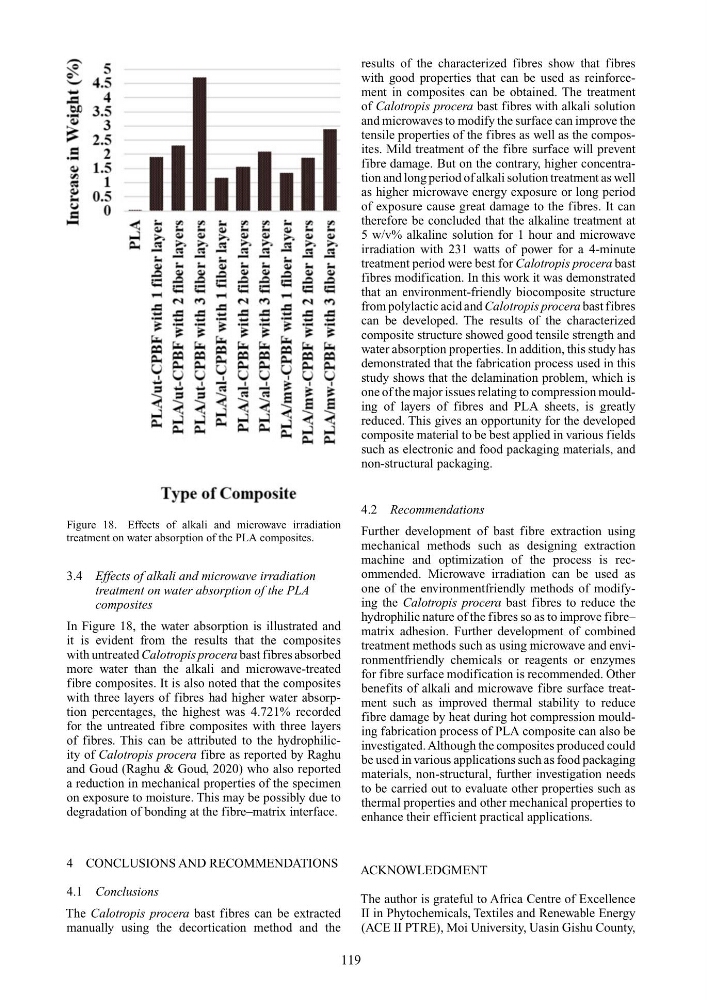
Figure 18. Effects of alkali and microwave irradiation
treatment on water absorption of the PLA composites.
3.4 Effects of alkali and microwave irradiation
treatment on water absorption of the PLA
composites
In Figure 18, the water absorption is illustrated and
it is evident from the results that the composites
with untreated Calotropis procera bast fibres absorbed
more water than the alkali and microwave-treated
fibre composites. It is also noted that the composites
with three layers of fibres had higher water absorption percentages, the highest was 4.721% recorded
for the untreated fibre composites with three layers
of fibres. This can be attributed to the hydrophilicity of Calotropis procera fibre as reported by Raghu
and Goud (Raghu & Goud, 2020) who also reported
a reduction in mechanical properties of the specimen
on exposure to moisture. This may be possibly due to
degradation of bonding at the fibre–matrix interface.
4 CONCLUSIONS AND RECOMMENDATIONS
4.1 Conclusions
The Calotropis procera bast fibres can be extracted
manually using the decortication method and the
results of the characterized fibres show that fibres
with good properties that can be used as reinforcement in composites can be obtained. The treatment
of Calotropis procera bast fibres with alkali solution
and microwaves to modify the surface can improve the
tensile properties of the fibres as well as the composites. Mild treatment of the fibre surface will prevent
fibre damage. But on the contrary, higher concentration and long period of alkali solution treatment as well
as higher microwave energy exposure or long period
of exposure cause great damage to the fibres. It can
therefore be concluded that the alkaline treatment at
5 w/v% alkaline solution for 1 hour and microwave
irradiation with 231 watts of power for a 4-minute
treatment period were best for Calotropis procera bast
fibres modification. In this work it was demonstrated
that an environment-friendly biocomposite structure
from polylactic acid and Calotropis procera bast fibres
can be developed. The results of the characterized
composite structure showed good tensile strength and
water absorption properties. In addition, this study has
demonstrated that the fabrication process used in this
study shows that the delamination problem, which is
one of the major issues relating to compression moulding of layers of fibres and PLA sheets, is greatly
reduced. This gives an opportunity for the developed
composite material to be best applied in various fields
such as electronic and food packaging materials, and
non-structural packaging.
4.2 Recommendations
Further development of bast fibre extraction using
mechanical methods such as designing extraction
machine and optimization of the process is recommended. Microwave irradiation can be used as
one of the environmentfriendly methods of modifying the Calotropis procera bast fibres to reduce the
hydrophilic nature of the fibres so as to improve fibre–
matrix adhesion. Further development of combined
treatment methods such as using microwave and environmentfriendly chemicals or reagents or enzymes
for fibre surface modification is recommended. Other
benefits of alkali and microwave fibre surface treatment such as improved thermal stability to reduce
fibre damage by heat during hot compression moulding fabrication process of PLA composite can also be
investigated. Although the composites produced could
be used in various applications such as food packaging
materials, non-structural, further investigation needs
to be carried out to evaluate other properties such as
thermal properties and other mechanical properties to
enhance their efficient practical applications.
ACKNOWLEDGMENT
The author is grateful to Africa Centre of Excellence
II in Phytochemicals, Textiles and Renewable Energy
(ACE II PTRE), Moi University, Uasin Gishu County,
119
treatment on water absorption of the PLA composites.
3.4 Effects of alkali and microwave irradiation
treatment on water absorption of the PLA
composites
In Figure 18, the water absorption is illustrated and
it is evident from the results that the composites
with untreated Calotropis procera bast fibres absorbed
more water than the alkali and microwave-treated
fibre composites. It is also noted that the composites
with three layers of fibres had higher water absorption percentages, the highest was 4.721% recorded
for the untreated fibre composites with three layers
of fibres. This can be attributed to the hydrophilicity of Calotropis procera fibre as reported by Raghu
and Goud (Raghu & Goud, 2020) who also reported
a reduction in mechanical properties of the specimen
on exposure to moisture. This may be possibly due to
degradation of bonding at the fibre–matrix interface.
4 CONCLUSIONS AND RECOMMENDATIONS
4.1 Conclusions
The Calotropis procera bast fibres can be extracted
manually using the decortication method and the
results of the characterized fibres show that fibres
with good properties that can be used as reinforcement in composites can be obtained. The treatment
of Calotropis procera bast fibres with alkali solution
and microwaves to modify the surface can improve the
tensile properties of the fibres as well as the composites. Mild treatment of the fibre surface will prevent
fibre damage. But on the contrary, higher concentration and long period of alkali solution treatment as well
as higher microwave energy exposure or long period
of exposure cause great damage to the fibres. It can
therefore be concluded that the alkaline treatment at
5 w/v% alkaline solution for 1 hour and microwave
irradiation with 231 watts of power for a 4-minute
treatment period were best for Calotropis procera bast
fibres modification. In this work it was demonstrated
that an environment-friendly biocomposite structure
from polylactic acid and Calotropis procera bast fibres
can be developed. The results of the characterized
composite structure showed good tensile strength and
water absorption properties. In addition, this study has
demonstrated that the fabrication process used in this
study shows that the delamination problem, which is
one of the major issues relating to compression moulding of layers of fibres and PLA sheets, is greatly
reduced. This gives an opportunity for the developed
composite material to be best applied in various fields
such as electronic and food packaging materials, and
non-structural packaging.
4.2 Recommendations
Further development of bast fibre extraction using
mechanical methods such as designing extraction
machine and optimization of the process is recommended. Microwave irradiation can be used as
one of the environmentfriendly methods of modifying the Calotropis procera bast fibres to reduce the
hydrophilic nature of the fibres so as to improve fibre–
matrix adhesion. Further development of combined
treatment methods such as using microwave and environmentfriendly chemicals or reagents or enzymes
for fibre surface modification is recommended. Other
benefits of alkali and microwave fibre surface treatment such as improved thermal stability to reduce
fibre damage by heat during hot compression moulding fabrication process of PLA composite can also be
investigated. Although the composites produced could
be used in various applications such as food packaging
materials, non-structural, further investigation needs
to be carried out to evaluate other properties such as
thermal properties and other mechanical properties to
enhance their efficient practical applications.
ACKNOWLEDGMENT
The author is grateful to Africa Centre of Excellence
II in Phytochemicals, Textiles and Renewable Energy
(ACE II PTRE), Moi University, Uasin Gishu County,
119