

185
Picturing Vitality
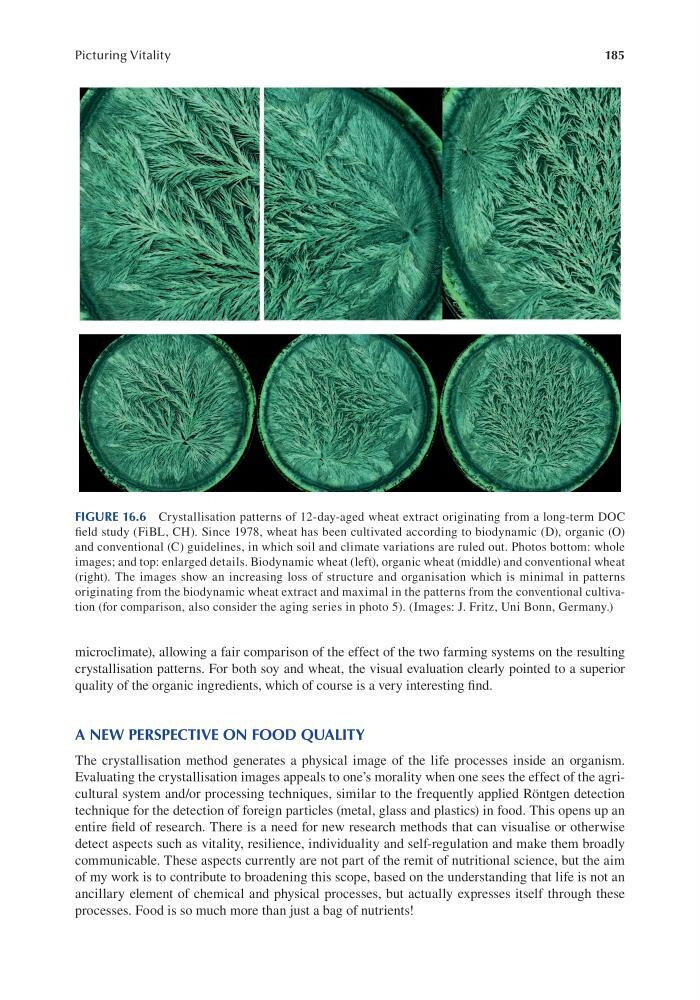
FIGURE 16.6 Crystallisation patterns of 12-day-aged wheat extract originating from a long-term DOC
feld study (FiBL, CH). Since 1978, wheat has been cultivated according to biodynamic (D), organic (O)
and conventional (C) guidelines, in which soil and climate variations are ruled out. Photos bottom: whole
images; and top: enlarged details. Biodynamic wheat (left), organic wheat (middle) and conventional wheat
(right). The images show an increasing loss of structure and organisation which is minimal in patterns
originating from the biodynamic wheat extract and maximal in the patterns from the conventional cultivation (for comparison, also consider the aging series in photo 5). (Images: J. Fritz, Uni Bonn, Germany.)
microclimate), allowing a fair comparison of the effect of the two farming systems on the resulting
crystallisation patterns. For both soy and wheat, the visual evaluation clearly pointed to a superior
quality of the organic ingredients, which of course is a very interesting fnd.
A NEW PERSPECTIVE ON FOOD QUALITY
The crystallisation method generates a physical image of the life processes inside an organism.
Evaluating the crystallisation images appeals to one’s morality when one sees the effect of the agricultural system and/or processing techniques, similar to the frequently applied Röntgen detection
technique for the detection of foreign particles (metal, glass and plastics) in food. This opens up an
entire feld of research. There is a need for new research methods that can visualise or otherwise
detect aspects such as vitality, resilience, individuality and self-regulation and make them broadly
communicable. These aspects currently are not part of the remit of nutritional science, but the aim
of my work is to contribute to broadening this scope, based on the understanding that life is not an
ancillary element of chemical and physical processes, but actually expresses itself through these
processes. Food is so much more than just a bag of nutrients!