

183
Picturing Vitality
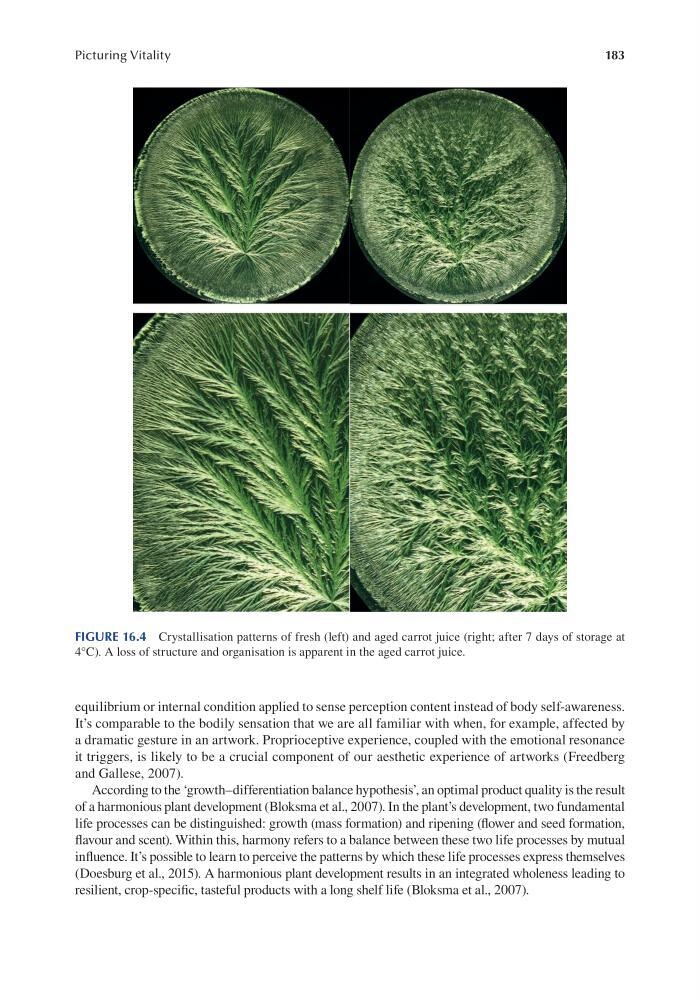
FIGURE 16.4 Crystallisation patterns of fresh (left) and aged carrot juice (right; after 7 days of storage at
4°C). A loss of structure and organisation is apparent in the aged carrot juice.
equilibrium or internal condition applied to sense perception content instead of body self-awareness.
It’s comparable to the bodily sensation that we are all familiar with when, for example, affected by
a dramatic gesture in an artwork. Proprioceptive experience, coupled with the emotional resonance
it triggers, is likely to be a crucial component of our aesthetic experience of artworks (Freedberg
and Gallese, 2007).
According to the ‘growth–differentiation balance hypothesis’, an optimal product quality is the result
of a harmonious plant development (Bloksma et al., 2007). In the plant’s development, two fundamental
life processes can be distinguished: growth (mass formation) and ripening (fower and seed formation,
favour and scent). Within this, harmony refers to a balance between these two life processes by mutual
infuence. It’s possible to learn to perceive the patterns by which these life processes express themselves
(Doesburg et al., 2015). A harmonious plant development results in an integrated wholeness leading to
resilient, crop-specifc, tasteful products with a long shelf life (Bloksma et al., 2007).