

7. This arrangement allows for manipulations of the HF cartridges (e.g., sample-taking) to be performed by simply switching off the peristaltic pump and closing the stopcock valve
above the CR before detaching the cartridge cassette from
the duet pump and transferring it, along with the CR, to the
BSC. No uncoupling of the tubing is required. Should any
tubing connection or component of the assembly come apart
during this procedure, there is no risk of bacterial release from
the system because bacteria are membrane-contained (0.1μm
pore size) within the ECS of the cartridge itself. Include additional clamps on input and output tubing lines. These can be
applied to avoid backflow when pump cassettes are examined.
8. During long-term experiments (>1 week), check the peristaltic
pump tubing regularly for signs of wear/flattening caused by
the rollers. This wear may lead to inaccurate volume delivery
and eventually loss of fluid flow when the tubing loses elasticity.
The use of “3-stop” pump tubing, which allows for adjustment
of tubing position on the pump rollers, is strongly
recommended.
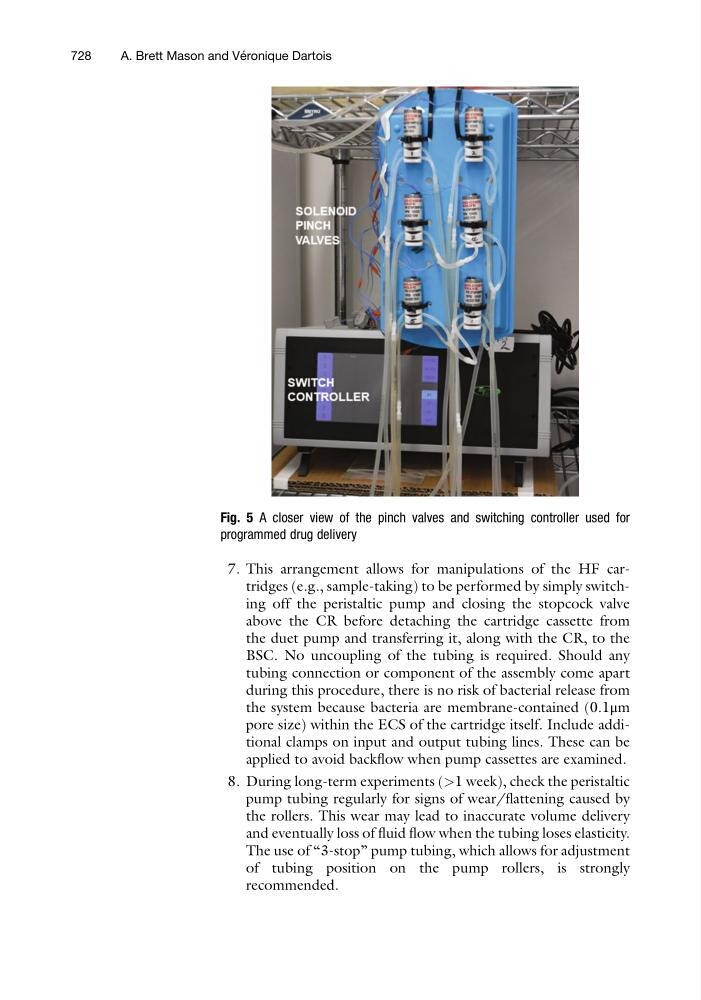
Fig. 5 A closer view of the pinch valves and switching controller used for
programmed drug delivery
728
A. Brett Mason and Ve ´ ronique Dartois