

Zinc The fraction of organically complexed zinc
found in North Pacific waters averages 98.7%
(Figure 3A). As with copper, organic complexation of
zinc is dominated by a relatively zinc-specific organic
ligand (or ligand class) in surface waters shallower
than 200 m (Figure 3B). In this upper 200 m, the zinccomplexing ligand averages 1.2 nmol l
À1 and exceeds
the concentration of dissolved zinc at depths above
300 m (Figure 3B). The high degree of organic
complexation of zinc in the upper 300 m is caused by
the excess in ligand relative to that of dissolved zinc
and the strength of its zinc complexes. Organic
complexation of zinc reduces the concentration of
inorganic zinc species to 2 Â 10
À12 mol l
À1
.
Concentrations of free Zn
2þ vary with depth from
B10
À11.8 mol l
À1
, at depths less than 200 m,
increasing to B10
À8.6 mol l
À1 at a depth of 600 m.
Iron Fe
3þ forms complexes with natural organic
ligands (like humic substances) that help keep this
very insoluble cation in solution at elevated levels in
estuarine and coastal waters. In the North Pacific
and in the North Sea, researchers have determined
that more than 99% of dissolved Fe(II) is bound
with an extremely strong ligand class whose
concentration ranges from 1 to 5 nmol l
À1 and is in
excess of the ambient dissolved iron concentration.
These ligands have conditional stability constants
consistent with low molecular weight organic
substances called siderophores, which are produced
by bacteria to specifically obtain iron. The
availability of iron to aquatic primary producers has
become the focus of many research projects since
experiments have shown that in certain areas of the
world’s oceans iron availability is very low and may
regulate productivity and perhaps influence
atmospheric levels of carbon dioxide.
Other metals Organic complexation of other
dissolved transition metals and heavy metals (i.e., Cd,
Pb, Co, Ni, and Fe) has been investigated only much
more recently and the information on these metals is
not as defined or as extensive as for copper, iron and
zinc. Recent measurements of dissolved cadmium in
the North Pacific revealed that 70% was bound
by cadmium-specific organic ligands found only at
depths less than 175 m. Inorganic cadmium
concentrations varied from 0.7 Â 10
À12 mol l
À1 in
surface waters to 800 Â 10
À12 mol l
À1 at 600 m. The
free Cd
2þ
concentration ranged from 20 Â
10
À15 mol l
À1 in the surface, where organic complexation dominates the speciation, to 22 Â 10
À12 mol l
À1
at 600 m where chloro complexes appear to dominate
the inorganic speciation.
In the North Pacific, measurements of dissolved
lead in the surface waters revealed that 50% was
organically complexed by one class of strong organic
ligands found to have concentrations between 0.2
and 0.5 nmol l
À1 . The free Pb
2þ surface water concentration as a result of inorganic and organic
complexation was B0.4 Â 10
À12 mol l
À1 .
0
1
2
3
Depth
(m)
0
100
200
300
400
500
600
% Organically complexed copper
0
2 0
4 0
6 0
8 0
Depth
(m)
0
100
200
300
400
500
600
_ 13
_ 12
_ 11
_ 10
Depth
(m)
0
100
200
300
400
500
600
(A)
(C)
(B)
100
Copper and L 1 (nmol l
_ 1 )
log [Cu
2+ (nmol l
_ 1
)]
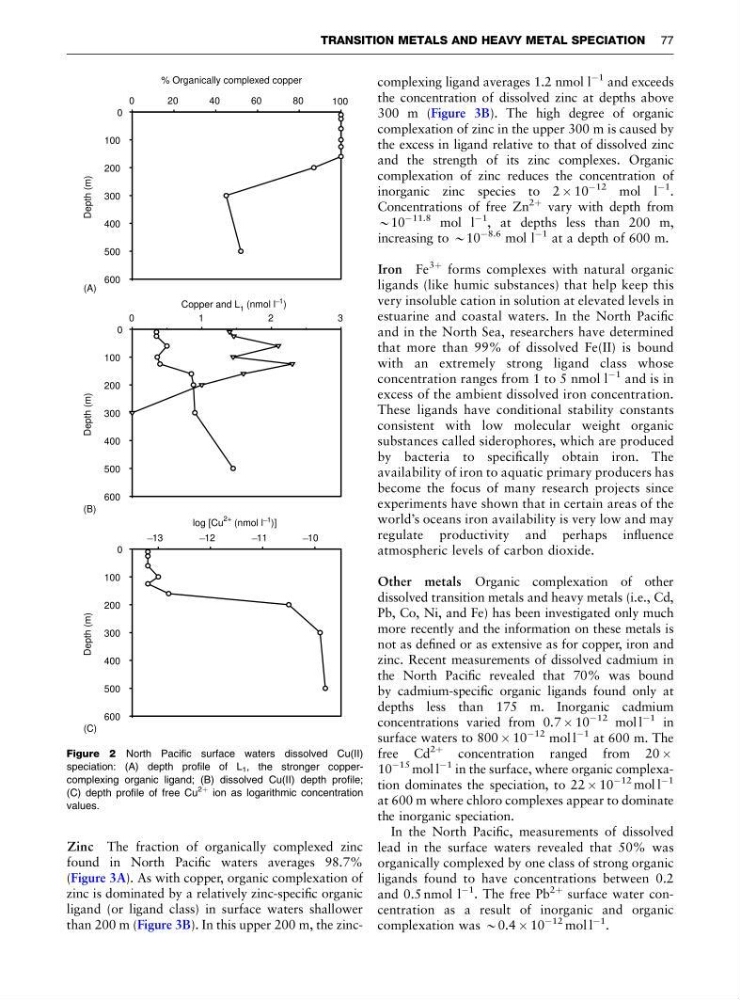
Figure 2 North Pacific surface waters dissolved Cu(II)
speciation: (A) depth profile of L 1 , the stronger coppercomplexing organic ligand; (B) dissolved Cu(II) depth profile;
(C) depth profile of free Cu
2þ ion as logarithmic concentration
values.
TRANSITION METALS AND HEAVY METAL SPECIATION 77
found in North Pacific waters averages 98.7%
(Figure 3A). As with copper, organic complexation of
zinc is dominated by a relatively zinc-specific organic
ligand (or ligand class) in surface waters shallower
than 200 m (Figure 3B). In this upper 200 m, the zinccomplexing ligand averages 1.2 nmol l
À1 and exceeds
the concentration of dissolved zinc at depths above
300 m (Figure 3B). The high degree of organic
complexation of zinc in the upper 300 m is caused by
the excess in ligand relative to that of dissolved zinc
and the strength of its zinc complexes. Organic
complexation of zinc reduces the concentration of
inorganic zinc species to 2 Â 10
À12 mol l
À1
.
Concentrations of free Zn
2þ vary with depth from
B10
À11.8 mol l
À1
, at depths less than 200 m,
increasing to B10
À8.6 mol l
À1 at a depth of 600 m.
Iron Fe
3þ forms complexes with natural organic
ligands (like humic substances) that help keep this
very insoluble cation in solution at elevated levels in
estuarine and coastal waters. In the North Pacific
and in the North Sea, researchers have determined
that more than 99% of dissolved Fe(II) is bound
with an extremely strong ligand class whose
concentration ranges from 1 to 5 nmol l
À1 and is in
excess of the ambient dissolved iron concentration.
These ligands have conditional stability constants
consistent with low molecular weight organic
substances called siderophores, which are produced
by bacteria to specifically obtain iron. The
availability of iron to aquatic primary producers has
become the focus of many research projects since
experiments have shown that in certain areas of the
world’s oceans iron availability is very low and may
regulate productivity and perhaps influence
atmospheric levels of carbon dioxide.
Other metals Organic complexation of other
dissolved transition metals and heavy metals (i.e., Cd,
Pb, Co, Ni, and Fe) has been investigated only much
more recently and the information on these metals is
not as defined or as extensive as for copper, iron and
zinc. Recent measurements of dissolved cadmium in
the North Pacific revealed that 70% was bound
by cadmium-specific organic ligands found only at
depths less than 175 m. Inorganic cadmium
concentrations varied from 0.7 Â 10
À12 mol l
À1 in
surface waters to 800 Â 10
À12 mol l
À1 at 600 m. The
free Cd
2þ
concentration ranged from 20 Â
10
À15 mol l
À1 in the surface, where organic complexation dominates the speciation, to 22 Â 10
À12 mol l
À1
at 600 m where chloro complexes appear to dominate
the inorganic speciation.
In the North Pacific, measurements of dissolved
lead in the surface waters revealed that 50% was
organically complexed by one class of strong organic
ligands found to have concentrations between 0.2
and 0.5 nmol l
À1 . The free Pb
2þ surface water concentration as a result of inorganic and organic
complexation was B0.4 Â 10
À12 mol l
À1 .
0
1
2
3
Depth
(m)
0
100
200
300
400
500
600
% Organically complexed copper
0
2 0
4 0
6 0
8 0
Depth
(m)
0
100
200
300
400
500
600
_ 13
_ 12
_ 11
_ 10
Depth
(m)
0
100
200
300
400
500
600
(A)
(C)
(B)
100
Copper and L 1 (nmol l
_ 1 )
log [Cu
2+ (nmol l
_ 1
)]
Figure 2 North Pacific surface waters dissolved Cu(II)
speciation: (A) depth profile of L 1 , the stronger coppercomplexing organic ligand; (B) dissolved Cu(II) depth profile;
(C) depth profile of free Cu
2þ ion as logarithmic concentration
values.
TRANSITION METALS AND HEAVY METAL SPECIATION 77