

isotope effect estimates for ‘denitrification’ have inherently included the effect of anammox, in that they
regress the nitrate d
15
N increase against the total nitrate deficit relative to phosphate, and ammonium is
not observed to accumulate.
Internal Cycling
The fluxes associated with internal cycling are neither sources nor sinks of fixed N but affect the distributions of N species and isotopes in the ocean.
N assimilation In the surface ocean, phytoplankton
assimilate fixed N (nitrate and ammonium, as well as
nitrite, urea, and other organic N compounds)
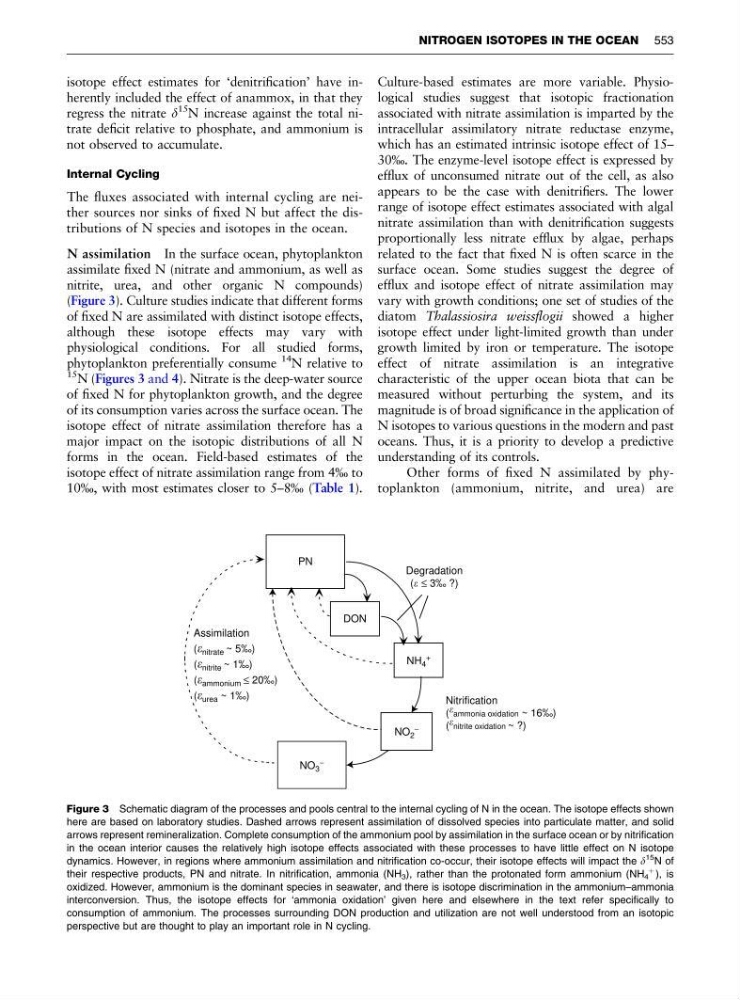
(Figure 3). Culture studies indicate that different forms
of fixed N are assimilated with distinct isotope effects,
although these isotope effects may vary with
physiological conditions. For all studied forms,
phytoplankton preferentially consume
14
N relative to
15
N (Figures 3 and 4). Nitrate is the deep-water source
of fixed N for phytoplankton growth, and the degree
of its consumption varies across the surface ocean. The
isotope effect of nitrate assimilation therefore has a
major impact on the isotopic distributions of all N
forms in the ocean. Field-based estimates of the
isotope effect of nitrate assimilation range from 4% to
10%, with most estimates closer to 5–8% (Table 1).
Culture-based estimates are more variable. Physiological studies suggest that isotopic fractionation
associated with nitrate assimilation is imparted by the
intracellular assimilatory nitrate reductase enzyme,
which has an estimated intrinsic isotope effect of 15–
30%. The enzyme-level isotope effect is expressed by
efflux of unconsumed nitrate out of the cell, as also
appears to be the case with denitrifiers. The lower
range of isotope effect estimates associated with algal
nitrate assimilation than with denitrification suggests
proportionally less nitrate efflux by algae, perhaps
related to the fact that fixed N is often scarce in the
surface ocean. Some studies suggest the degree of
efflux and isotope effect of nitrate assimilation may
vary with growth conditions; one set of studies of the
diatom Thalassiosira weissflogii showed a higher
isotope effect under light-limited growth than under
growth limited by iron or temperature. The isotope
effect of nitrate assimilation is an integrative
characteristic of the upper ocean biota that can be
measured without perturbing the system, and its
magnitude is of broad significance in the application of
N isotopes to various questions in the modern and past
oceans. Thus, it is a priority to develop a predictive
understanding of its controls.
Other forms of fixed N assimilated by phytoplankton (ammonium, nitrite, and urea) are
PN
NH 4
+
Degradation
( ≤ 3‰ ?)
Assimilation
( nitrate ~ 5‰)
( nitrite ~ 1‰)
( ammonium 20‰)
( urea ~ 1‰)
DON
Nitrification
( ammonia oxidation ~ 16‰)
( nitrite oxidation ~ ?)
NO 2
−
NO 3
−
Figure 3 Schematic diagram of the processes and pools central to the internal cycling of N in the ocean. The isotope effects shown
here are based on laboratory studies. Dashed arrows represent assimilation of dissolved species into particulate matter, and solid
arrows represent remineralization. Complete consumption of the ammonium pool by assimilation in the surface ocean or by nitrification
in the ocean interior causes the relatively high isotope effects associated with these processes to have little effect on N isotope
dynamics. However, in regions where ammonium assimilation and nitrification co-occur, their isotope effects will impact the d
15 N of
their respective products, PN and nitrate. In nitrification, ammonia (NH 3 ), rather than the protonated form ammonium (NH 4
þ ), is
oxidized. However, ammonium is the dominant species in seawater, and there is isotope discrimination in the ammonium–ammonia
interconversion. Thus, the isotope effects for ‘ammonia oxidation’ given here and elsewhere in the text refer specifically to
consumption of ammonium. The processes surrounding DON production and utilization are not well understood from an isotopic
perspective but are thought to play an important role in N cycling.
NITROGEN ISOTOPES IN THE OCEAN 553
regress the nitrate d
15
N increase against the total nitrate deficit relative to phosphate, and ammonium is
not observed to accumulate.
Internal Cycling
The fluxes associated with internal cycling are neither sources nor sinks of fixed N but affect the distributions of N species and isotopes in the ocean.
N assimilation In the surface ocean, phytoplankton
assimilate fixed N (nitrate and ammonium, as well as
nitrite, urea, and other organic N compounds)
(Figure 3). Culture studies indicate that different forms
of fixed N are assimilated with distinct isotope effects,
although these isotope effects may vary with
physiological conditions. For all studied forms,
phytoplankton preferentially consume
14
N relative to
15
N (Figures 3 and 4). Nitrate is the deep-water source
of fixed N for phytoplankton growth, and the degree
of its consumption varies across the surface ocean. The
isotope effect of nitrate assimilation therefore has a
major impact on the isotopic distributions of all N
forms in the ocean. Field-based estimates of the
isotope effect of nitrate assimilation range from 4% to
10%, with most estimates closer to 5–8% (Table 1).
Culture-based estimates are more variable. Physiological studies suggest that isotopic fractionation
associated with nitrate assimilation is imparted by the
intracellular assimilatory nitrate reductase enzyme,
which has an estimated intrinsic isotope effect of 15–
30%. The enzyme-level isotope effect is expressed by
efflux of unconsumed nitrate out of the cell, as also
appears to be the case with denitrifiers. The lower
range of isotope effect estimates associated with algal
nitrate assimilation than with denitrification suggests
proportionally less nitrate efflux by algae, perhaps
related to the fact that fixed N is often scarce in the
surface ocean. Some studies suggest the degree of
efflux and isotope effect of nitrate assimilation may
vary with growth conditions; one set of studies of the
diatom Thalassiosira weissflogii showed a higher
isotope effect under light-limited growth than under
growth limited by iron or temperature. The isotope
effect of nitrate assimilation is an integrative
characteristic of the upper ocean biota that can be
measured without perturbing the system, and its
magnitude is of broad significance in the application of
N isotopes to various questions in the modern and past
oceans. Thus, it is a priority to develop a predictive
understanding of its controls.
Other forms of fixed N assimilated by phytoplankton (ammonium, nitrite, and urea) are
PN
NH 4
+
Degradation
( ≤ 3‰ ?)
Assimilation
( nitrate ~ 5‰)
( nitrite ~ 1‰)
( ammonium 20‰)
( urea ~ 1‰)
DON
Nitrification
( ammonia oxidation ~ 16‰)
( nitrite oxidation ~ ?)
NO 2
−
NO 3
−
Figure 3 Schematic diagram of the processes and pools central to the internal cycling of N in the ocean. The isotope effects shown
here are based on laboratory studies. Dashed arrows represent assimilation of dissolved species into particulate matter, and solid
arrows represent remineralization. Complete consumption of the ammonium pool by assimilation in the surface ocean or by nitrification
in the ocean interior causes the relatively high isotope effects associated with these processes to have little effect on N isotope
dynamics. However, in regions where ammonium assimilation and nitrification co-occur, their isotope effects will impact the d
15 N of
their respective products, PN and nitrate. In nitrification, ammonia (NH 3 ), rather than the protonated form ammonium (NH 4
þ ), is
oxidized. However, ammonium is the dominant species in seawater, and there is isotope discrimination in the ammonium–ammonia
interconversion. Thus, the isotope effects for ‘ammonia oxidation’ given here and elsewhere in the text refer specifically to
consumption of ammonium. The processes surrounding DON production and utilization are not well understood from an isotopic
perspective but are thought to play an important role in N cycling.
NITROGEN ISOTOPES IN THE OCEAN 553