

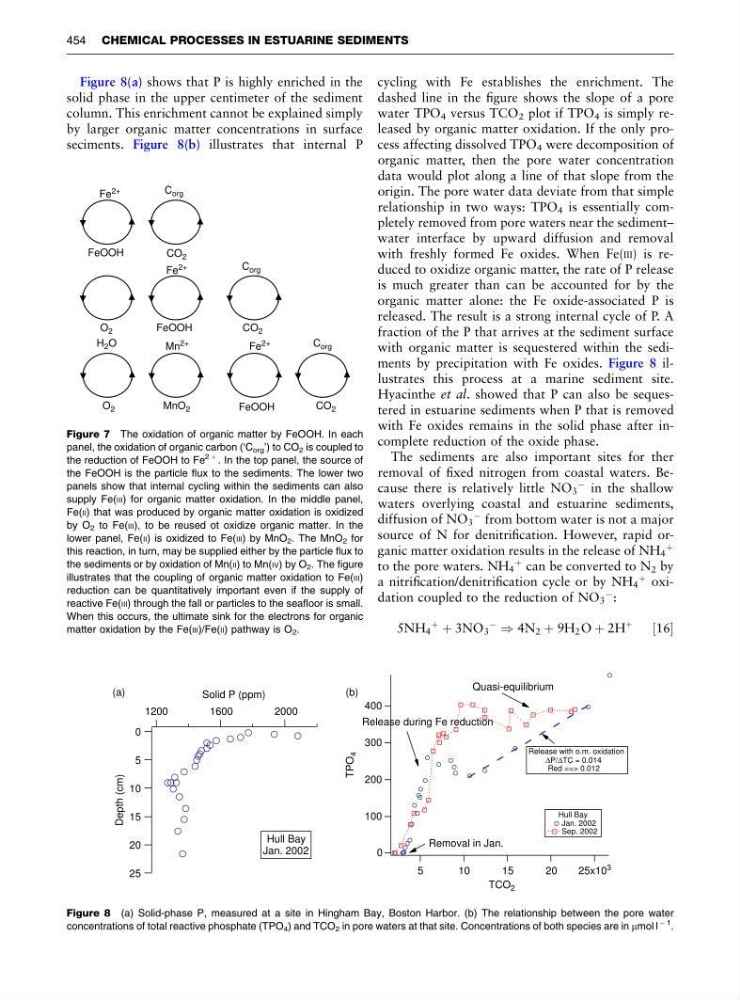
Figure 8(a) shows that P is highly enriched in the
solid phase in the upper centimeter of the sediment
column. This enrichment cannot be explained simply
by larger organic matter concentrations in surface
seciments. Figure 8(b) illustrates that internal P
cycling with Fe establishes the enrichment. The
dashed line in the figure shows the slope of a pore
water TPO 4 versus TCO 2 plot if TPO 4 is simply released by organic matter oxidation. If the only process affecting dissolved TPO 4 were decomposition of
organic matter, then the pore water concentration
data would plot along a line of that slope from the
origin. The pore water data deviate from that simple
relationship in two ways: TPO 4 is essentially completely removed from pore waters near the sediment–
water interface by upward diffusion and removal
with freshly formed Fe oxides. When Fe(III) is reduced to oxidize organic matter, the rate of P release
is much greater than can be accounted for by the
organic matter alone: the Fe oxide-associated P is
released. The result is a strong internal cycle of P. A
fraction of the P that arrives at the sediment surface
with organic matter is sequestered within the sediments by precipitation with Fe oxides. Figure 8 illustrates this process at a marine sediment site.
Hyacinthe et al. showed that P can also be sequestered in estuarine sediments when P that is removed
with Fe oxides remains in the solid phase after incomplete reduction of the oxide phase.
The sediments are also important sites for ther
removal of fixed nitrogen from coastal waters. Because there is relatively little NO 3
À in the shallow
waters overlying coastal and estuarine sediments,
diffusion of NO 3
À from bottom water is not a major
source of N for denitrification. However, rapid organic matter oxidation results in the release of NH 4
þ
to the pore waters. NH 4
þ can be converted to N 2 by
a nitrification/denitrification cycle or by NH 4
þ oxidation coupled to the reduction of NO 3
À :
5NH 4
þ þ 3NO 3
À ) 4N 2 þ 9H 2 O þ 2H
þ
½16
Fe
2+
C org
C org
CO 2
H 2 O
C org
FeOOH
Fe 2+
MnO 2
Mn
2+
O 2
O 2
CO 2
CO 2
FeOOH
Fe 2+
FeOOH
Figure 7 The oxidation of organic matter by FeOOH. In each
panel, the oxidation of organic carbon (‘C org ’) to CO 2 is coupled to
the reduction of FeOOH to Fe
2 þ . In the top panel, the source of
the FeOOH is the particle flux to the sediments. The lower two
panels show that internal cycling within the sediments can also
supply Fe(III) for organic matter oxidation. In the middle panel,
Fe(II) that was produced by organic matter oxidation is oxidized
by O 2 to Fe(III), to be reused ot oxidize organic matter. In the
lower panel, Fe(II) is oxidized to Fe(III) by MnO 2 . The MnO 2 for
this reaction, in turn, may be supplied either by the particle flux to
the sediments or by oxidation of Mn(II) to Mn(IV) by O 2 . The figure
illustrates that the coupling of organic matter oxidation to Fe(III)
reduction can be quantitatively important even if the supply of
reactive Fe(III) through the fall or particles to the seafloor is small.
When this occurs, the ultimate sink for the electrons for organic
matter oxidation by the Fe(III)/Fe(II) pathway is O 2 .
25
20
15
10
5
0
Depth (cm)
2000
1600
1200
Solid P (ppm)
Hull Bay
Jan. 2002
400
300
200
100
0
TPO
4
25x10
3
20
15
10
5
TCO 2
Removal in Jan.
Release during Fe reduction
Quasi-equilibrium
Release with o.m. oxidation
ΔP/ΔTC = 0.014
Red ==> 0.012
Hull Bay
Jan. 2002
Sep. 2002
(a)
(b)
Figure 8 (a) Solid-phase P, measured at a site in Hingham Bay, Boston Harbor. (b) The relationship between the pore water
concentrations of total reactive phosphate (TPO 4 ) and TCO 2 in pore waters at that site. Concentrations of both species are in mmol l
À 1
.
454 CHEMICAL PROCESSES IN ESTUARINE SEDIMENTS
solid phase in the upper centimeter of the sediment
column. This enrichment cannot be explained simply
by larger organic matter concentrations in surface
seciments. Figure 8(b) illustrates that internal P
cycling with Fe establishes the enrichment. The
dashed line in the figure shows the slope of a pore
water TPO 4 versus TCO 2 plot if TPO 4 is simply released by organic matter oxidation. If the only process affecting dissolved TPO 4 were decomposition of
organic matter, then the pore water concentration
data would plot along a line of that slope from the
origin. The pore water data deviate from that simple
relationship in two ways: TPO 4 is essentially completely removed from pore waters near the sediment–
water interface by upward diffusion and removal
with freshly formed Fe oxides. When Fe(III) is reduced to oxidize organic matter, the rate of P release
is much greater than can be accounted for by the
organic matter alone: the Fe oxide-associated P is
released. The result is a strong internal cycle of P. A
fraction of the P that arrives at the sediment surface
with organic matter is sequestered within the sediments by precipitation with Fe oxides. Figure 8 illustrates this process at a marine sediment site.
Hyacinthe et al. showed that P can also be sequestered in estuarine sediments when P that is removed
with Fe oxides remains in the solid phase after incomplete reduction of the oxide phase.
The sediments are also important sites for ther
removal of fixed nitrogen from coastal waters. Because there is relatively little NO 3
À in the shallow
waters overlying coastal and estuarine sediments,
diffusion of NO 3
À from bottom water is not a major
source of N for denitrification. However, rapid organic matter oxidation results in the release of NH 4
þ
to the pore waters. NH 4
þ can be converted to N 2 by
a nitrification/denitrification cycle or by NH 4
þ oxidation coupled to the reduction of NO 3
À :
5NH 4
þ þ 3NO 3
À ) 4N 2 þ 9H 2 O þ 2H
þ
½16
Fe
2+
C org
C org
CO 2
H 2 O
C org
FeOOH
Fe 2+
MnO 2
Mn
2+
O 2
O 2
CO 2
CO 2
FeOOH
Fe 2+
FeOOH
Figure 7 The oxidation of organic matter by FeOOH. In each
panel, the oxidation of organic carbon (‘C org ’) to CO 2 is coupled to
the reduction of FeOOH to Fe
2 þ . In the top panel, the source of
the FeOOH is the particle flux to the sediments. The lower two
panels show that internal cycling within the sediments can also
supply Fe(III) for organic matter oxidation. In the middle panel,
Fe(II) that was produced by organic matter oxidation is oxidized
by O 2 to Fe(III), to be reused ot oxidize organic matter. In the
lower panel, Fe(II) is oxidized to Fe(III) by MnO 2 . The MnO 2 for
this reaction, in turn, may be supplied either by the particle flux to
the sediments or by oxidation of Mn(II) to Mn(IV) by O 2 . The figure
illustrates that the coupling of organic matter oxidation to Fe(III)
reduction can be quantitatively important even if the supply of
reactive Fe(III) through the fall or particles to the seafloor is small.
When this occurs, the ultimate sink for the electrons for organic
matter oxidation by the Fe(III)/Fe(II) pathway is O 2 .
25
20
15
10
5
0
Depth (cm)
2000
1600
1200
Solid P (ppm)
Hull Bay
Jan. 2002
400
300
200
100
0
TPO
4
25x10
3
20
15
10
5
TCO 2
Removal in Jan.
Release during Fe reduction
Quasi-equilibrium
Release with o.m. oxidation
ΔP/ΔTC = 0.014
Red ==> 0.012
Hull Bay
Jan. 2002
Sep. 2002
(a)
(b)
Figure 8 (a) Solid-phase P, measured at a site in Hingham Bay, Boston Harbor. (b) The relationship between the pore water
concentrations of total reactive phosphate (TPO 4 ) and TCO 2 in pore waters at that site. Concentrations of both species are in mmol l
À 1
.
454 CHEMICAL PROCESSES IN ESTUARINE SEDIMENTS