

piles. New chimneys are constructed on top of the
mounds as the mounds grow in size. Hydrothermal
plume particles and particulate debris from chimneys
settle around the periphery of the mounds to form
layers of hydrothermal sediment. Diffuse seepage of
fluids also precipitates mineral encrustations on
mound surfaces, on volcanic flows and sediments,
and on biological substrates, such as microbial mats
or the shells and tubes of sessile macrofauna.
The morphologies of chimneys are highly variable
and evolve as the chimneys grow, becoming more
complex with time. Black smoker chimneys are often
colonized by organisms and evolve into ‘white smokers’ that emit diffuse, diluted vent fluids through a
porous carapace of worm tubes (Figure 1). Fluid
compositions and temperatures, flow dynamics, and
biota are all factors that influence the development of
chimney morphology. The complexity of the interactions between these factors, and the high degree of
spatial–temporal heterogeneity in the physical,
chemical, biological and geological conditions influencing chimney growth, account for the diverse
morphologies exhibited by chimneys, and present a
challenge to researchers attempting to unravel the
processes producing these morphologies.
The sizes of hydrothermal mineral deposits on
ridges also vary widely. It has been suggested that the
largest deposits are accumulating on sedimented
ridges, where almost all of the metals in the fluids are
Cross-section chimney wall
+
+
+
+
+
+
+
+
+
+
+
+
+
+
+
+
Hydrothermal
fluid
Hydrothermal
fluid
+
+
+
+
+
+
+
+
+
+
+
+
+
+
+
+
+ + +
+
+
Pillow basalt
+
+
+
+
Anhydrite ± (caminite) +
FeS and Zn(Fe)S
2
Fine-grained pyrrhotite + pyrite
+ sphalerite intergrowths in
an anhydrite matrix
Arrows indicate
directions of growth
(A)
Chalcopyrite, or cubanite +
(pyrrhotite)
Cu _ Fe sulfides in an anhydrite
matrix
As in stage I:higher
sulfide:sulfate ratio
Pillow basalt
(B)
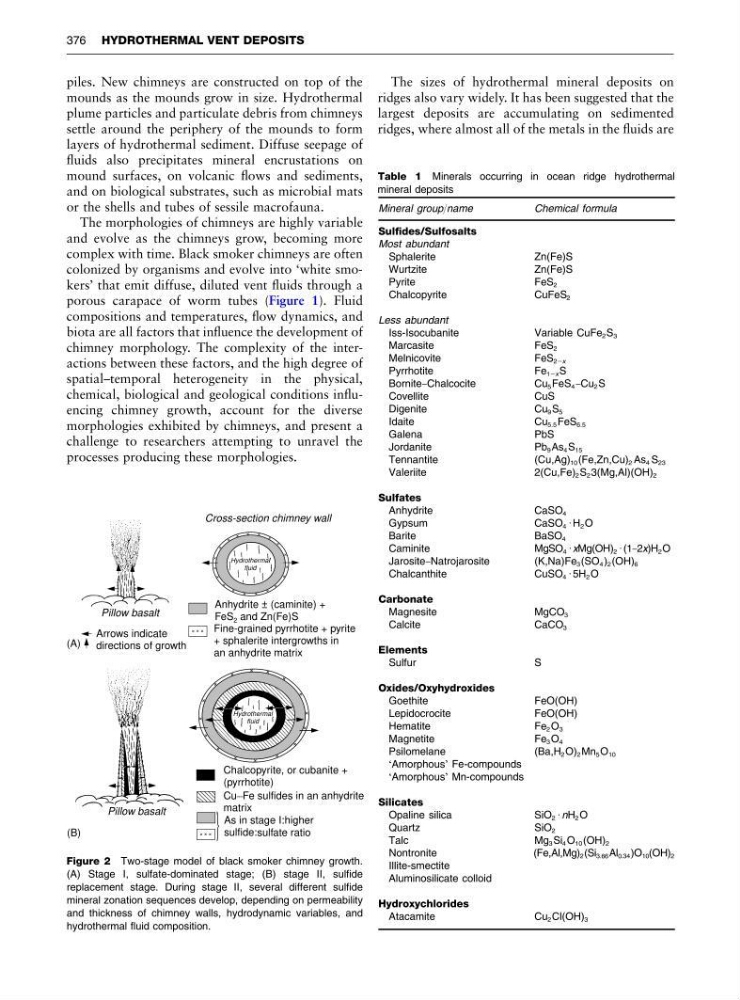
Figure 2 Two-stage model of black smoker chimney growth.
(A) Stage I, sulfate-dominated stage; (B) stage II, sulfide
replacement stage. During stage II, several different sulfide
mineral zonation sequences develop, depending on permeability
and thickness of chimney walls, hydrodynamic variables, and
hydrothermal fluid composition.
Table 1 Minerals occurring in ocean ridge hydrothermal
mineral deposits
376 HYDROTHERMAL VENT DEPOSITS
mounds as the mounds grow in size. Hydrothermal
plume particles and particulate debris from chimneys
settle around the periphery of the mounds to form
layers of hydrothermal sediment. Diffuse seepage of
fluids also precipitates mineral encrustations on
mound surfaces, on volcanic flows and sediments,
and on biological substrates, such as microbial mats
or the shells and tubes of sessile macrofauna.
The morphologies of chimneys are highly variable
and evolve as the chimneys grow, becoming more
complex with time. Black smoker chimneys are often
colonized by organisms and evolve into ‘white smokers’ that emit diffuse, diluted vent fluids through a
porous carapace of worm tubes (Figure 1). Fluid
compositions and temperatures, flow dynamics, and
biota are all factors that influence the development of
chimney morphology. The complexity of the interactions between these factors, and the high degree of
spatial–temporal heterogeneity in the physical,
chemical, biological and geological conditions influencing chimney growth, account for the diverse
morphologies exhibited by chimneys, and present a
challenge to researchers attempting to unravel the
processes producing these morphologies.
The sizes of hydrothermal mineral deposits on
ridges also vary widely. It has been suggested that the
largest deposits are accumulating on sedimented
ridges, where almost all of the metals in the fluids are
Cross-section chimney wall
+
+
+
+
+
+
+
+
+
+
+
+
+
+
+
+
Hydrothermal
fluid
Hydrothermal
fluid
+
+
+
+
+
+
+
+
+
+
+
+
+
+
+
+
+ + +
+
+
Pillow basalt
+
+
+
+
Anhydrite ± (caminite) +
FeS and Zn(Fe)S
2
Fine-grained pyrrhotite + pyrite
+ sphalerite intergrowths in
an anhydrite matrix
Arrows indicate
directions of growth
(A)
Chalcopyrite, or cubanite +
(pyrrhotite)
Cu _ Fe sulfides in an anhydrite
matrix
As in stage I:higher
sulfide:sulfate ratio
Pillow basalt
(B)
Figure 2 Two-stage model of black smoker chimney growth.
(A) Stage I, sulfate-dominated stage; (B) stage II, sulfide
replacement stage. During stage II, several different sulfide
mineral zonation sequences develop, depending on permeability
and thickness of chimney walls, hydrodynamic variables, and
hydrothermal fluid composition.
Table 1 Minerals occurring in ocean ridge hydrothermal
mineral deposits
376 HYDROTHERMAL VENT DEPOSITS