

deposited within the sediments rather than being
dispersed into the oceans by hydrothermal plumes.
On unsedimented ridges, the structures deposited on
the seabed at fast spreading rates are usually relatively small in dimension (mounds are typically less
than a few meters in thickness and less than tens of
meters in length, and vertical structures are o15 m
high). On intermediate- and slow-spreading ridges,
mounds are sometimes much larger (up to tens of
meters in thickness, and up to 300 m in length). On
the Endeavour Segment of the Juan de Fuca Ridge,
vertical structures reach heights of 45 m. The size of
a deposit depends on many factors, including: magnitude of the heat source, which influences the duration of venting and mineral deposition; tendency of
venting and mineral deposition to recur episodically
at a particular site, which depends on the nature of
the heat source and plumbing system, and the rate of
seafloor spreading; frequency with which deposits
are buried beneath lava flows; and the compositions
of the vent fluids and minerals. The large deposits
found on slower-spreading ridge crests are located on
faults that have moved slowly away from the ridge
axis and have experienced repeated episodes of
venting and accumulated mineral deposition over
thousands of years, without being buried by lava
flows. The tall Endeavor Segment edifices are formed
because ammonia-enriched fluid compositions favor
precipitation of silica in the edifice walls. The silica is
strong enough to stabilize these structures so that
they do not collapse as they grow taller.
How Do Chimneys Grow?
A relatively simple two-stage inorganic growth
model has been advanced to explain the basic characteristics of black smoker chimneys (Figure 2). In
this model, a chimney wall composed largely of anhydrite (calcium sulfate) precipitates initially from
sea water that is heated around discharging jets of
hydrothermal fluid. The anhydrite-rich chimney wall
precipitated during stage I contains only a small
component of metal sulfide mineral particles that
crystallize because of rapid chilling of the hydrothermal fluids. In stage II, the anhydrite-rich wall
continues to grow upward and to thicken radially,
protecting the fluid flowing through the chimney
from very rapid chilling and dilution by sea water.
This allows metal sulfide minerals to precipitate into
the central conduit of the chimney from the hydrothermal fluid. The hydrothermal fluid percolates
outward through the chimney wall, gradually replacing anhydrite and filling voids with metal
sulfide minerals. During stage II, the chimney increases in height, girth and wall thickness, and both
the calcium sulfate/metal sulfide ratio and permeability of the walls decrease. Equilibration of
minerals with pore fluid in the walls occurs continuously along steep, time–variant temperature and
chemical gradients between fluids in the central
conduit and sea water surrounding the chimney. This
equilibration produces sequences of concentric
mineral zones across chimney walls that evolve with
changes in thermal and chemical gradients and wall
permeability.
The model of chimney growth described above is
accurate but incomplete, as it does not include the
effects on chimney development of fluid phase separation, biological activity, or variations in fluid
composition. Augmented models that address these
complexities are needed to fully characterize the
processes governing chimney growth.
Elemental and Mineral Compositions
of Deposits
Ridge crest hydrothermal deposits are composed
predominantly of iron-, copper- and zinc sulfide
minerals, calcium- and barium-sulfate minerals, iron
oxide and iron oxyhydroxide minerals, and silicate
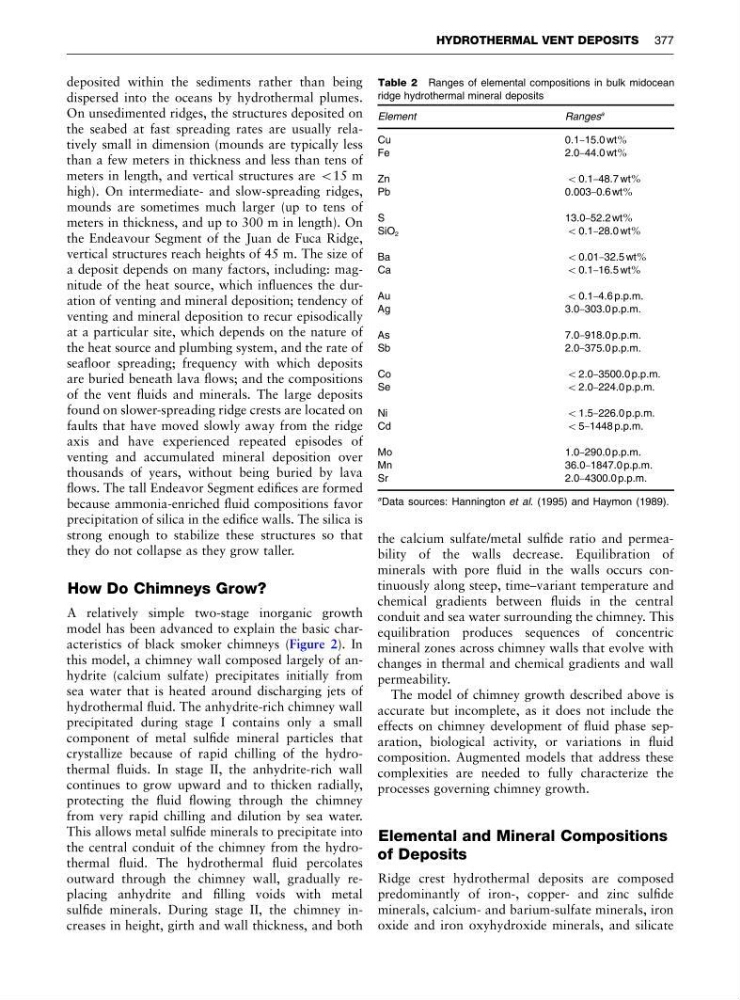
Table 2 Ranges of elemental compositions in bulk midocean
ridge hydrothermal mineral deposits
HYDROTHERMAL VENT DEPOSITS 377
dispersed into the oceans by hydrothermal plumes.
On unsedimented ridges, the structures deposited on
the seabed at fast spreading rates are usually relatively small in dimension (mounds are typically less
than a few meters in thickness and less than tens of
meters in length, and vertical structures are o15 m
high). On intermediate- and slow-spreading ridges,
mounds are sometimes much larger (up to tens of
meters in thickness, and up to 300 m in length). On
the Endeavour Segment of the Juan de Fuca Ridge,
vertical structures reach heights of 45 m. The size of
a deposit depends on many factors, including: magnitude of the heat source, which influences the duration of venting and mineral deposition; tendency of
venting and mineral deposition to recur episodically
at a particular site, which depends on the nature of
the heat source and plumbing system, and the rate of
seafloor spreading; frequency with which deposits
are buried beneath lava flows; and the compositions
of the vent fluids and minerals. The large deposits
found on slower-spreading ridge crests are located on
faults that have moved slowly away from the ridge
axis and have experienced repeated episodes of
venting and accumulated mineral deposition over
thousands of years, without being buried by lava
flows. The tall Endeavor Segment edifices are formed
because ammonia-enriched fluid compositions favor
precipitation of silica in the edifice walls. The silica is
strong enough to stabilize these structures so that
they do not collapse as they grow taller.
How Do Chimneys Grow?
A relatively simple two-stage inorganic growth
model has been advanced to explain the basic characteristics of black smoker chimneys (Figure 2). In
this model, a chimney wall composed largely of anhydrite (calcium sulfate) precipitates initially from
sea water that is heated around discharging jets of
hydrothermal fluid. The anhydrite-rich chimney wall
precipitated during stage I contains only a small
component of metal sulfide mineral particles that
crystallize because of rapid chilling of the hydrothermal fluids. In stage II, the anhydrite-rich wall
continues to grow upward and to thicken radially,
protecting the fluid flowing through the chimney
from very rapid chilling and dilution by sea water.
This allows metal sulfide minerals to precipitate into
the central conduit of the chimney from the hydrothermal fluid. The hydrothermal fluid percolates
outward through the chimney wall, gradually replacing anhydrite and filling voids with metal
sulfide minerals. During stage II, the chimney increases in height, girth and wall thickness, and both
the calcium sulfate/metal sulfide ratio and permeability of the walls decrease. Equilibration of
minerals with pore fluid in the walls occurs continuously along steep, time–variant temperature and
chemical gradients between fluids in the central
conduit and sea water surrounding the chimney. This
equilibration produces sequences of concentric
mineral zones across chimney walls that evolve with
changes in thermal and chemical gradients and wall
permeability.
The model of chimney growth described above is
accurate but incomplete, as it does not include the
effects on chimney development of fluid phase separation, biological activity, or variations in fluid
composition. Augmented models that address these
complexities are needed to fully characterize the
processes governing chimney growth.
Elemental and Mineral Compositions
of Deposits
Ridge crest hydrothermal deposits are composed
predominantly of iron-, copper- and zinc sulfide
minerals, calcium- and barium-sulfate minerals, iron
oxide and iron oxyhydroxide minerals, and silicate
Table 2 Ranges of elemental compositions in bulk midocean
ridge hydrothermal mineral deposits
HYDROTHERMAL VENT DEPOSITS 377