

or P-types, indicative of an ‘enriched’ or ‘plume’
component (Table 1) typically associated with
intraplate ‘hot spots’. Transitional varieties are classified as T-MORB. Enriched MORB are volumetrically minor on most normal ridge segments, but
can comprise a significant proportion of the crust
around regions influenced by plume magmatism such
as the Galapagos Islands, the Azores, Tristan, Bouvet, and Iceland.
Mineralogy of Mid-ocean Ridge
Basalts
The minerals that crystallize from MORB magmas
are not only dependent on the composition of the
melt, but also the temperature and pressure during
crystallization. Because the majority of MORB
magmas have relatively similar major element compositions and probably begin to crystallize within the
uppermost mantle and oceanic crust (pressures less
than 0.3 GPa), they have similar mineralogy. Textures (including grain size) vary depending on nucleation and crystallization rates. Hence lavas, that
are quenched when erupted into sea water, have few
phenocrysts in a glassy to cryptocrystalline matrix.
Conversely, magmas that cool slowly in subaxial
reservoirs or magma chambers form gabbros that are
totally crystalline (holocrystalline) and composed of
well-formed minerals that can be up to a few centimeters long. Many of the gabbros recovered from the
ocean floor do not represent melt compositions but
rather reflect the accumulation of crystals and percolation of melt that occurs during convection,
deformation and fractional crystallization in the
mush zone hypothesized to exist beneath some midocean ridges (Figure 2). These cumulate gabbros are
composed of minerals that have settled (or floated)
out of cooling MORB magmas and their textures
often reflect compaction, magmatic sedimentation,
and deformation.
MOR lavas may contain millimeter-sized phenocrysts of the silicate minerals plagioclase (solid solution that ranges from CaAl 2 Si 2 O 8 to NaAlSi 3 O 8 )
and olivine (Mg 2 SiO 4 to Fe 2 SiO 4 ) and less commonly, clinopyroxene (Ca[Mg,Fe]Si 2 O 6 ). Spinel, a
Cr-Al rich oxide, is a common accessory phase in
more magnesian lavas where it is often enclosed in
larger olivine crystals. Olivine is abundant in the
most MgO-rich lavas, becomes less abundant in
more evolved lavas and is ultimately replaced by
pigeonite (a low-Ca pyroxene) in FeO-rich basalts
and andesite. Clinopyroxene is only common as a
phenocryst phase in relatively evolved lavas. Titanomagnetite, ilmenite and rare apatite are present as
microphenocrysts, although not abundantly, in basaltic andesites and andesites.
Intrusive rocks, which cool slowly within the
oceanic crust, have similar mineralogy but are
holocrystalline and typically much coarser grained.
Dikes form fine- to medium-grained diabase containing olivine, plagioclase and clinopyroxene as the
major phases, with minor amounts of ilmenite and
magnetite. Gabbros vary from medium-grained to
very coarse-grained with crystals up to a few centimeters in length. Because of their cumulate nature
and extended cooling histories, gabbros often exhibit
layering of crystals and have the widest mineralogic
variation. Similar to MORB, the least-evolved varieties (troctolites) consist almost entirely of plagioclase and olivine. Some gabbros can be nearly
monomineralic such as anorthosites (plagioclaserich) or contain monomineralic layers (such as olivine that forms layers or lenses of a rock called
dunite). The most commonly recovered varieties of
gabbro are composed of plagioclase, augite (a clinopyroxene) and hypersthene (orthopyroxene) with
minor amounts of olivine, ilmenite and magnetite
and, in some cases, hornblende (a hydrous Fe-Mg
silicate that forms during the latest stages of crystallization). Highly evolved liquids cool to form ferrogabbros and even rarer silica-rich plutonics known
as trondhjemites or plagiogranites.
The descriptions above pertain only to those portions of the oceanic crust that have not been tectonized or chemically altered. Because of the dynamic
nature of oceanic ridges and the pervasive hydrothermal circulation related to magmatism, it is
common for the basaltic rocks comprising the crust
La Ce Pr Nd
Sm Eu Gd Tb Dy Ho Y Er Tm Yb
Element
Chondrite normalized
100
10
1
MORB
FeTi
Andesite
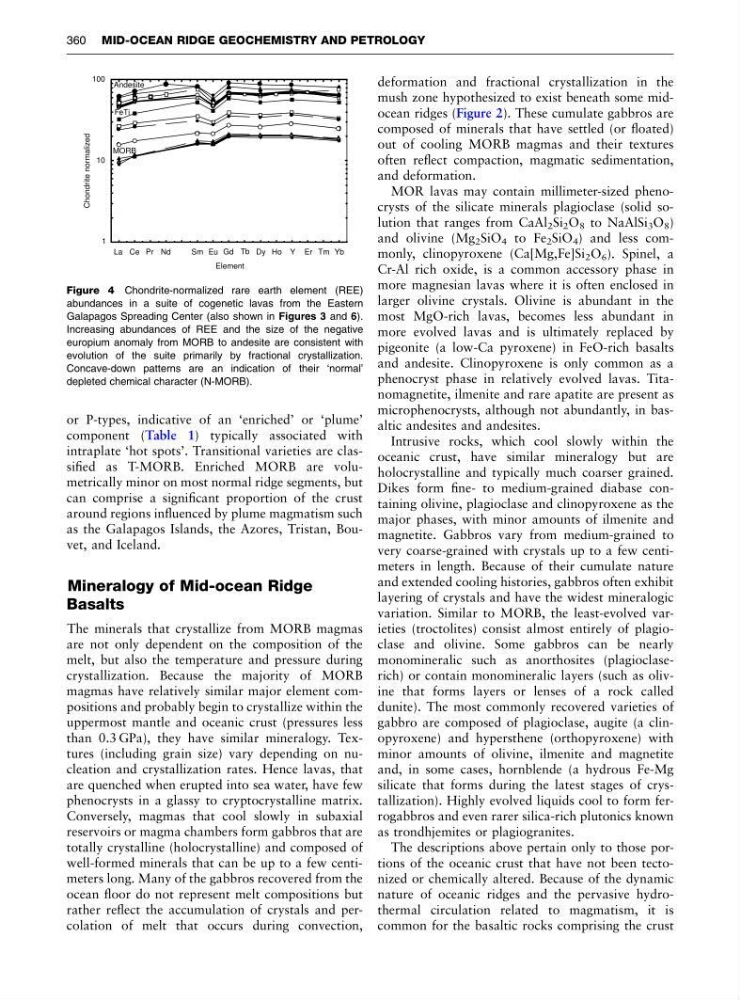
Figure 4 Chondrite-normalized rare earth element (REE)
abundances in a suite of cogenetic lavas from the Eastern
Galapagos Spreading Center (also shown in Figures 3 and 6).
Increasing abundances of REE and the size of the negative
europium anomaly from MORB to andesite are consistent with
evolution of the suite primarily by fractional crystallization.
Concave-down patterns are an indication of their ‘normal’
depleted chemical character (N-MORB).
360 MID-OCEAN RIDGE GEOCHEMISTRY AND PETROLOGY
component (Table 1) typically associated with
intraplate ‘hot spots’. Transitional varieties are classified as T-MORB. Enriched MORB are volumetrically minor on most normal ridge segments, but
can comprise a significant proportion of the crust
around regions influenced by plume magmatism such
as the Galapagos Islands, the Azores, Tristan, Bouvet, and Iceland.
Mineralogy of Mid-ocean Ridge
Basalts
The minerals that crystallize from MORB magmas
are not only dependent on the composition of the
melt, but also the temperature and pressure during
crystallization. Because the majority of MORB
magmas have relatively similar major element compositions and probably begin to crystallize within the
uppermost mantle and oceanic crust (pressures less
than 0.3 GPa), they have similar mineralogy. Textures (including grain size) vary depending on nucleation and crystallization rates. Hence lavas, that
are quenched when erupted into sea water, have few
phenocrysts in a glassy to cryptocrystalline matrix.
Conversely, magmas that cool slowly in subaxial
reservoirs or magma chambers form gabbros that are
totally crystalline (holocrystalline) and composed of
well-formed minerals that can be up to a few centimeters long. Many of the gabbros recovered from the
ocean floor do not represent melt compositions but
rather reflect the accumulation of crystals and percolation of melt that occurs during convection,
deformation and fractional crystallization in the
mush zone hypothesized to exist beneath some midocean ridges (Figure 2). These cumulate gabbros are
composed of minerals that have settled (or floated)
out of cooling MORB magmas and their textures
often reflect compaction, magmatic sedimentation,
and deformation.
MOR lavas may contain millimeter-sized phenocrysts of the silicate minerals plagioclase (solid solution that ranges from CaAl 2 Si 2 O 8 to NaAlSi 3 O 8 )
and olivine (Mg 2 SiO 4 to Fe 2 SiO 4 ) and less commonly, clinopyroxene (Ca[Mg,Fe]Si 2 O 6 ). Spinel, a
Cr-Al rich oxide, is a common accessory phase in
more magnesian lavas where it is often enclosed in
larger olivine crystals. Olivine is abundant in the
most MgO-rich lavas, becomes less abundant in
more evolved lavas and is ultimately replaced by
pigeonite (a low-Ca pyroxene) in FeO-rich basalts
and andesite. Clinopyroxene is only common as a
phenocryst phase in relatively evolved lavas. Titanomagnetite, ilmenite and rare apatite are present as
microphenocrysts, although not abundantly, in basaltic andesites and andesites.
Intrusive rocks, which cool slowly within the
oceanic crust, have similar mineralogy but are
holocrystalline and typically much coarser grained.
Dikes form fine- to medium-grained diabase containing olivine, plagioclase and clinopyroxene as the
major phases, with minor amounts of ilmenite and
magnetite. Gabbros vary from medium-grained to
very coarse-grained with crystals up to a few centimeters in length. Because of their cumulate nature
and extended cooling histories, gabbros often exhibit
layering of crystals and have the widest mineralogic
variation. Similar to MORB, the least-evolved varieties (troctolites) consist almost entirely of plagioclase and olivine. Some gabbros can be nearly
monomineralic such as anorthosites (plagioclaserich) or contain monomineralic layers (such as olivine that forms layers or lenses of a rock called
dunite). The most commonly recovered varieties of
gabbro are composed of plagioclase, augite (a clinopyroxene) and hypersthene (orthopyroxene) with
minor amounts of olivine, ilmenite and magnetite
and, in some cases, hornblende (a hydrous Fe-Mg
silicate that forms during the latest stages of crystallization). Highly evolved liquids cool to form ferrogabbros and even rarer silica-rich plutonics known
as trondhjemites or plagiogranites.
The descriptions above pertain only to those portions of the oceanic crust that have not been tectonized or chemically altered. Because of the dynamic
nature of oceanic ridges and the pervasive hydrothermal circulation related to magmatism, it is
common for the basaltic rocks comprising the crust
La Ce Pr Nd
Sm Eu Gd Tb Dy Ho Y Er Tm Yb
Element
Chondrite normalized
100
10
1
MORB
FeTi
Andesite
Figure 4 Chondrite-normalized rare earth element (REE)
abundances in a suite of cogenetic lavas from the Eastern
Galapagos Spreading Center (also shown in Figures 3 and 6).
Increasing abundances of REE and the size of the negative
europium anomaly from MORB to andesite are consistent with
evolution of the suite primarily by fractional crystallization.
Concave-down patterns are an indication of their ‘normal’
depleted chemical character (N-MORB).
360 MID-OCEAN RIDGE GEOCHEMISTRY AND PETROLOGY