

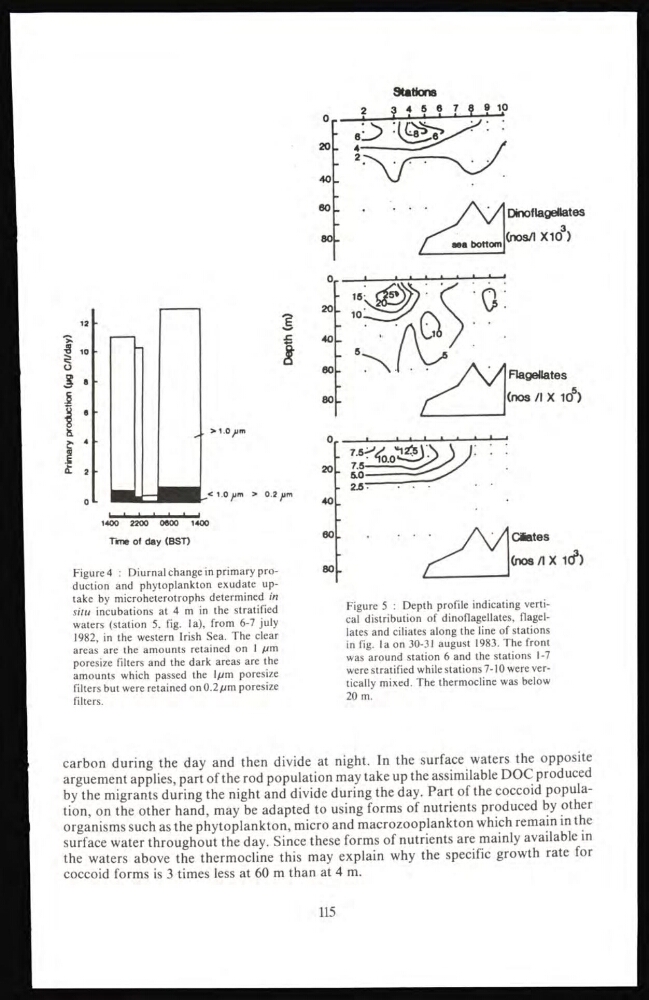
Figure 4 : Diurnal change in primary production and phytoplankton exudate uptake by microheterotrophs determined in
situ incubations at 4 m in the stratified
waters (station 5, fig. 1a), from 6-7 july
1982, in the western Irish Sea. The clear
areas are the amounts retained on 1 µm
poresize filters and the dark areas are the
amounts which passed the 1µm poresize
filters but were retained on 0.2 µm poresize
filters.
Figure 5 : Depth profile indicating vertical distribution of dinoflagellates, flagellates and ciliates along the line of stations
in fig. la on 30-31 august 1983. The front
was around station 6 and the stations 1-7
were stratified while stations 7-10 were vertically mixed. The thermocline was below
20 m.
carbon during the day and then divide at night. In the surface waters the opposite
arguement applies, part of the rod population may take up the assimilable DOC produced
by the migrants during the night and divide during the day. Part of the coccoid population, on the other hand, may be adapted to using forms of nutrients produced by other
organisms such as the phytoplankton, micro and macrozooplankton which remain in t e
surface water throughout the day. Since these forms of nutrients are mainly available in
the waters above the thermocline this may explain why the specific growth rate or
coccoid forms is 3 times less at 60 m than at 4 m.
115
situ incubations at 4 m in the stratified
waters (station 5, fig. 1a), from 6-7 july
1982, in the western Irish Sea. The clear
areas are the amounts retained on 1 µm
poresize filters and the dark areas are the
amounts which passed the 1µm poresize
filters but were retained on 0.2 µm poresize
filters.
Figure 5 : Depth profile indicating vertical distribution of dinoflagellates, flagellates and ciliates along the line of stations
in fig. la on 30-31 august 1983. The front
was around station 6 and the stations 1-7
were stratified while stations 7-10 were vertically mixed. The thermocline was below
20 m.
carbon during the day and then divide at night. In the surface waters the opposite
arguement applies, part of the rod population may take up the assimilable DOC produced
by the migrants during the night and divide during the day. Part of the coccoid population, on the other hand, may be adapted to using forms of nutrients produced by other
organisms such as the phytoplankton, micro and macrozooplankton which remain in t e
surface water throughout the day. Since these forms of nutrients are mainly available in
the waters above the thermocline this may explain why the specific growth rate or
coccoid forms is 3 times less at 60 m than at 4 m.
115