

112
P. W. KENT
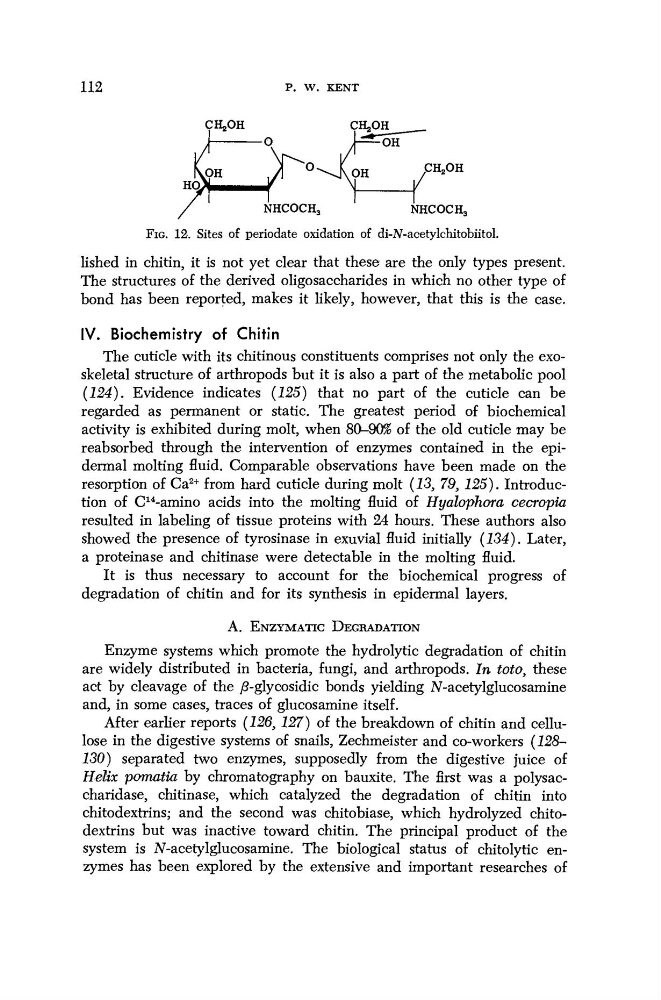
FIG. 12. Sites of periodate oxidation of di-N-acetylchitobiitol.
lished in chitin, it is not yet clear that these are the only types present.
The structures of the derived oligosaccharides in which no other type of
bond has been reported, makes it likely, however, that this is the case.
IV. Biochemistry of Chitin
The cuticle with its chitinous constituents comprises not only the exoskeletal structure of arthropods but it is also a part of the metabolic pool
(124). Evidence indicates (125) that no part of the cuticle can be
regarded as permanent or static. The greatest period of biochemical
activity is exhibited during molt, when 80-90% of the old cuticle may be
reabsorbed through the intervention of enzymes contained in the epidermal molting fluid. Comparable observations have been made on the
resorption of Ca
2+ from hard cuticle during molt (13, 79, 125). Introduction of C
14
-amino acids into the molting fluid of Hyalophora cecropia
resulted in labeling of tissue proteins with 24 hours. These authors also
showed the presence of tyrosinase in exuvial fluid initially (134). Later,
a proteinase and chitinase were detectable in the molting fluid.
It is thus necessary to account for the biochemical progress of
degradation of chitin and for its synthesis in epidermal layers.
A. ENZYMATIC DEGRADATION
Enzyme systems which promote the hydrolytic degradation of chitin
are widely distributed in bacteria, fungi, and arthropods. In toto, these
act by cleavage of the /?-glycosidic bonds yielding N-acetylglucosamine
and, in some cases, traces of glucosamine itself.
After earlier reports (126, 127) of the breakdown of chitin and cellulose in the digestive systems of snails, Zechmeister and co-workers (128130) separated two enzymes, supposedly from the digestive juice of
Helix pomatia by chromatography on bauxite. The first was a polysaccharidase, chitinase, which catalyzed the degradation of chitin into
chitodextrins; and the second was chitobiase, which hydrolyzed chitodextrins but was inactive toward chitin. The principal product of the
system is N-acetylglucosamine. The biological status of chitolytic enzymes has been explored by the extensive and important researches of
P. W. KENT
FIG. 12. Sites of periodate oxidation of di-N-acetylchitobiitol.
lished in chitin, it is not yet clear that these are the only types present.
The structures of the derived oligosaccharides in which no other type of
bond has been reported, makes it likely, however, that this is the case.
IV. Biochemistry of Chitin
The cuticle with its chitinous constituents comprises not only the exoskeletal structure of arthropods but it is also a part of the metabolic pool
(124). Evidence indicates (125) that no part of the cuticle can be
regarded as permanent or static. The greatest period of biochemical
activity is exhibited during molt, when 80-90% of the old cuticle may be
reabsorbed through the intervention of enzymes contained in the epidermal molting fluid. Comparable observations have been made on the
resorption of Ca
2+ from hard cuticle during molt (13, 79, 125). Introduction of C
14
-amino acids into the molting fluid of Hyalophora cecropia
resulted in labeling of tissue proteins with 24 hours. These authors also
showed the presence of tyrosinase in exuvial fluid initially (134). Later,
a proteinase and chitinase were detectable in the molting fluid.
It is thus necessary to account for the biochemical progress of
degradation of chitin and for its synthesis in epidermal layers.
A. ENZYMATIC DEGRADATION
Enzyme systems which promote the hydrolytic degradation of chitin
are widely distributed in bacteria, fungi, and arthropods. In toto, these
act by cleavage of the /?-glycosidic bonds yielding N-acetylglucosamine
and, in some cases, traces of glucosamine itself.
After earlier reports (126, 127) of the breakdown of chitin and cellulose in the digestive systems of snails, Zechmeister and co-workers (128130) separated two enzymes, supposedly from the digestive juice of
Helix pomatia by chromatography on bauxite. The first was a polysaccharidase, chitinase, which catalyzed the degradation of chitin into
chitodextrins; and the second was chitobiase, which hydrolyzed chitodextrins but was inactive toward chitin. The principal product of the
system is N-acetylglucosamine. The biological status of chitolytic enzymes has been explored by the extensive and important researches of