

330
GEORGE WALD
use both Vitamins Αχ and A 2 in vision, and to this degree lie intermediate between freshwater fishes and land vertebrates as the euryhaline
fishes do between freshwater and marine fishes. The anatomical metamorphoses which are so striking in the amphibia are accompanied on
occasion by biochemical metamorphoses of their visual systems. Such
changes can be found not only at the first metamorphosis from the larval
40700
600
Wavelength (mp)
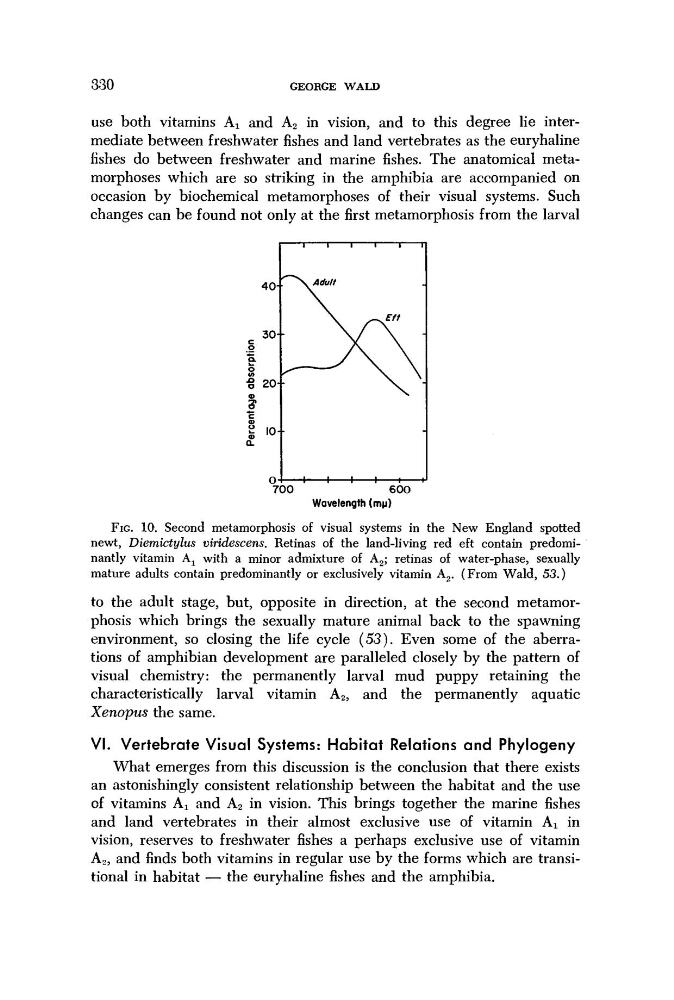
FIG. 10. Second metamorphosis of visual systems in the New England spotted
newt, Diemictylus viridescens. Retinas of the land-living red eft contain predominantly vitamin A x with a minor admixture of A 2 ; retinas of water-phase, sexually
mature adults contain predominantly or exclusively vitamin A 2 . (From Wald, 53.)
to the adult stage, but, opposite in direction, at the second metamorphosis which brings the sexually mature animal back to the spawning
environment, so closing the life cycle (53). Even some of the aberrations of amphibian development are paralleled closely by the pattern of
visual chemistry: the permanently larval mud puppy retaining the
characteristically larval vitamin A 2 , and the permanently aquatic
Xenopus the same.
VI. Vertebrate Visual Systems: Habitat Relations and Phytogeny
What emerges from this discussion is the conclusion that there exists
an astonishingly consistent relationship between the habitat and the use
of vitamins A 1 and A 2 in vision. This brings together the marine fishes
and land vertebrates in their almost exclusive use of vitamin Ai in
vision, reserves to freshwater fishes a perhaps exclusive use of vitamin
A 2 , and finds both vitamins in regular use by the forms which are transitional in habitat — the euryhaline fishes and the amphibia.
T
1
I
I
I
Γ
■I
1
1
1
1
ϊ
GEORGE WALD
use both Vitamins Αχ and A 2 in vision, and to this degree lie intermediate between freshwater fishes and land vertebrates as the euryhaline
fishes do between freshwater and marine fishes. The anatomical metamorphoses which are so striking in the amphibia are accompanied on
occasion by biochemical metamorphoses of their visual systems. Such
changes can be found not only at the first metamorphosis from the larval
40700
600
Wavelength (mp)
FIG. 10. Second metamorphosis of visual systems in the New England spotted
newt, Diemictylus viridescens. Retinas of the land-living red eft contain predominantly vitamin A x with a minor admixture of A 2 ; retinas of water-phase, sexually
mature adults contain predominantly or exclusively vitamin A 2 . (From Wald, 53.)
to the adult stage, but, opposite in direction, at the second metamorphosis which brings the sexually mature animal back to the spawning
environment, so closing the life cycle (53). Even some of the aberrations of amphibian development are paralleled closely by the pattern of
visual chemistry: the permanently larval mud puppy retaining the
characteristically larval vitamin A 2 , and the permanently aquatic
Xenopus the same.
VI. Vertebrate Visual Systems: Habitat Relations and Phytogeny
What emerges from this discussion is the conclusion that there exists
an astonishingly consistent relationship between the habitat and the use
of vitamins A 1 and A 2 in vision. This brings together the marine fishes
and land vertebrates in their almost exclusive use of vitamin Ai in
vision, reserves to freshwater fishes a perhaps exclusive use of vitamin
A 2 , and finds both vitamins in regular use by the forms which are transitional in habitat — the euryhaline fishes and the amphibia.
T
1
I
I
I
Γ
■I
1
1
1
1
ϊ